Golf carts are often seen as vehicles strictly for the golf course. However, many wonder, "can golf carts be used off road?" The answer is yes, but caution is essential. Off-road driving presents unique challenges. These vehicles may not be designed for rugged terrains or uneven surfaces. It’s crucial to understand the risks involved.
When using golf carts off-road, safety should be your top priority. Attaching safety gear, such as seatbelts and roll bars, can enhance protection. Additionally, familiarize yourself with your cart's capabilities and limitations. Knowing how to navigate through rough paths can prevent accidents.
Many users overlook the importance of terrain evaluation. Different surfaces, like mud or gravel, affect how your cart performs. Investing time in learning about your golf cart’s features can enhance your experience. Remember, the thrill of off-road adventures comes with responsibility. Always drive within your comfort zone and prioritize safety.
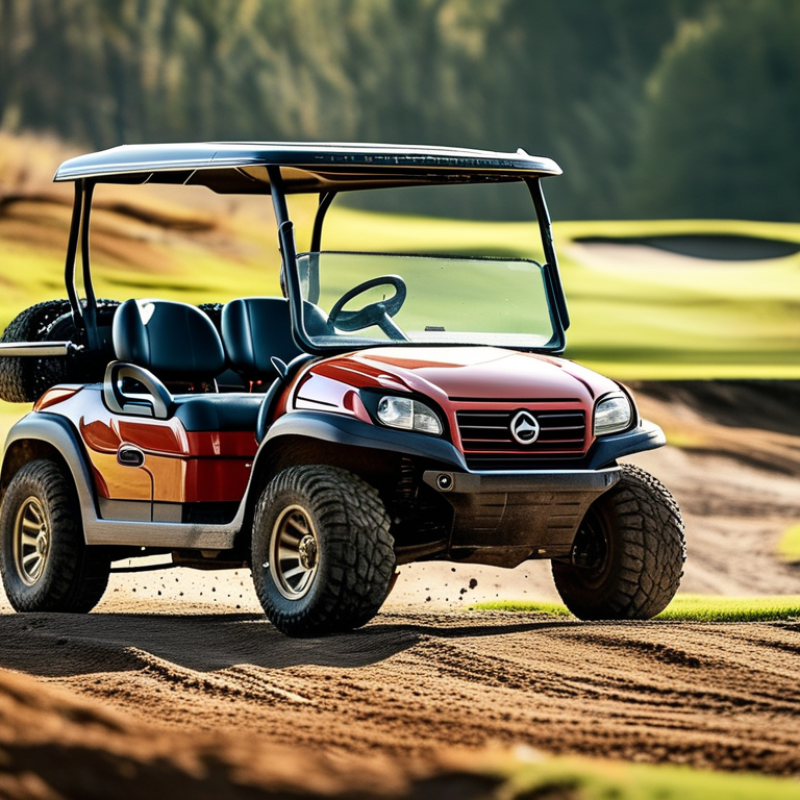
Evaluating off-road conditions is crucial for the safe operation of golf carts. Terrain types can vary drastically, impacting the performance and stability of these vehicles. According to a report from the Outdoor Industry Association, nearly 40% of outdoor enthusiasts engage in off-road activities. This suggests that many are utilizing golf carts in environments that may not be suitable without proper assessment.
Before venturing into off-road areas, consider the surface you will traverse. Soft sand or loose gravel can destabilize a golf cart easily. In fact, data from the National Safety Council shows that approximately 25% of golf cart accidents occur in uneven terrain. Evaluating the incline and obstacles like rocks or tree roots is vital. Even seemingly minor bumps can lead to tipping if the cart is not designed for rough environments.
Many users underestimate the importance of weather conditions. Wet or muddy terrain can transform a simple path into a challenging course. A study from the Environmental Protection Agency indicates that wet conditions can lead to 50% more vehicle accidents overall. Thus, golfers should assess the weather forecast and local reports before heading off-road. Their choices can significantly affect safety and enjoyment. Understanding these details, while imperfect, allows for better decision-making on the golf course.
When venturing off-road in a golf cart, proper safety gear is paramount. Wearing a helmet is essential. It protects the head from unexpected bumps and falls. Look for a lightweight, comfortable helmet designed for off-road activities. Consider adding goggles too. They shield your eyes from dust, debris, and branches that can come flying your way.
Footwear matters significantly on varied terrain. Sturdy, closed-toed shoes provide grip and support. Avoid flip-flops or sandals that can slip off easily. Long pants are a smart choice to protect your legs from scratches. Additionally, wear long sleeves to safeguard against sun exposure and potential injuries from low-hanging branches. In colder weather, layering is key. Insulated jackets and gloves will keep you warm.
Reflecting on safety, it's easy to overlook the importance of gear. Some may think, "I'll be fine without it." This mindset can lead to serious injuries. Each outing should remind us that safety is not negotiable. Planning your outfit ahead ensures you're prepared for the surprises of off-road terrain. Proper gear helps everyone enjoy a safe and thrilling ride.
Before taking your golf cart off-road, conducting essential maintenance checks is crucial. According to a report from the National Golf Cart Association, improper maintenance leads to 30% of off-road accidents. Start by checking the tire pressure, ensuring they are adequately inflated for rough terrain. Under-inflated tires can lead to blowouts, compromising safety.
Battery health is another key area. Many carts use six-volt batteries that should be maintained and kept clean. A study from the Electric Vehicle Association reveals that poor battery maintenance can reduce performance by 50%. Inspect battery terminals for corrosion, and replace old batteries to improve range and reliability.
Lastly, brake performance is vital when navigating trails. The American Off-Road Safety Association states that faulty brakes are a major cause of off-road incidents. Always test your brakes before heading out. These routine checks can enhance your safety and ensure a smoother ride. Remember, the effort you put into routine maintenance can make all the difference in a safe, enjoyable experience.
| Tip No. | Tip Description | Key Check Before Use |
|---|---|---|
| 1 | Check Tire Pressure | Ensure all tires are inflated to recommended PSI. |
| 2 | Inspect the Battery | Check for corrosion and ensure the battery is fully charged. |
| 3 | Test Brakes | Ensure brakes are responsive and well-functioning. |
| 4 | Check Lights and Horn | Verify that all lights and horn are operational. |
| 5 | Inspect Seatbelts | Ensure all seatbelts are secure and functioning. |
| 6 | Check for Loose Parts | Look for any loose bolts or components. |
| 7 | Avoid Steep Hills | Be cautious of inclines that may be too steep. |
| 8 | Stay on Designated Trails | Only use golf carts on approved paths. |
| 9 | Watch for Obstacles | Be alert for rocks, roots, and other hazards. |
| 10 | Keep a Safe Distance | Maintain appropriate space from other vehicles. |
When driving a golf cart off-road, adjusting to different surfaces is crucial. Soft, sandy trails can engulf your tires, making it hard to steer. To navigate effectively, maintain a steady speed, and avoid quick turns. Using low tire pressure can increase traction, yet be cautious. If the tire pressure is too low, it may lead to a blowout.
On rocky terrains, focus on your braking technique. Sharp declines can send your cart rolling uncontrollably. Utilize engine braking when going downhill. This can prevent damaging the brakes. Keep your weight balanced, leaning into turns can help maintain traction. Be aware of loose rocks that may cause the cart to tip over.
Muddy surfaces require extra caution. Use gentle acceleration to avoid spinning out. Slow and steady wins the race in these conditions. If you find yourself stuck, avoid excessive revving—the wheels may dig deeper. Sometimes, you need to reevaluate your approach and consider other paths. Understanding these techniques can significantly enhance safety and enjoyment on your off-road adventures.
When considering the use of golf carts for off-road adventures, understanding local regulations is crucial. Many regions have specific laws regarding where and how these carts can be used. For example, some state parks may permit golf carts on designated trails but prohibit them on main roads. Failing to adhere to these regulations can lead to fines or even impoundment of the vehicle. In 2021, reports indicated that over 30% of off-road golf cart users faced legal issues due to non-compliance with local laws.
Awareness of legal requirements extends to safety features as well. Many jurisdictions mandate the use of seat belts and reflectors on off-road carts. A survey by the National Off-Road Vehicle Safety Association revealed that only 45% of golf cart users are aware of these necessitated features in their area. Not using these can increase the likelihood of accidents and injuries, reflecting poorly on overall safety awareness.
Failing to review local regulations may result in troubles beyond fines. It risks endangering the user and others on shared trails. For instance, an accident might lead to liability claims that can be financially devastating. As off-road golf cart use grows, so too must our understanding of the laws governing it. Being educated and compliant not only enhances safety but also fosters a responsible recreational environment.
: Check the surface type and potential obstacles. Bumps can cause tipping if you're not cautious.
Wet or muddy terrain can significantly increase accident risks. Be aware of the forecast before you go.
Maintenance checks can prevent accidents. Improper upkeep contributes to many off-road incidents.
Ensure your tires are properly inflated. Under-inflated tires can lead to blowouts on rough terrain.
Poor battery maintenance can reduce efficiency by half. Check terminals for corrosion and replace old batteries.
Maintain a steady speed and avoid sharp turns. Low tire pressure may help, but be cautious to avoid blowouts.
Use engine braking when going downhill. This technique prevents brake damage and helps maintain control.
Avoid excessive revving, which can dig you deeper. Consider alternative routes and accelerate gently.
In exploring the question "can golf carts be used off road," it is essential to consider several key factors to ensure a safe and enjoyable experience. First, understanding the terrain is crucial; evaluating the specific conditions where you intend to drive informs whether a golf cart is suitable. Equipping yourself with essential safety gear, such as helmets and protective clothing, enhances your safety while navigating various surfaces.
Moreover, proper maintenance of your golf cart is vital before heading out on the trails, including checking tires and battery levels. Familiarizing yourself with driving techniques tailored to different off-road conditions can significantly improve handling and performance. Finally, it’s important to be aware of local regulations regarding the use of golf carts in off-road environments to ensure compliance and safety. By following these guidelines, you can confidently explore off-road areas while using a golf cart.

Sarr Golf