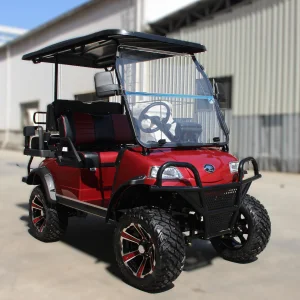
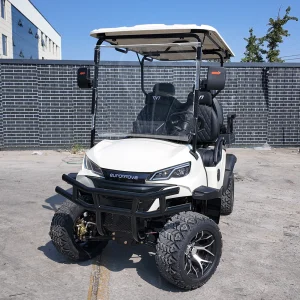
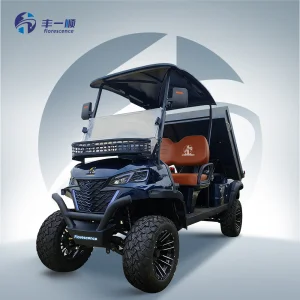
Engineered for high performance, long-range autonomy, and robust all-weather operation across public and private campuses.
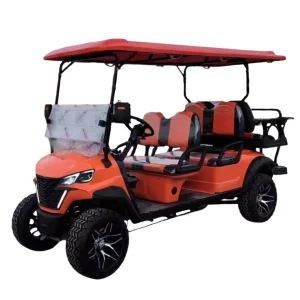
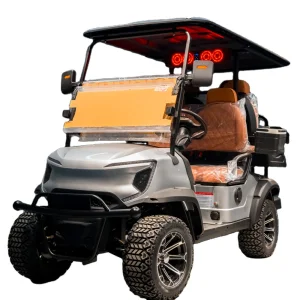
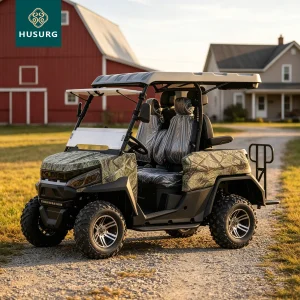
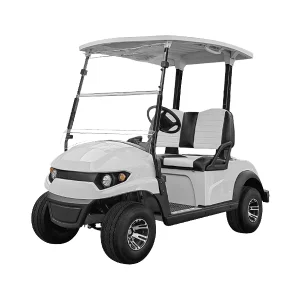
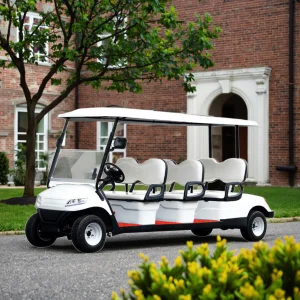
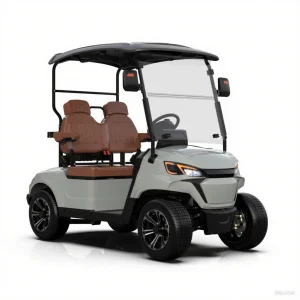
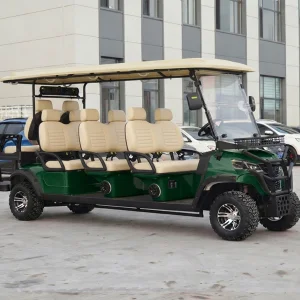
Resolving complex transit dynamics within educational, commercial, healthcare, and hospitality ecosystems.
Modern administrative campuses—ranging from historic academic institutions to sprawling corporate headquarters and high-density medical centers—face critical challenges in transport logistics. Traditional internal combustion engine (ICE) vehicles are increasingly barred from interior paths due to noise pollution, emission regulations, and pedestrian safety requirements. Consequently, the transition to purpose-built electric low-speed vehicles (LSVs) and campus golf carts is accelerating globally.
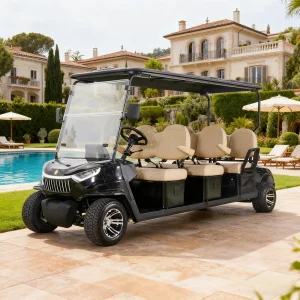
Educational institutions are utilizing structured electric micro-mobility corridors to link remote research centers, student housing complexes, and central facilities. By deploying high-capacity passenger options, such as 6-seater and 8-seater electric utility shuttles, administrators can reduce peak-hour transit delays while maintaining zero-emission operational targets. The adoption of robust steel chassis structures ensures longevity despite high usage cycles and varying climate conditions.
"The integration of purpose-built micro-mobility fleets is not simply about replacing old vehicles; it is about restructuring the flow of humans, emergency units, and maintenance supply chains across pedestrian-dense environments safely and sustainably."
Equipped with specialized layouts including integrated folding stretchers, first-aid secure zones, and all-terrain suspension networks designed to administer life-saving support rapidly on pedestrian pathways.
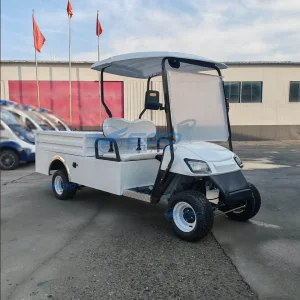
Integrated cargo boxes and modular utility layouts allowing operations teams, postal units, and facilities departments to transport loads up to 600kg without disrupting pedestrian safety.
Low-noise, smooth-suspension transport solutions optimized for prospective student tours, corporate investor visits, luxury hotel shuttles, and large resort transport routes.
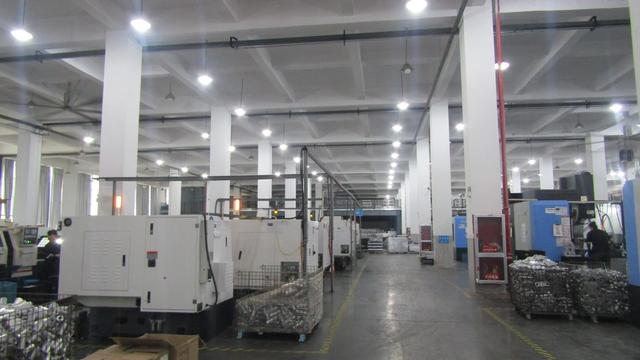
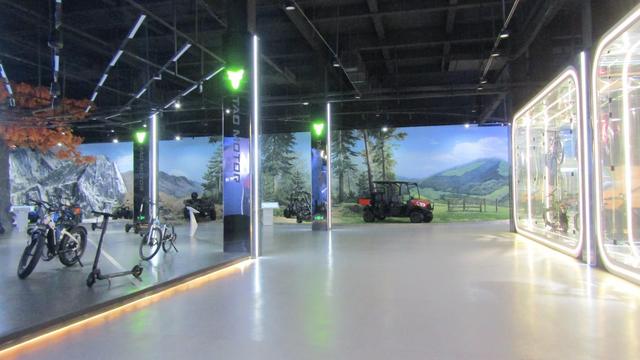
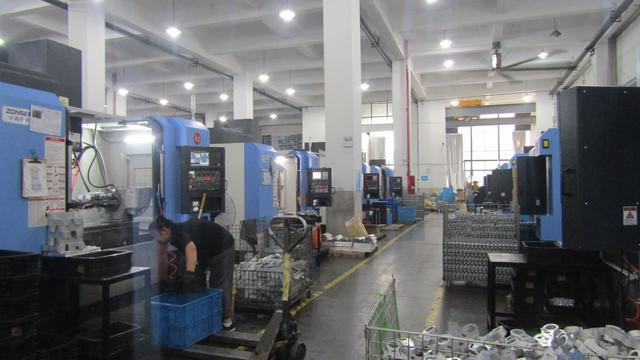
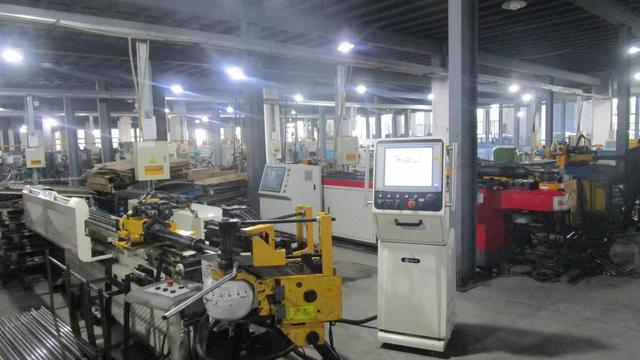
A technical overview of Hangzhou Sarr Golf Co., Ltd.'s state-of-the-art production infrastructure.
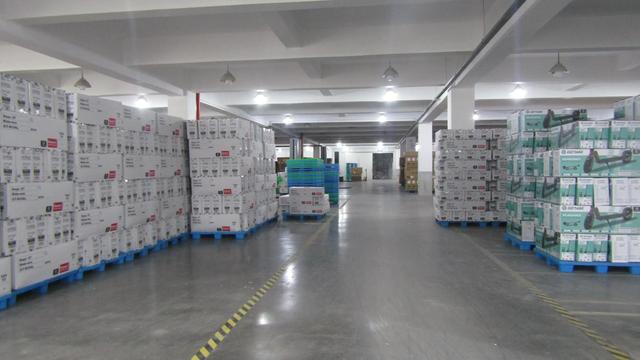
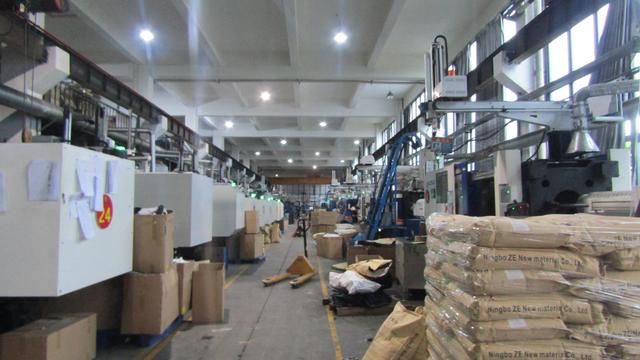
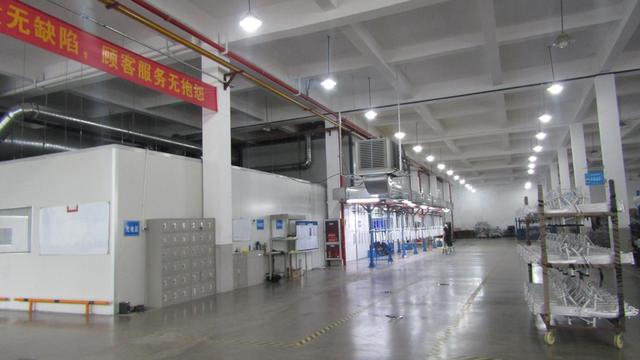
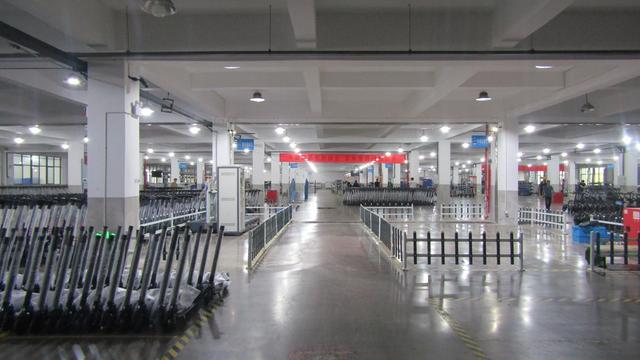
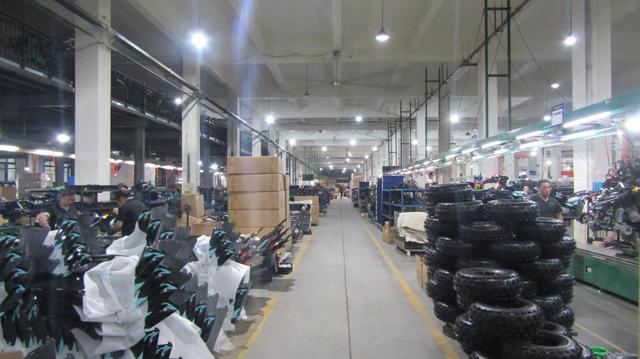
Located in the core industrial hub of Hangzhou, China, Hangzhou Sarr Golf Co., Ltd. represents the frontier of advanced manufacturing in electric low-speed vehicles. Established in 2012, the manufacturing facility spans over 18,000 square meters and is structured around Industry 4.0 protocols to deliver maximum production efficiency, consistent weld-integrity, and automated chassis treatment.
The manufacturing facility integrates modern assembly lines with dedicated quality assurance departments. With over 180 skilled professionals—including mechanical engineers, automotive electrical designers, battery safety specialists, and precision QA technicians—Sarr Golf maintains complete control over the fabrication process. Key components, from heavy-duty high-yield structural steel chassis frames to programmable AC motor controllers, undergo strenuous validation before release.
Every single chassis undergoes automated anti-corrosion chemical bathing (electrophoretic deposition coating), ensuring the vehicles can resist corrosion from salt air in coastal resorts or humidity on tropical properties. Specialized testing fields simulate harsh operating conditions including 30-degree inclines, rough washboard pavement, water-immersion electrical isolation trials, and brake response metrics at maximum payload.
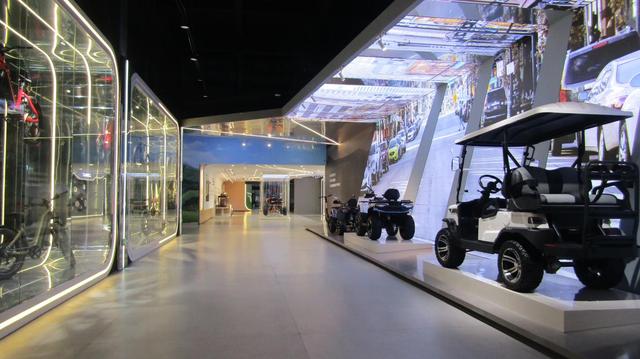
The progression towards smart battery integration, predictive fleet telematics, and autonomous readiness.
The shift from traditional lead-acid battery packs to advanced Lithium-Iron Phosphate (LiFePO4) chemistry represents a key milestone in our technology roadmap. LiFePO4 chemistry provides safety, stability, and longevity, retaining over 80% capacity after 3,500 full charge cycles. It eliminates the frequent water-filling maintenance protocols associated with lead-acid batteries, resulting in lower operational overhead for institutional fleets.
| Feature / Metric | Legacy Lead-Acid Systems | Advanced LiFePO4 Systems | Next-Gen Smart Integration |
|---|---|---|---|
| Expected Lifespan | 500 - 800 cycles | 3,000 - 4,000 cycles | 4,500+ cycles (with thermal management) |
| Maintenance Requirements | High (Water top-ups, terminal cleaning) | Zero Maintenance | Zero Maintenance + Predictive Telemetry |
| Charging Duration | 8 - 10 hours | 3 - 5 hours | 1.5 - 2.5 hours (Rapid Charging Support) |
| Fleet Data Integration | None | Basic SOC readings via display | Full cloud telemetry, GPS tracking, Geofencing |
Analyzing key criteria for public, private, and governmental institutional buyers.
Procuring vehicle fleets for municipal departments, large university systems, or global resort brands requires aligning production parameters with regional standards. Industrial buyers prioritize three primary variables: Total Cost of Ownership (TCO), regulatory compliance, and custom configuration versatility.
By offering customizable options (OEM/ODM), Hangzhou Sarr Golf Co., Ltd. enables procurement divisions to design fleets suited to specific deployment needs. Whether configuring utility cargo boxes for facility maintenance or equipping vehicles with weather protection enclosures for winter operation, the modular nature of modern production lines ensures rapid adaptability.
From company branding and paint finishes to custom gearing ratios for hilly terrain, tailoring vehicles directly to procurement specs ensures seamless site integration.
Maintaining high inventory levels of modular steering assemblies, transaxles, BMS modules, and suspension packages ensures minimal downtime when servicing fleets.
Proper battery packaging certification, sea-freight container optimizations, and customs documentation streamline delivery across major ports globally.
Aligning manufacturing standards with international road safety, low-speed vehicle regulations, and localized support networks.
Operating utility vehicles and multi-passenger shuttles in areas with public interaction requires compliance with safety standards. Sarr Golf integrates international criteria—such as European Economic Community (EEC) certification and Department of Transportation (DOT) low-speed vehicle (LSV) guidelines—into its manufacturing workflows.
Key safety integrations include:
To support global installations, our distribution network offers technical assistance, diagnostic programs, and replacement parts. This localized support ensures that fleet managers can resolve maintenance requirements promptly.
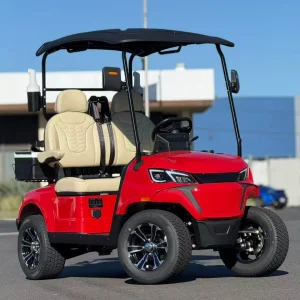
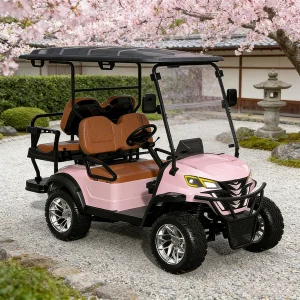
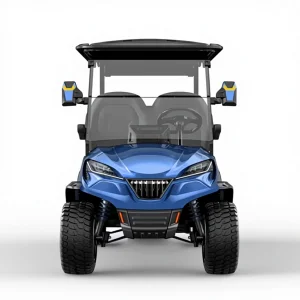
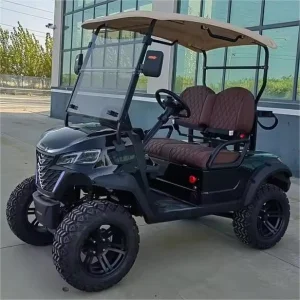
Heavy-duty, high-capacity, and patrol-optimized electric vehicles engineered to support campus operational staff.
Addressing core technical questions from global procurement coordinators, operations engineers, and estate managers.
 Sarr Golf