Golf carts are becoming popular for daily transportation in various communities. Many people wonder, "how safe are golf carts for daily transportation?" According to Dr. Emily Greene, a transportation safety expert, "While golf carts offer convenience, their safety largely depends on the context of use."
Golf carts are lighter and slower than traditional vehicles. This makes them appealing for short trips. However, they lack many safety features found in cars, such as seat belts and airbags. This raises questions about their reliability on busy streets or areas with heavy traffic.
When weighing the safety of golf carts, conditions matter. For instance, well-designed pathways can enhance their safety. Yet, many operators may not consider their limitations. Ultimately, individuals must assess their environment before choosing golf carts as a daily transport option.
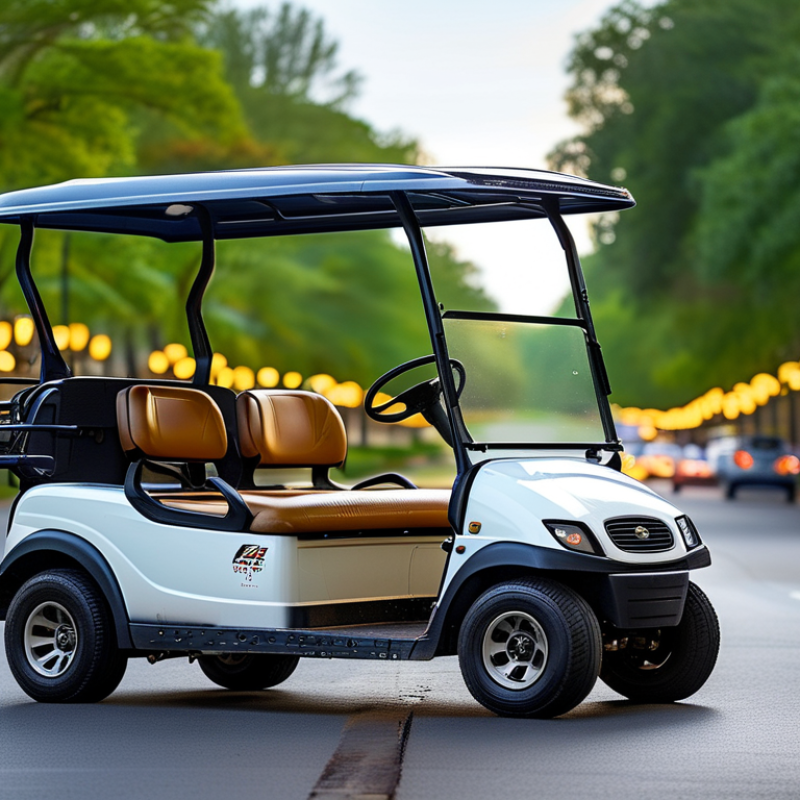
Understanding golf carts as a daily transportation option raises many questions. They may seem convenient, but safety is paramount. Many people use them in communities and golf courses, blending leisure and transport. However, not all areas are designed for golf carts. Users need to consider the terrain and traffic conditions.
When using a golf cart daily, remain aware of your surroundings. Always wear seat belts when available. This simple action can prevent severe injuries during sudden stops. Additionally, avoid overcrowding. Only use the number of seats available. This ensures balance and stability, reducing the chance of accidents.
Consider speed limits in your area. Golf carts often have lower speed capabilities. Respect these limits to ensure safety for yourself and others. Moreover, practice regular maintenance. Check brakes, tires, and lights before each ride. This can prevent unexpected issues. While golf carts offer a unique transportation experience, responsible usage and awareness are vital for safety.
When considering the safety of golf carts for daily transportation, it’s vital to evaluate their modern safety features. Many golf carts now come equipped with seat belts, helping to secure passengers during travel. This addition is a basic yet essential safety measure. However, not all carts are mandated to have them. Some models lack these crucial components, raising concerns about passenger safety.
Another important feature is the braking system. Advanced golf carts might include regenerative brakes, which provide better stopping power. But, outdated models may still operate with traditional brakes, potentially endangering users. The visibility factor is equally critical. Enhanced lighting systems allow for better visibility at night or in low-light conditions. Still, many carts fall short in this area, lacking adequate headlights or taillights.
Speed governors can limit how fast a golf cart can travel, which adds another layer of safety. Yet, some users may manipulate these settings for a faster ride, compromising safety. Evaluating the condition of a cart regularly can prevent issues. Regular maintenance is key, but many overlook this responsibility, putting lives at risk. It's essential to remain aware of these aspects to ensure safe daily transportation.
When considering daily transportation, golf carts often come to mind. Their compact size can be appealing. They operate quietly and are less intimidating compared to traditional vehicles. Many people use golf carts in community parks or gated neighborhoods. However, are they really a viable option for everyday use?
Comparing golf carts with conventional cars reveals some stark contrasts. Golf carts typically operate at lower speeds than regular cars. This can be an advantage in pedestrian-heavy areas but becomes a drawback on busy streets. Additionally, golf carts lack many of the safety features found in traditional vehicles, such as airbags and advanced braking systems. Weather protection is another concern; most golf carts offer limited coverage against rain or sun.
A key factor to consider is visibility. While golf carts are generally smaller, they may be harder for drivers to spot. This can lead to hazardous situations. Moreover, battery life presents a challenge for daily use. Frequent charging may be needed, which can disrupt schedules. Convenience is important, yet the balance between safety and efficiency is crucial. Is a golf cart really the best choice for daily transportation?
When considering the use of golf carts as a daily transportation option, understanding legal regulations is crucial. In many areas, golf carts are classified as low-speed vehicles (LSVs). This means they must comply with specific safety standards set by the National Highway Traffic Safety Administration. For instance, LSVs are required to have features like seat belts, headlights, and turn signals. Yet, adherence to these regulations varies by state, highlighting the need for local stakeholders to remain informed.
Data from the National Safety Council shows that golf cart accidents have increased over the years. In some communities, nearly 15% of golf cart-related incidents result in serious injuries. This raises questions about whether existing regulations adequately protect operators and passengers. Local governments may struggle to enforce safety protocols, leading to inconsistent application that can jeopardize safety.
Furthermore, many users lack awareness of local laws surrounding golf carts. Some users assume golf carts can be driven freely on public roads. However, regulations often restrict their use to particular routes, which poses additional safety concerns. Enhancing public knowledge about these regulations could significantly improve safety outcomes for all users.
When considering golf carts for daily transportation, it’s essential to recognize the potential risks involved. Many users underestimate the importance of safe driving practices. Improper speed and reckless driving can lead to accidents. Always follow the posted speed limit, which is usually lower than that for cars.
Weather can affect safety too. Rainy conditions make surfaces slippery, increasing the chance of sliding or losing control. Visibility can be limited in fog or heavy rain. It’s crucial to drive cautiously and reduce speed in inclement weather. Consider adding proper lighting to your golf cart for better visibility during low-light conditions.
Regular maintenance is key to ensuring safety. Check brakes, tires, and steering components frequently. Neglecting this step can lead to malfunctions that pose serious risks. Familiarize yourself with the cart's safety features; they can provide assistance during unexpected situations. Knowing how to operate the cart correctly helps to minimize risks. Always wear seat belts if available and remind passengers to do the same. Every small precaution contributes to safer rides.
: Modern golf carts often include seat belts, advanced braking systems, and enhanced lighting for safety.
Not all models are required to have seat belts, raising concerns about passenger safety.
Advanced carts may have regenerative brakes, while older ones often have traditional brakes, which can be less safe.
Many golf carts lack adequate headlights or taillights, which limits visibility during the night or in low light.
Golf carts can be compact and quiet, but they often lack the safety features of conventional vehicles, limiting their suitability.
Rain or fog can make surfaces slippery or reduce visibility, increasing the risk of accidents.
Regular checks of brakes, tires, and steering are vital to prevent malfunctions that could pose serious risks.
Understanding safety features, adhering to speed limits, and wearing seat belts can vastly improve safety.
Manipulating speed governors for a faster ride can compromise safety dramatically.
Frequent recharging may disrupt daily schedules, making them less convenient for regular transportation.
Golf carts have emerged as a practical option for daily transportation, especially in communities where conventional vehicles may not be as efficient. To answer the question of how safe are golf carts for daily transportation, it's crucial to understand their safety features, which have improved significantly in modern models. These vehicles often include seat belts, safety lights, and better braking systems, making them a viable choice for short-distance travel.
However, a comparison between golf carts and traditional vehicles reveals differences in speed and visibility, which can impact safety on public roads. Additionally, legal regulations surrounding golf cart operation can vary, necessitating awareness of local laws. Finally, identifying common risks associated with golf cart use, such as collisions or rollover incidents, and implementing prevention measures can enhance safety further. In conclusion, with proper understanding and precautions, golf carts can indeed be a safe alternative for everyday transport.

Sarr Golf