What is a golf cart used for? The answer extends well beyond fairways and weekend rounds. Modern golf carts can support short-distance transportation at resorts, campuses, farms, retirement communities, event venues, and large private properties. They move people, tools, groceries, and light equipment without demanding a full-size vehicle. Their quiet electric motors also suit early-morning maintenance and crowded pedestrian areas.
Golf-cart safety consultant David R. Sargent explains, “A golf cart is useful when its speed, load, and route match its design.” That simple rule deserves attention. A cart carrying landscaping tools may need stronger suspension and a secure cargo bed. A resort shuttle needs comfortable seating, working lights, reliable brakes, and clear passenger capacity. On a sloped driveway, tire condition matters more than appearance.
Small details change the experience. A property manager may use a cart to inspect fences before sunrise. A campground worker may carry linens between cabins. A homeowner may transport firewood across a large yard. These uses seem ordinary, but careless loading can reduce steering control. Weather can affect braking and battery performance too.
This guide explores seven practical golf-cart uses and explains how to choose the right setup for each one. It also considers limits that are easy to overlook. A golf cart is not a replacement for every vehicle. Sometimes, it is simply the wrong tool. That honest distinction can prevent damage, wasted money, and avoidable accidents.
What Is a Golf Cart and How Does It Work?
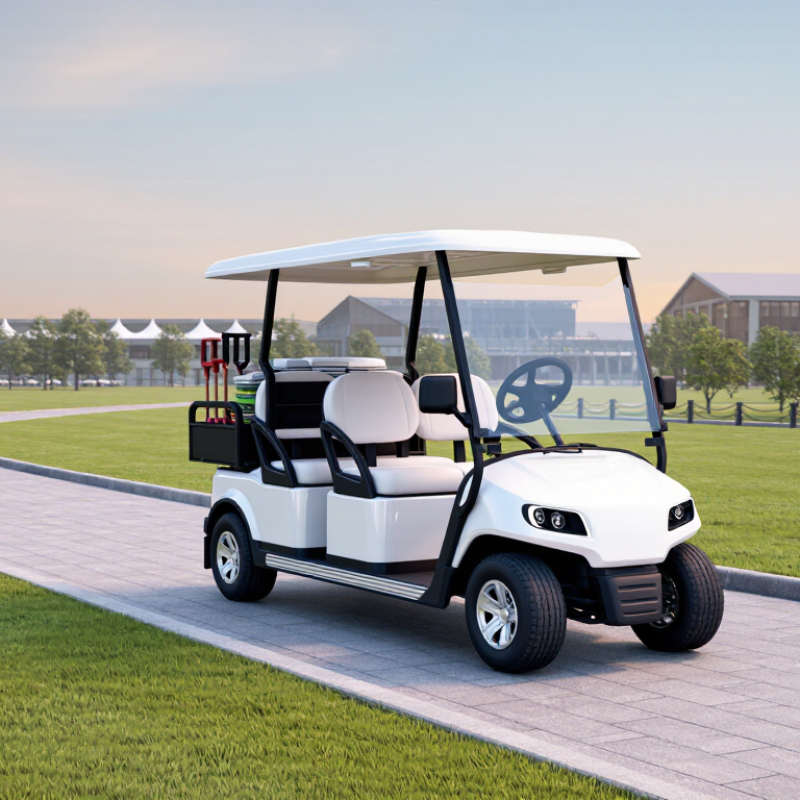
A golf cart is a compact vehicle designed to carry people and equipment across short distances. It usually has two or four seats, a small cargo area, and simple steering controls. Most modern carts use a battery pack, motor controller, electric motor, gearbox, and differential. The controller changes battery power into controlled wheel movement. Pressing the accelerator sends more current to the motor. Releasing it reduces speed. Some models also use regenerative braking, but not every cart does.
According to the National Golf Foundation, golfers played about 531 million rounds in the United States during 2023. That demand explains why reliable course transport remains important. However, golf carts now serve more than fairways. They move staff around campuses, support outdoor events, and help workers carry tools across large properties. The U.S. Department of Energy describes low-speed vehicles as vehicles generally limited to 25 mph, but a standard golf cart may operate much more slowly. Its speed depends on design, load, terrain, and maintenance.
Tips: Check tire pressure before use. Keep battery terminals clean and dry. Do not overload the rear platform. A heavy load changes braking distance. Electric carts need regular charging, yet constant charging can shorten battery life. This point is easy to overlook. Gas-powered carts work differently, using a small combustion engine, fuel system, transmission, and exhaust system. Choosing between systems requires honest attention to noise, range, terrain, and operating costs. Even experienced users can underestimate steep slopes.
Golf carts are compact, low-speed vehicles commonly used for short-distance transportation. Their applications include golf courses, resorts, residential communities, campuses, farms, warehouses, and event venues. The chart shows typical operating speeds in these settings; actual speeds depend on the vehicle, terrain, load, safety rules, and local regulations.
Seven Common Uses of Golf Carts in Everyday Life
7 Golf Cart Uses Tips What Is a Golf Cart Used For?
Seven Common Uses of Golf Carts in Everyday Life
Golf carts serve more than golf courses. The National Golf Foundation reported 28.1 million on-course golfers in the United States during 2023. That activity supports daily transport for players, staff, and maintenance crews. A cart can carry clubs, tools, refreshments, and small loads across large properties. It also helps workers inspect paths, repair irrigation, and collect waste. Quiet and practical.
Outside courses, communities use carts for neighborhood travel, campus transportation, resort services, farm work, event logistics, and facility maintenance. On campuses, carts move documents, equipment, and mobility-limited visitors between buildings. Resorts use them for luggage delivery and guest assistance. Farms may use utility carts for feeding, inspection, and short-distance harvesting tasks. Event teams rely on them to move supplies before crowds arrive.
The U.S. Department of Energy’s Alternative Fuels Data Center identifies low-speed electric vehicles as practical for short trips and controlled environments. That makes carts useful around gated communities, warehouses, hospitals, and large venues. However, a cart is not a universal car replacement. Weather, battery range, road access, passenger limits, and charging time still matter. Planning can be messy. Operators should check local rules, use seat belts, and train drivers carefully. A small cart can prevent a long walk, but poor routing may create delays instead.
How to Choose a Golf Cart for Different Uses
How to Choose a Golf Cart for Different Uses
A golf cart should match the job, not only the number of seats. The National Golf Foundation reported about 531 million golf rounds in the United States during 2023.
For course use, choose a compact cart with a quiet motor, responsive braking, and enough battery range for a full day. Check the turning radius near narrow paths. Small details matter.
For residential transport, prioritize weather protection, comfortable seating, lights, mirrors, and dependable suspension. A four-seat model suits short trips between large properties.
For farms, resorts, campuses, or warehouse areas, select stronger torque, larger tires, and a rear cargo platform. Grand View Research identified utility and commercial applications as important growth areas in its global golf cart market analysis. That finding reflects wider demand beyond traditional golf.
Battery choice also depends on charging access and daily distance.
Lithium batteries can reduce weight and charging time, while lead-acid systems may offer a lower initial cost. Measure your route first. Guessing range is a common mistake.
A loaded cart uses more energy on slopes, grass, and rough ground. Inspect the charger, tires, steering joints, and battery condition before purchase.
I would also test the cart with its expected passengers and cargo. An empty test drive can feel misleading.
Local operating rules may differ, so verify permitted routes and equipment requirements before regular use.
Essential Golf Cart Safety and Maintenance Tips
Golf carts are used for short trips in communities, campuses, resorts, farms, and private properties. Their low speed and compact size make them practical, but they still require careful handling. Safety starts before the vehicle moves.
Before moving, check the brakes, steering, tires, lights, horn, and battery level. Confirm that every passenger has a proper seat. Never exceed the stated passenger or weight limit. Keep hands, feet, and loose clothing inside the cart. Drive slowly near people, corners, gates, and uneven ground. Avoid steep slopes, flooded paths, and wet grass when possible. A seat belt should be used whenever the cart has one. Follow local traffic rules and property restrictions.
Maintenance prevents small problems from becoming dangerous failures. Check tire pressure according to the service manual, because incorrect pressure affects control. Inspect tires for cracks, uneven wear, or embedded stones. Keep battery terminals clean and dry. For lead-acid batteries, check fluid levels only as the manual directs. Do not guess. Charge the battery in a suitable, ventilated area with the correct equipment. Examine cables for heat damage or fraying, and ask a qualified technician to repair electrical faults.
I once trusted a brake pedal without testing it first. That was careless. Now I use a short inspection routine before every busy-day trip. Record unusual noises, weak braking, or steering changes immediately. Small warnings deserve attention.
Legal, Environmental, and Practical Considerations for Golf Cart Use
Golf Cart Uses: Legal, Environmental, and Practical Considerations
A golf cart can serve more than a fairway. It can move tools around farms, carry supplies at resorts, and connect homes with nearby facilities. However, public-road use depends on local rules. In the United States, federal standards define a low-speed vehicle as traveling between 20 and 25 mph. A standard golf cart may not meet those requirements. Registration, lighting, insurance, and approved routes can also vary by location. Check municipal regulations before driving beyond private property.
Electric carts produce no tailpipe emissions, but they are not automatically carbon-free. The International Energy Agency reported global power-sector emissions of roughly 480 grams of CO2 per kilowatt-hour in 2023. Charging impacts therefore depend on the local electricity mix. Battery condition matters too. Poor maintenance can shorten battery life and increase replacement waste. The U.S. Consumer Product Safety Commission has estimated about 15,000 golf-cart-related emergency injuries annually. Falls, rollovers, and collisions remain practical concerns.
Tips: Keep both hands inside the cart. Slow down on wet grass and sharp turns. Use seat belts when fitted. Charge batteries in a ventilated, dry area, and inspect cables for heat damage. Plan routes around pedestrians, steep slopes, and traffic. A cart feels harmless, but that assumption can fail quickly. Also, energy savings may disappoint when charging occurs during carbon-intensive grid periods.
FAQS
They transport people, tools, luggage, documents, supplies, and small loads. Common settings include campuses, resorts, farms, communities, warehouses, and large venues.
Utility carts can carry feed, inspect fields, move tools, and support short-distance harvesting. Larger tires help on grass and uneven ground.
Usually, no. They suit short trips and controlled areas, but range, weather, road access, and passenger limits can restrict them.
Match the cart to the task. Check seating, battery range, turning radius, braking, cargo space, tires, suspension, and expected terrain.
Weather protection, comfortable seats, lights, mirrors, and reliable suspension matter. A four-seat cart may suit short trips between nearby properties.
Check charging access, daily distance, battery condition, and replacement costs. Lithium batteries may charge faster, while lead-acid systems can cost less initially.
Rules vary by location. Some routes may require registration, lighting, insurance, or approved vehicle standards. Verify local requirements before leaving private property.
Wear seat belts when provided, slow down on wet grass, and reduce speed near sharp turns. Keep both hands inside. Avoid steep slopes and crowded paths.
No. They produce no tailpipe emissions, but charging depends on the local electricity mix. Poor battery maintenance can also increase replacement waste.
Guessing the driving range can cause delays. A loaded cart uses more energy on slopes, rough ground, and grass. An empty test drive may mislead.
Conclusion
A golf cart is a small, low-speed vehicle designed to carry people and light equipment over short distances. It typically uses an electric motor or a compact fuel engine, with simple controls, a battery or fuel system, brakes, steering, and a charging or refueling process. What is a golf cart used for? Beyond transporting players and equipment on golf courses, golf carts can support movement in neighborhoods, resorts, campuses, farms, parks, event venues, and large private properties. They may also help with light utility tasks, passenger transport, and routine property management.
Choosing the right cart depends on seating capacity, terrain, travel distance, load requirements, power source, storage, and weather protection. Safe operation requires seat belts when available, controlled speeds, careful turning, regular brake and tire checks, battery or engine maintenance, and proper charging practices. Users should also consider local rules, designated travel areas, environmental impact, accessibility, and practical operating costs before using a golf cart.

 Sarr Golf