In our fast-paced world, the concept of transportation is evolving. Many wonder, "can a golf cart replace a small vehicle?" This question leads to intriguing possibilities. Golf carts are often viewed as recreational vehicles. However, they can serve functional purposes beyond the golf course. They are compact, easy to maneuver, and require less maintenance than traditional vehicles.
Imagine navigating a bustling community in a golf cart. It can provide a unique driving experience. Designed for efficiency, these carts consume less energy. For short trips, they can be more convenient. However, the question still lingers: are they suitable for everyday use? While they have benefits, potential drawbacks exist. Limited speed and range may pose challenges. Safety features might not compare to standard vehicles.
The increasing popularity of golf carts sparks curiosity. They offer an eco-friendly alternative. Yet, one must ponder their practicality in various scenarios. Can a golf cart really replace a small vehicle for daily needs? Exploring this question uncovers both advantages and limitations. The answer may depend on individual lifestyles.
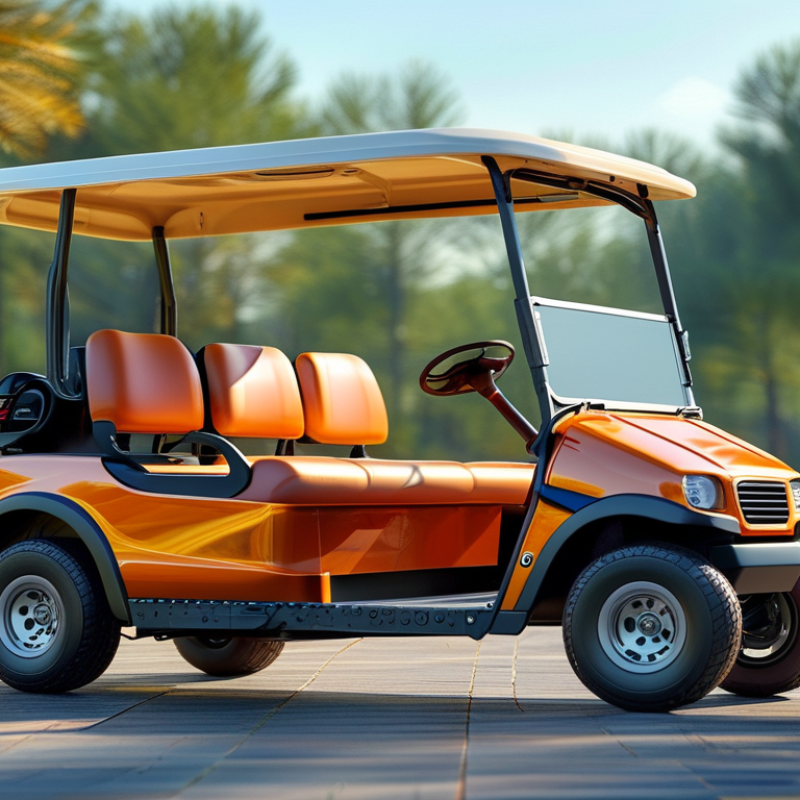
Cost-Effectiveness: Golf Carts vs. Small Vehicles
When considering cost-effectiveness, golf carts present appealing advantages over small vehicles.
Golf carts often have lower initial purchase prices. Additionally, they cost less to maintain and operate.
Fuel economy is notable, as many models use electricity instead of gasoline.
The reduced cost of ownership is a significant drawing point for those who need reliable transportation without high expenses.
In many communities, golf carts can substitute for cars, particularly in areas with mild climates.
Short trips become economical and efficient. Insurance costs for golf carts are generally lower than for small vehicles.
However, it's essential to assess local laws regarding their use on public roads.
Some areas have strict regulations, which may limit accessibility.
People should also consider their own lifestyle needs; not every situation is suitable for a golf cart.
Although the savings are evident, potential buyers should reflect on their daily requirements.
If your commute involves longer distances or highways, a small vehicle might be more appropriate.
Balancing cost with practicality will ensure the best choice for your needs.
Environmental Impact: Lower Emissions of Golf Carts
Golf carts have emerged as a viable alternative to small vehicles, particularly due to their lower environmental impact. Research indicates that golf carts emit significantly fewer greenhouse gases compared to traditional cars. A standard golf cart produces around 2.5 grams of CO2 per mile, while gasoline-powered vehicles can emit over 404 grams. This stark difference can lead to considerable reductions in urban air pollution.
Moreover, golf carts often utilize electric batteries, which can further enhance their eco-friendliness. According to the U.S. Environmental Protection Agency (EPA), battery electric vehicles can operate with zero tailpipe emissions. While the energy source for electricity generation may vary, the overall footprint of an electric golf cart remains considerably lower. Additionally, because these carts can be charged from renewable sources like solar panels, their potential for sustainable operation is significant.
However, the adoption of golf carts is not without challenges. Limited speed and range may hinder their acceptance for longer trips. Safety on public roads is also a concern, as golf carts lack many modern safety features common in small cars. As cities evolve, addressing these challenges will be key. The balance of enjoying lower emissions while ensuring safety and convenience needs careful consideration.
Convenience: Maneuverability in Tight Spaces
Golf carts have gained popularity as a convenient alternative to traditional vehicles, especially when it comes to maneuverability in tight spaces. According to data from the Specialty Vehicles Institute, a significant portion of urban environments is becoming increasingly congested. Golf carts can navigate through narrow streets and tight parking situations, which is often impossible for larger vehicles. With a width of just 4 feet, golf carts fit easily into small parking spots, reducing the time spent searching for parking.
In community settings, such as golf courses or retirement villages, golf carts offer a practical solution for residents. Research indicates that over 80% of residents in these areas favor using golf carts over cars for short trips. Their electric motors and lower emissions contribute to a quieter and more pleasant environment. Additionally, the ability to travel at lower speeds allows for safer interactions with pedestrians. While some may worry about the limited speed or range, these issues can often be mitigated through proper planning and regular maintenance.
However, not every scenario favors the use of golf carts. In certain high-traffic areas, their lower speed limits might contribute to congestion. Also, variable weather conditions can limit their usability. Golf carts may not provide the same comfort or protection as enclosed vehicles during inclement weather. It’s essential for users to weigh these factors while appreciating the benefits that golf carts can bring to their daily routines.
10 Reasons Why a Golf Cart Can Replace a Small Vehicle
Maintenance and Upkeep: Simplicity of Golf Carts
Golf carts offer a unique alternative to small vehicles, especially when it comes to maintenance and upkeep. One of the standout features of golf carts is their simplicity. These vehicles typically require less intensive maintenance. Their engines are often electric or simpler gas models, both of which demand less frequent servicing. Owners can handle minor repairs without needing specialized mechanical skills.
Moreover, golf carts have fewer moving parts compared to traditional cars. This often translates to reduced wear and tear over time. For instance, changing batteries in electric models can be straightforward. Most owners can do this themselves, saving on labor costs. Tire replacements and basic brake adjustments can also be managed without needing a shop visit.
However, it's worth noting that neglecting regular upkeep can lead to issues. Some owners find themselves overwhelmed by maintaining batteries or ensuring proper tire pressure. A lack of consistent care might result in a decline in performance. While golf carts are reliable, they still require attention and responsibility from their users. Balancing care with enjoyment is essential for a smooth ride.
Safety Features: Comparing Golf Carts and Traditional Vehicles
When considering safety features, golf carts often offer unique advantages over traditional vehicles. They are designed for low-speed travel, which reduces the risk of serious accidents. The absence of a heavy frame makes them lighter, allowing for quick maneuvering. Many golf carts come with safety belts and protective frames, enhancing passenger safety. While they may not feature advanced technologies like airbags, their simpler design can mitigate high-speed collision risks significantly.
However, golf carts do have limitations. They typically lack crash protection that cars provide. In case of an accident, the likelihood of injury can still be significant due to their open design. Additionally, their visibility on the road can become an issue, especially in busy areas. Drivers must remain vigilant to avoid potential hazards. While they serve well in residential communities, their safety features may not suffice on highways or high-traffic roads. The need for reflective accessories or lights becomes crucial to increase visibility.
In conclusion, while golf carts present some appealing safety features, they also have shortcomings. Understanding these factors helps in making informed choices. Caution is key; it is essential to assess situations where a golf cart is appropriate.
10 Reasons Why a Golf Cart Can Replace a Small Vehicle? - Safety Features: Comparing Golf Carts and Traditional Vehicles
| Feature |
Golf Cart |
Traditional Vehicle |
| Safety Ratings |
Moderate |
High |
| Seat Belts |
Optional |
Standard |
| Speed Limit |
20-25 mph |
Varies (up to 120 mph) |
| Visibility |
Standard Light Package |
Comprehensive Lighting |
| Roll Over Protection |
Optional |
Standard |
| Weather Protection |
Limited |
Full |
| Traffic Regulations |
Local Praise |
National Standards |
| Pedestrian Safety |
Limited Features |
Advanced Features |
| Insurance Requirements |
Lower |
Higher |
| Maintenance Cost |
Lower |
Higher |
FAQS
: Golf carts can navigate narrow streets and tight parking situations easily. They fit into small parking spots, saving time.
Over 80% of residents favor golf carts for short trips due to their convenience and lower emissions.
No, their lower speed limits can contribute to congestion in busy areas, making them less effective.
Inclement weather can limit golf cart use, as they don’t provide the same protection as enclosed vehicles.
Golf carts require simpler maintenance, often allowing owners to perform minor repairs without specialized skills.
Yes, lack of care can lead to performance issues, such as battery problems or tire pressure concerns.
Most golf carts have electric motors or simpler gas engines, which need less frequent servicing.
Yes, many owners can change batteries in electric models, which saves labor costs and is straightforward.
Users need to balance care with enjoyment while being aware of speed and weather limitations.
Yes, regular upkeep is essential to ensure reliability and optimal performance over time.
Conclusion
The article "10 Reasons Why a Golf Cart Can Replace a Small Vehicle" explores the various advantages of golf carts as alternatives to traditional small vehicles. One of the primary benefits discussed is cost-effectiveness; golf carts generally require lower initial investment and operational costs compared to small cars. Additionally, they have a lower environmental impact due to reduced emissions, making them a greener choice for short-distance travel.
Convenience is another key factor, as golf carts can easily maneuver in tight spaces, making them ideal for urban environments or neighborhoods. The simplicity of maintenance and upkeep also contributes to their appeal, as golf carts typically have fewer mechanical complexities. Lastly, the article compares safety features, indicating that while golf carts may have different safety measures than traditional vehicles, they can still offer a secure mode of transport. Overall, the question remains: can a golf cart replace a small vehicle? The article suggests that for many scenarios, especially short trips within communities, the answer is a resounding yes.

 Sarr Golf