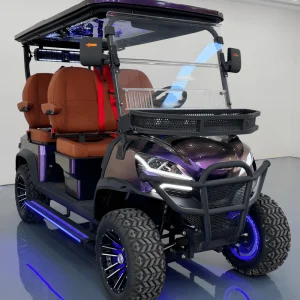
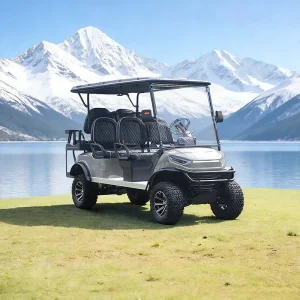
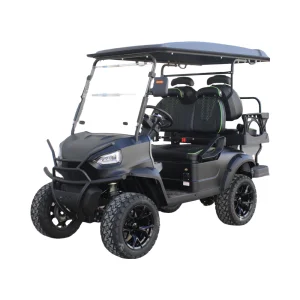
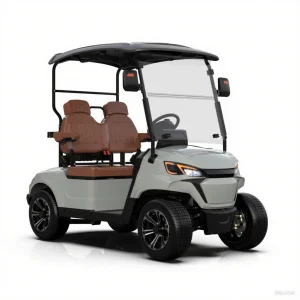
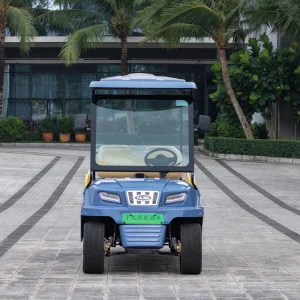
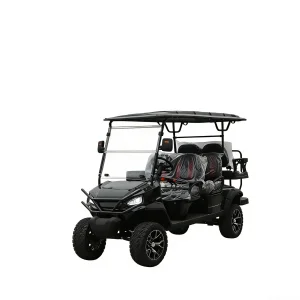
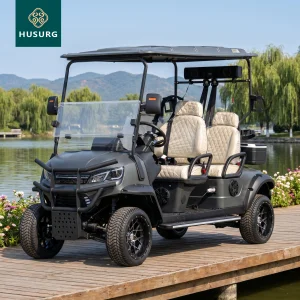
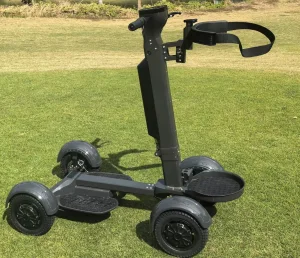
The global off-road vehicle market is undergoing a seismic shift. As industries and recreational sectors align with ESG (Environmental, Social, and Governance) goals, the demand for Solar Assisted All-Terrain Vehicles (ATVs) and utility carts has skyrocketed. China, at the epicenter of this technological revolution, has emerged as the premier manufacturing hub for these advanced vehicles.
Unlike traditional electric vehicles (EVs) that rely solely on grid charging, Solar-Assisted ATVs integrate flexible, high-efficiency monocrystalline solar panels. This integration provides an Information Gain in energy management, extending battery life by up to 30% and reducing the frequency of deep discharge cycles, which significantly lowers the Total Cost of Ownership (TCO).
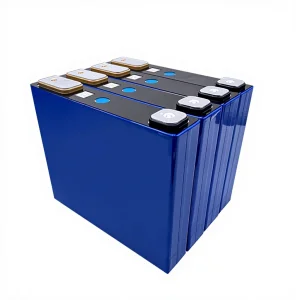
China controls over 80% of the global solar panel supply chain and a dominant share of lithium-ion battery production. Factories like Hangzhou Sarr Golf Co., Ltd. leverage this proximity to integrate cutting-edge Gotion LiFePO4 cells and MPPT (Maximum Power Point Tracking) controllers at a fraction of the cost compared to Western counterparts.
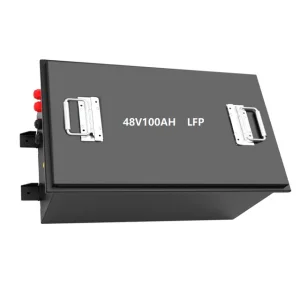
The ability to move from a CAD design to a functional "Solar-Assisted" prototype in weeks is a hallmark of Chinese expertise. Whether it's a 48V campus shuttle or a 72V off-road buggy, the flexibility in OEM/ODM services allows global exporters to meet specific regional safety standards like EEC or EPA.
The convergence of IoT and renewable energy is defining the next generation of ATVs. We are seeing a move towards "Intelligent Mobility" where solar charging is no longer a passive feature but an active data point in vehicle telematics.
While traditional lead-acid batteries served the market for decades, the transition to LiFePO4 Liquid Lithium Batteries (such as the 3.2V 52Ah Gotion cells) has become the gold standard. These batteries offer 5000+ cycles, superior thermal stability, and higher energy density, making them perfect for solar integration where consistent charge-discharge management is critical.
Modern solar-assisted buggies utilize high-performance MPPT controllers that optimize power extraction from solar panels even in low-light or shaded conditions. This is essential for vehicles operating in scenic resorts or forested areas where sunlight might be intermittent.
To maximize the efficiency of solar energy, manufacturers are adopting aerospace-grade Aluminum Frames. Reducing the vehicle's curb weight offsets the weight of battery packs and solar arrays, increasing the range and agility of the ATV in off-road terrains.
Solar-assisted vehicles are not one-size-fits-all. Chinese exporters now provide specialized macro-solutions for various global markets:
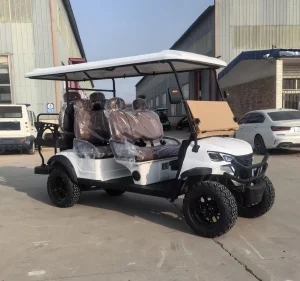
In regions like the Maldives or Southeast Asia, "Silent Design" and "Zero Emissions" are paramount. Solar-assisted 8-seater shuttles provide guest transport without the noise pollution of gas engines, while charging autonomously under the tropical sun.
Gated communities in North America and the Middle East are adopting low-speed electric vehicles (LSVs) for daily errands. Integrated solar roofs provide enough "trickle charge" to cover daily short-distance needs without ever plugging into the grid.
Airports, industrial parks, and universities utilize solar-assisted utility carts for maintenance and personnel movement. The EPA-certified gasoline-powered options remain a fallback for heavy-duty needs, but the trend is firmly toward 72V electric systems.
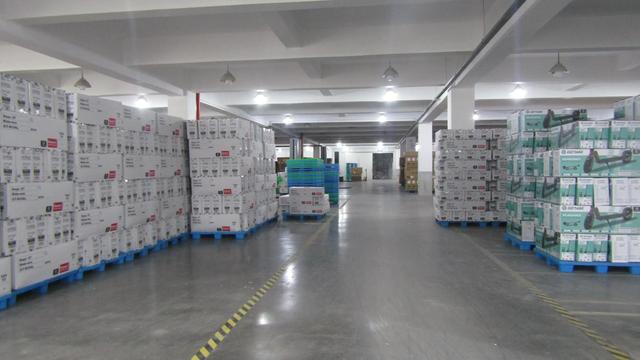
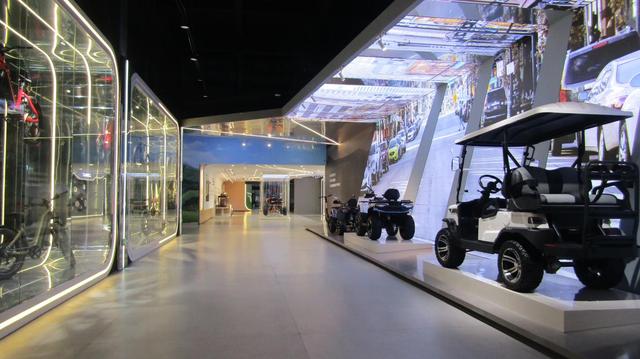
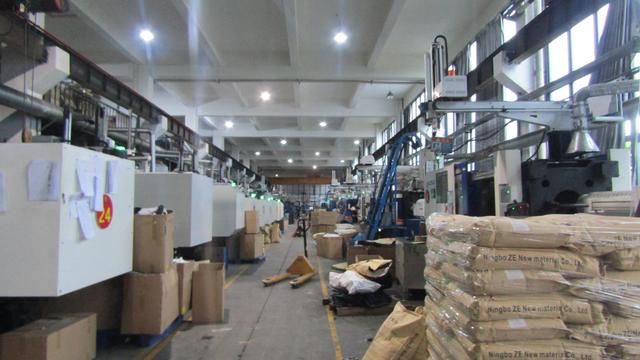
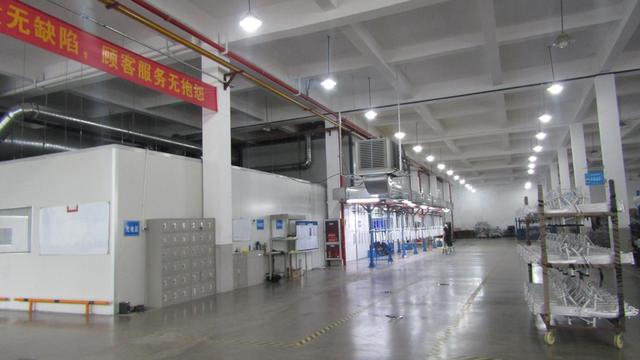
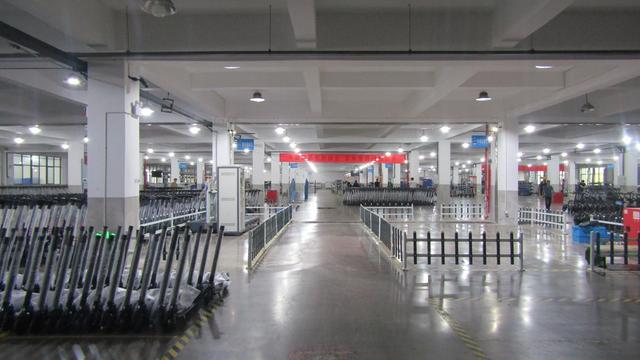
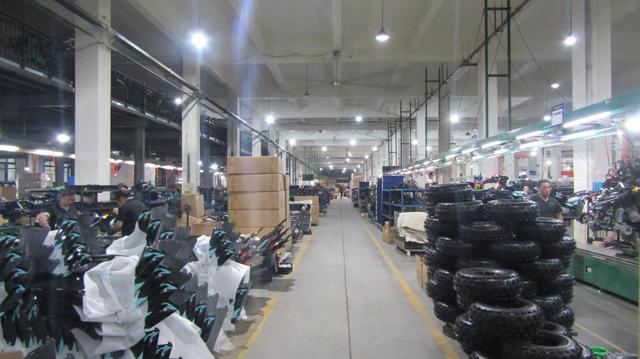
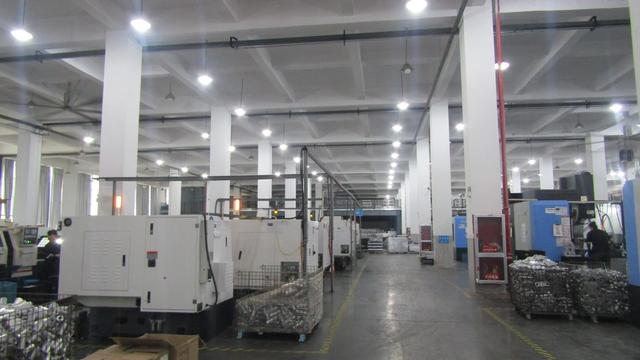
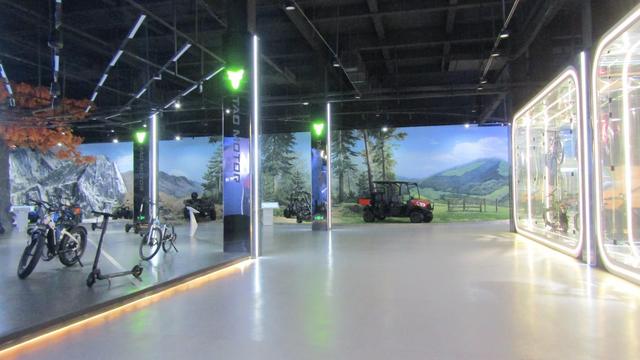
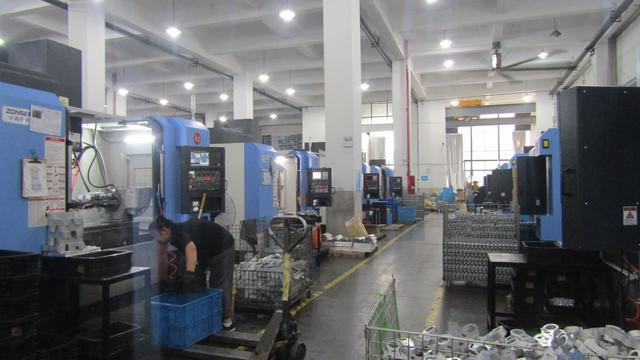
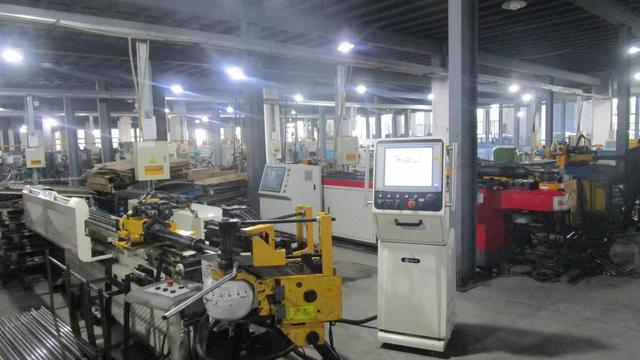
Hangzhou Sarr Golf Co., Ltd. is a professional manufacturer specializing in golf carts, utility vehicles, and commercial transport solutions for global markets. Established in 2012, the company is headquartered in Hangzhou, China, and operates a modern manufacturing facility covering 18,000 square meters with more than 180 employees, including experienced engineers and quality control specialists.
Sarr Golf integrates advanced vehicle engineering, battery management systems, and efficient assembly processes to ensure reliable performance. Every vehicle undergoes comprehensive inspection and performance testing before delivery, ensuring compliance with international safety standards.
A: On a typical sunny day, our high-efficiency solar roofs can add 5-10km of range, effectively covering the daily discharge of most low-speed community or resort use, creating a "zero-plug" experience for many users.
A: Maintenance is lower than traditional gas vehicles. Solar panels require only periodic cleaning to ensure maximum light absorption. The LiFePO4 battery systems are virtually maintenance-free compared to lead-acid batteries which require water topping.
A: Yes. Our models, such as the 2026 6-Seater and various utility buggies, come with EEC and EPA certifications, ensuring they are street-legal and compliant with regional import regulations.
A: Absolutely. We offer configurations from 2-seaters to 8-seaters, with battery options ranging from 48V to 72V, utilizing both prismatic LiFePO4 and traditional AGM batteries based on your budget and performance requirements.
 Sarr Golf