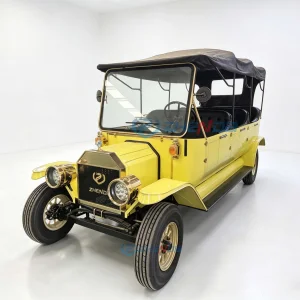
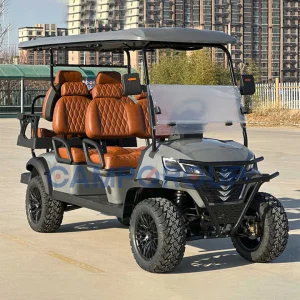
Selected top-tier models optimized for micro-transport across historic towns, luxury resorts, and coastal paths in Portugal. Featuring advanced battery telemetry and high-efficiency electric motors.
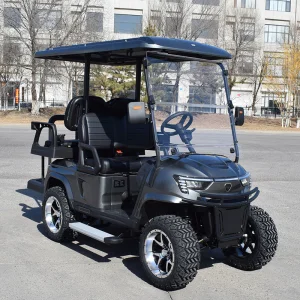
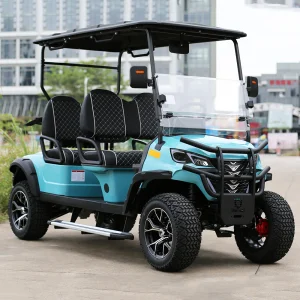
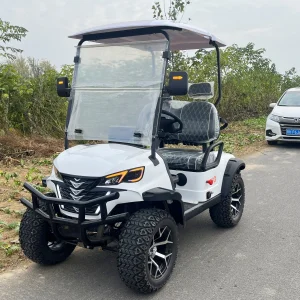
Portugal is experiencing a structural revolution in its tourist and commercial transport systems. Tourism hotspots such as the Algarve, Lisbon’s old historic quarters (Alfama and Bairro Alto), Porto's Douro Valley wine estates, and the hilly volcanic terrains of Madeira require innovative, low-speed transport configurations. With the European Union pushing towards absolute carbon neutrality under the Green Deal, old internal-combustion-engine (ICE) utility carts are rapidly being phased out. They are being replaced by high-performance, street-legal, multi-passenger electric sightseeing vehicles.
As a result, municipal councils, luxury five-star resort groups, private security firms, and industrial parks in Portugal have created a high-intent demand corridor for specialized electric golf carts. Because local automotive manufacturing focuses primarily on heavy commercial vehicles and passenger cars (such as the Autoeuropa plant), the specialized low-speed vehicle (LSV) segment relies heavily on importing high-grade electric buggies from certified global factories. In this whitepaper, we dissect the manufacturing and exporting landscape connecting premium global factories—such as Hangzhou Sarr Golf Co., Ltd.—to Portuguese commercial enterprises, and review the technical and regulatory metrics essential for successful deployment.
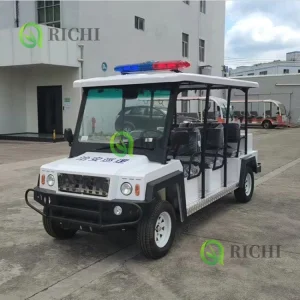
Engineered for unique topography, high load capacity, and patrol demands within golf courses, historic parks, and industrial complexes in Portugal.

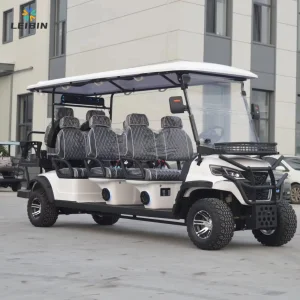
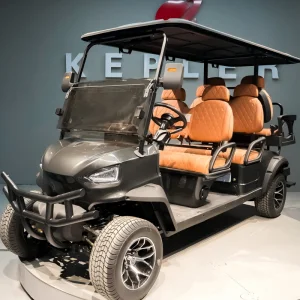
On a global level, the micro-mobility sector is moving away from basic, golf-course-only buggies towards multi-functional, street-legal, and off-road electric utility vehicles. Modern electric golf carts are designed for diverse environments, featuring smart battery management systems (BMS), high-torque AC motors, and advanced safety kits. In Portugal, this global trend intersects with specific local requirements:
Many of Portugal's premier venues, such as Quinta do Lago and Vale do Lobo in the Algarve, or the coastal estates of Cascais, operate in high-saline marine environments. Standard iron-frame golf carts degrade rapidly under these conditions. The latest engineering standards require aluminum alloy space-frames or hot-dip galvanized steel chassis treated with electrophoretic coating. This prevents oxidation and ensures the vehicle chassis lasts over 10 years.
Portugal’s historic cities and islands feature steep gradients. The traditional 48V DC powertrain struggles on Lisbon's cobblestones or Madeira’s mountain resorts. Global exporters have updated their technology roadmap to focus on 72V AC induction systems or permanent magnet synchronous motors (PMSM). These are managed by smart controllers (such as Curtis or Toyota-equivalent systems) that provide up to 25% gradeability and automatic hill-descent control (regenerative braking).
Traditionally, lead-acid batteries were popular due to low upfront costs. However, European commercial buyers now prioritize long-term return on investment (ROI). Lithium-ion (LiFePO4) battery setups provide 3,000+ charge cycles compared to 500 cycles for lead-acid. They also eliminate regular water-filling maintenance, reduce the overall vehicle weight by 150-200 kg, and allow for fast-charging. This is crucial for fleet operators during peak summer seasons.
Selecting the right sightseeing golf cart requires matching performance characteristics with specific operating conditions. Below is a technical breakdown comparing the different powertrain and chassis options available for European exporters shipping to Portugal:
| Feature Spec | Standard Classic Cart | High-Torque Off-Road Utility | Luxury Long-Range Tourer |
|---|---|---|---|
| Nominal Voltage | 48V DC / AC | 60V / 72V AC | 72V PMSM (Permanent Magnet) |
| Motor Output | 3.3 kW - 4.0 kW | 5.0 kW - 7.5 kW | 7.5 kW - 10 kW High Efficiency |
| Battery Options | Lead-Acid or 100Ah LiFePO4 | 150Ah LiFePO4 Lithium | 200Ah+ High-Capacity Lithium |
| Gradeability (Slope) | 15% to 18% slope limit | 20% to 25% slope limit | Up to 30% dynamic torque control |
| Chassis Protection | Powder-coated Carbon Steel | Heavy-duty Galvanized Steel | Aviation-Grade Aluminum Space Frame |
| Braking System | Rear Mechanical Drum | Four-wheel Hydraulic Disc | Hydraulic Disc + Regenerative EM Brake |
| Suspension Setup | Leaf Springs with Shocks | Independent Double A-Arm | Independent Automotive McPherson Strut |
To operate sightseeing golf carts on public roads in Portuguese towns, vehicles must meet specific EU categories (typically L6e for light quadricycles or L7e for heavy quadricycles). This requires exporters to supply Certificate of Conformity (CoC) documentation, along with essential street-legal features like three-point seat belts, dual-circuit hydraulic disc brakes, laminated safety glass windshields, LED lights, side mirrors, and horn assemblies.
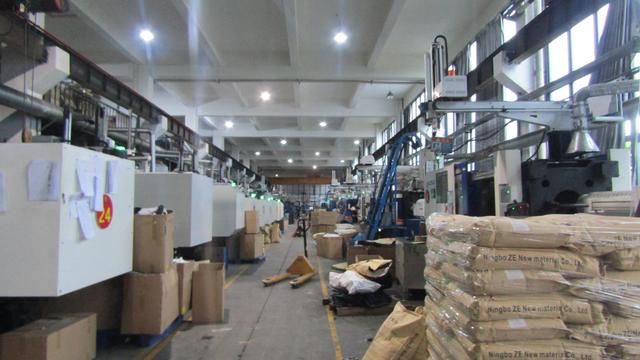
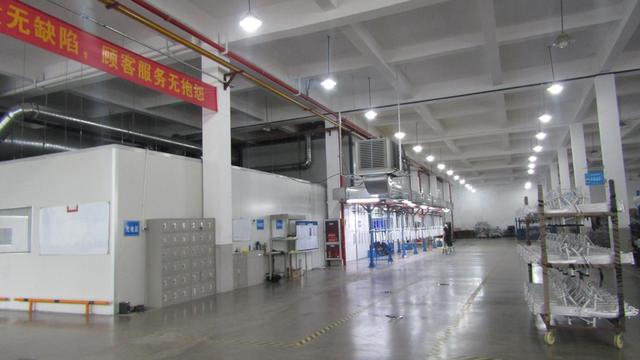
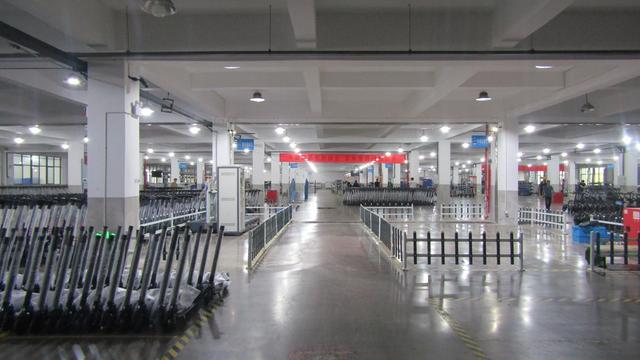
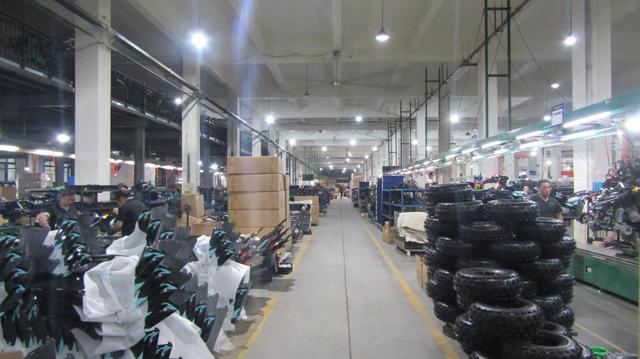
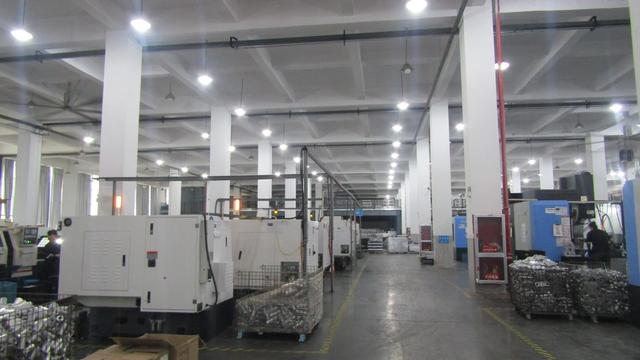
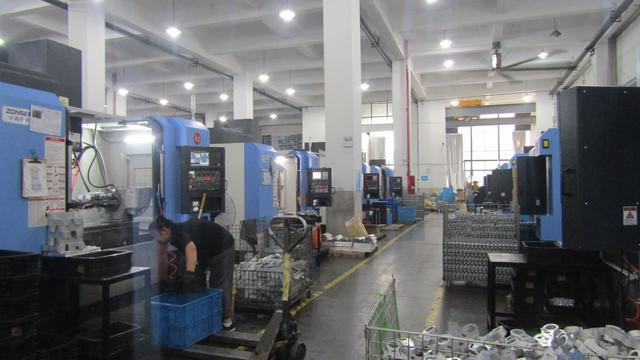
Established in 2012, Hangzhou Sarr Golf Co., Ltd. is a leading manufacturer specializing in electric golf carts, utility vehicles, and commercial transport solutions for global markets. Headquartered in Hangzhou, China, the company operates a modern manufacturing facility covering 18,000 square meters and employs over 180 professionals, including experienced engineers, production technicians, and quality control specialists.
Focused on electric mobility technology, Sarr Golf designs and manufactures a wide range of vehicles, including electric golf carts, utility carts, resort transportation vehicles, and customized commercial transport vehicles. The company serves customers across golf courses, resorts, airports, industrial parks, and educational campuses. Sarr Golf integrates advanced vehicle engineering, smart battery management, and efficient assembly processes to ensure reliable performance, energy efficiency, and long-term durability. Every vehicle undergoes a comprehensive inspection and performance test before delivery.
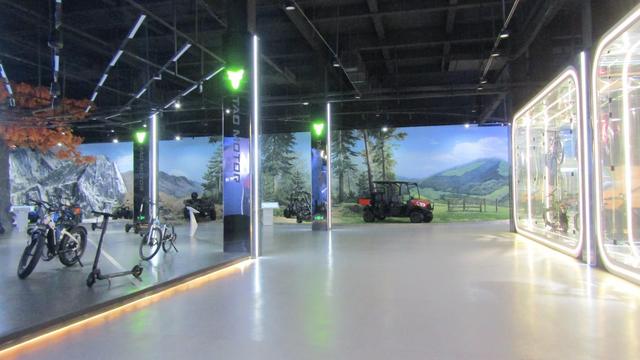
With flexible OEM and ODM services, Sarr Golf enables customers in Portugal to customize vehicle configurations, seating capacities, battery systems, branding, colors, and application-specific features according to project requirements. Today, Sarr Golf exports its products to North America, Europe, the Middle East, Southeast Asia, and Oceania, supporting the growing demand for efficient and environmentally responsible mobility vehicles worldwide.
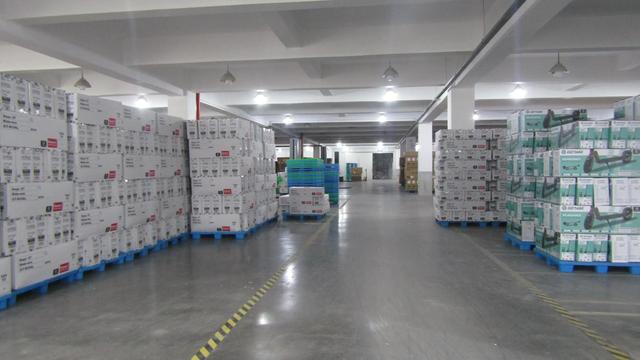
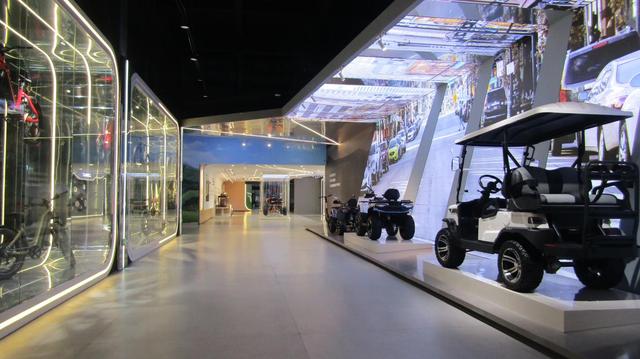
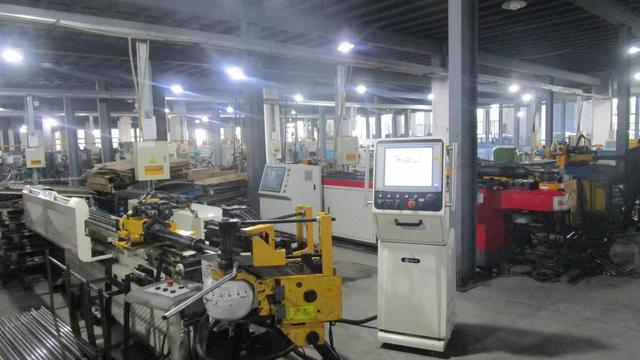
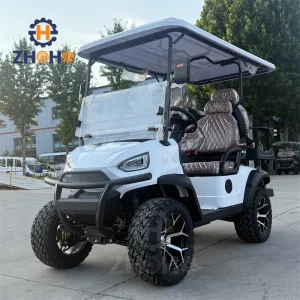
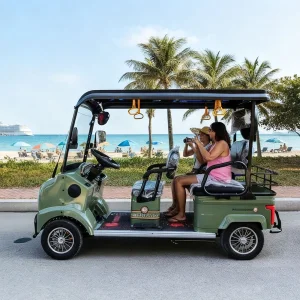
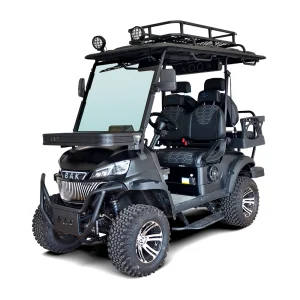
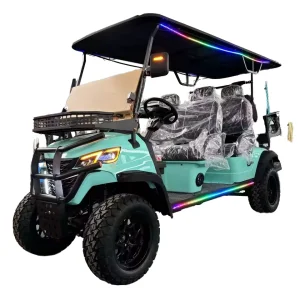
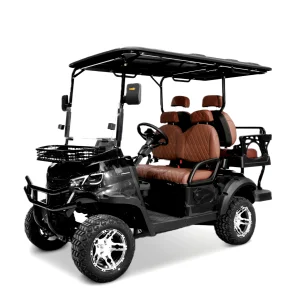
Below is our complete export inventory, optimized for local operation in Portugal, featuring options with advanced suspensions, high power, and street-legal configurations.

Navigate the complex technical, importing, and certification landscape with these detailed, industry-verified answers.
 Sarr Golf