Premium solar-assisted models customized for local urban environments, high-efficiency output, and extended ranges.
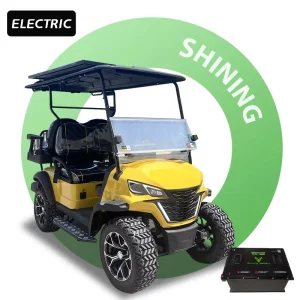
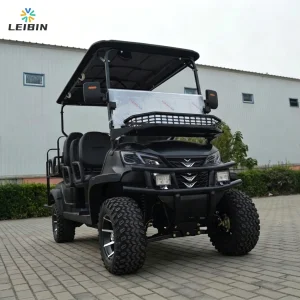
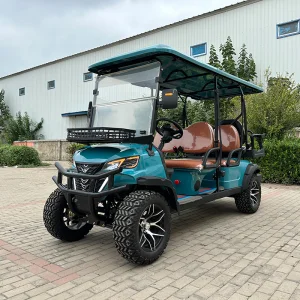
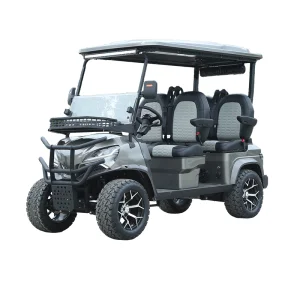
In recent years, the metropolitan area of Seoul has emerged as a globally recognized testing ground for advanced smart-city applications and sustainable transport infrastructure. Driven by the South Korean government's aggressive "Net-Zero 2050" initiatives alongside municipal agendas to eliminate internal combustion engines from urban cores, the request for clean-energy Light Electric Vehicles (LEVs) has grown exponentially. Among these solutions, solar-assisted electric golf carts and multi-passenger utility buggies have evolved far beyond traditional fairway use. They are now widely integrated into urban logistics, municipal parks, public transit connectors, and upscale hospitality sites.
“By harvesting photovoltaic energy directly from vehicle roofs, modern fleets operating within Gyeonggi Province and the broader Seoul Metropolitan Area can increase operational uptime by up to 35% while easing structural loads on municipal power grids.”
This integration of PV technology directly addresses the classic operational bottleneck of electric utility vehicles: continuous runtime limitation and downtime due to grid-charging requirements. When assessing solar-assisted golf cart suppliers in Seoul, procurement officers must balance local regulatory standards with the realities of global supply chains. While domestic South Korean firms excel in technology assembly and high-end software integration, partnering with direct manufacturers in neighboring manufacturing hubs like China offers significant cost-to-performance and customization benefits.
Solar Panel Efficiency
Factory Footprint
Technical Employees
Global Export Markets
On a global scale, the market for solar-assisted golf carts is expanding rapidly, catalyzed by the worldwide push toward green energy. Solar-assisted carts utilize a hybrid charging architecture where integrated monocrystalline or polycrystalline solar panels continuously feed power to the lithium-ion battery pack via an onboard MPPT (Maximum Power Point Tracking) charge controller. This setup charges the vehicle both while parked and while driving, making it highly valuable in sunny regions, large-scale industrial complexes, and luxury resort environments.
Within Seoul's highly dense urban structure, spatial limitations require fleet vehicles to be agile, low-noise, and zero-emission. Key local development projects in districts such as Songpa, Gangnam, and Mapo have designated pedestrian-only paths and eco-parks where traditional combustion utility vehicles are banned. Additionally, Gyeonggi Province—which hosts the highest density of golf courses and country clubs in South Korea—is seeing a steady transition toward solar-lithium hybrid fleets to reduce overhead utility costs and appeal to environmentally conscious players.
To meet the strict technical standards of the Seoul Metropolitan market, regional distributors often partner with top-tier Chinese manufacturers who offer advanced component integration and efficient production at scale. A leading example is Hangzhou Sarr Golf Co., Ltd., a professional manufacturer specializing in custom golf carts and commercial transport solutions since 2012.
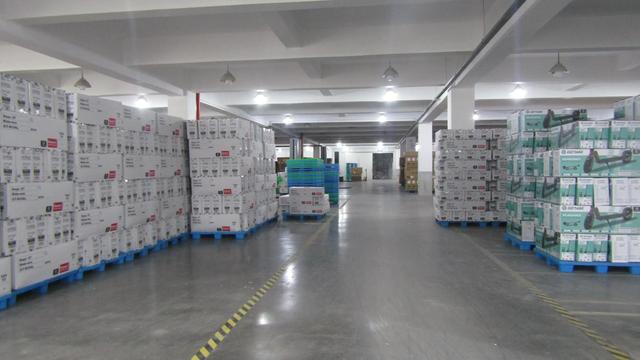
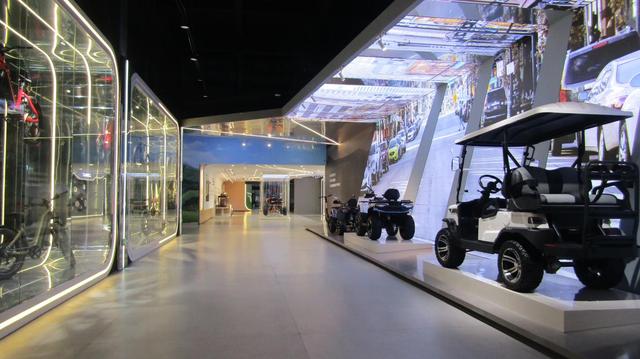
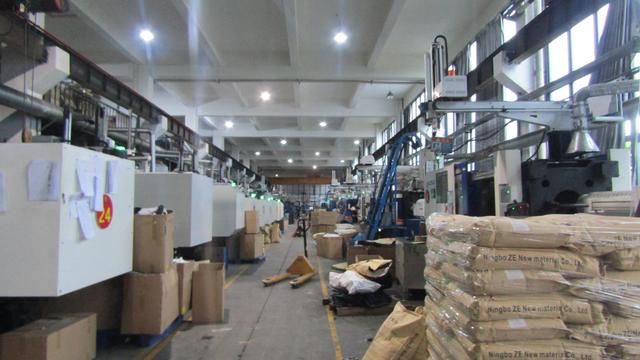
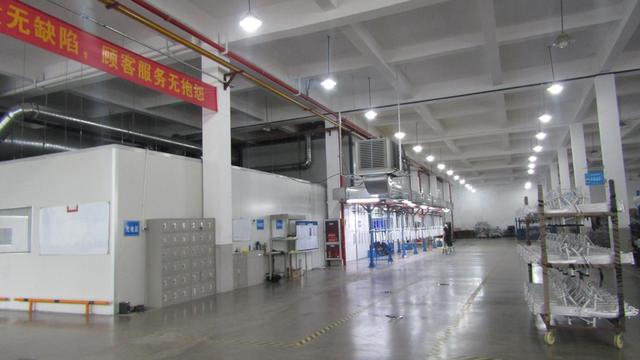
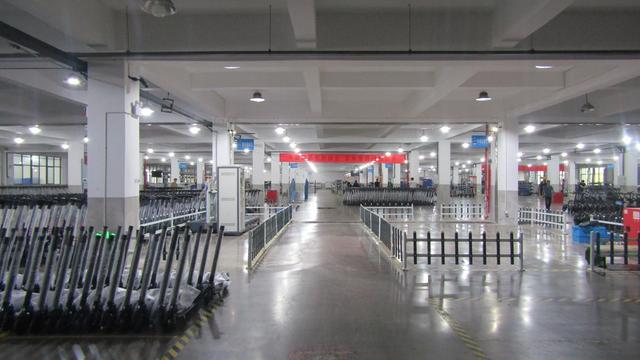
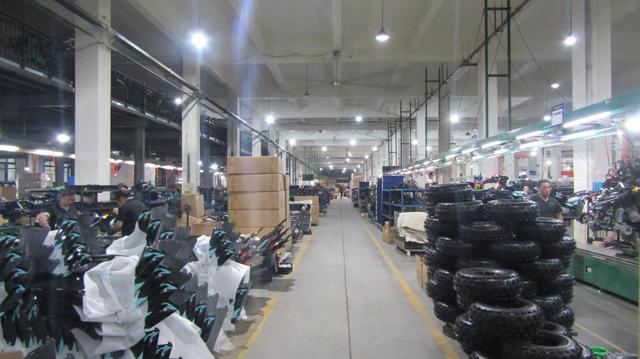
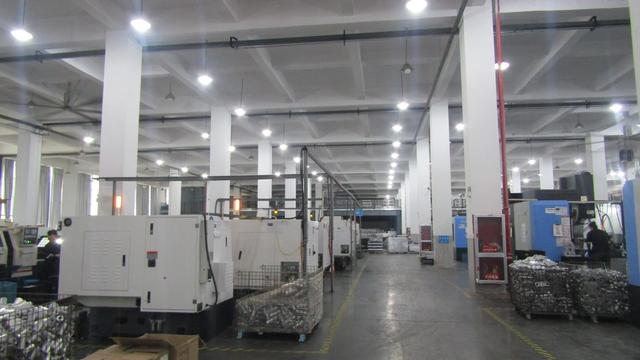
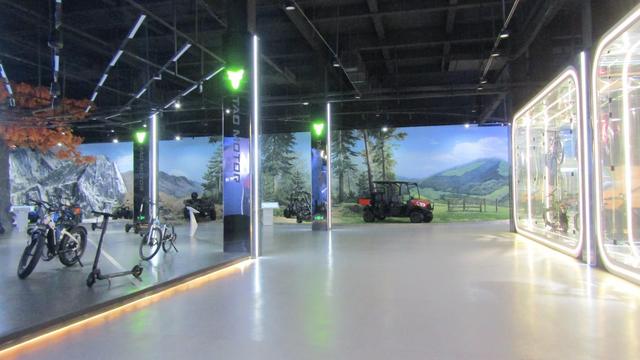
Operating a modern, state-of-the-art facility covering 18,000 square meters and staffed by over 180 experienced specialists, Sarr Golf provides the technical foundation needed to supply robust, street-legal solar golf carts globally. By integrating advanced automotive-grade engineering, smart Battery Management Systems (BMS), and automated assembly lines, Sarr Golf guarantees consistent quality that meets European and GCC standards. This efficient production model allows for extensive OEM and ODM configurations, enabling Seoul-based commercial operators to customize seating arrangements, battery capacities, paint finishes, and solar roof setups to exact specifications.
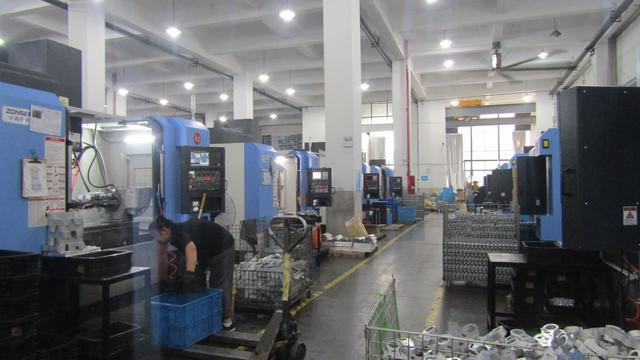
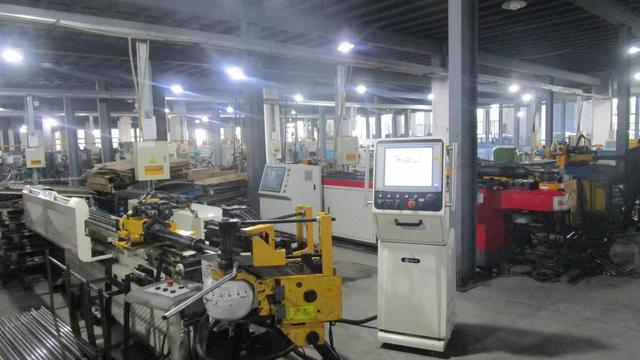
Why modern fleet managers in Seoul are moving toward high-efficiency solar-assisted platforms.
By using premium monocrystalline panels with conversion rates above 22%, our carts harvest light even on overcast days. This extends daily travel ranges by up to 20 km, reducing the frequency of deep battery discharges.
Our intelligent battery management systems monitor cell temperatures, voltage balancing, and charging curves. This increases safety, prevents overcharging, and extends battery service life to over 10 years.
With structures made from high-strength treated steel or aluminum, our carts are built to withstand varying climates. They can be configured for 2, 4, 6, or 8 passengers to meet diverse commercial transport needs.
To maximize return on investment, procurement managers must evaluate solar-assisted golf carts based on their specific operating environments. Below are the primary application scenarios in Seoul and the Gyeonggi metropolitan region:
Purchasing agents must look beyond simple aesthetic features when sourcing solar-assisted utility fleets. The following factors are critical for long-term durability and performance:
1. Photovoltaic Cell Quality: Insist on monocrystalline solar cells integrated directly into the cart roof structure. Monocrystalline cells perform better in low-light and shaded conditions compared to cheaper polycrystalline options.
2. MPPT Charge Controller Integration: A high-quality Maximum Power Point Tracking (MPPT) controller is essential. It continuously adjusts electrical parameters to ensure the solar panels feed the maximum possible power to the battery pack, even when light conditions change.
3. Battery Chemistry: Choose Lithium Iron Phosphate (LiFePO4) over lead-acid options. LiFePO4 batteries last longer (typically over 3,000 charge cycles), handle rapid solar charging currents better, and are much lighter, which improves vehicle range.
Explore our complete lineup of solar-assisted electric vehicles, built for durability and optimized for commercial fleet operations.
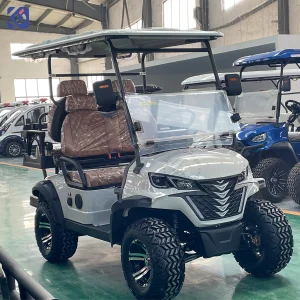
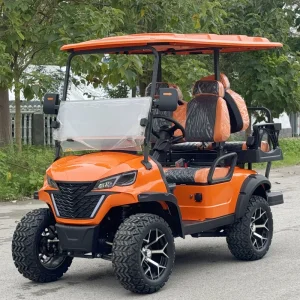
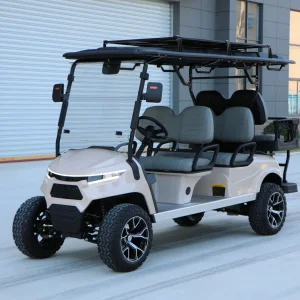
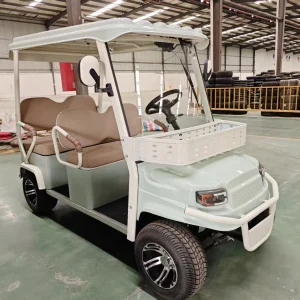
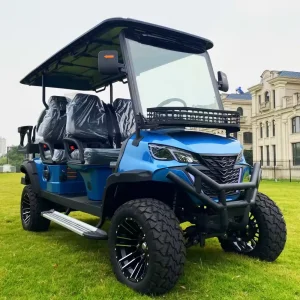
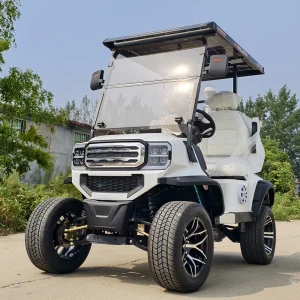
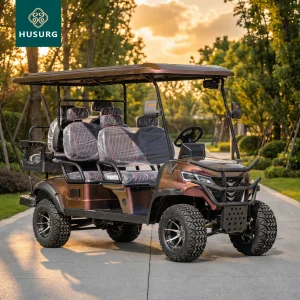
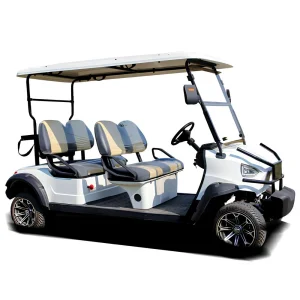
Looking ahead, the integration of solar-assisted utility vehicles into urban transit systems will move beyond simple standalone operations. As Seoul continues to expand its smart city infrastructure, these light electric vehicles are increasingly fitted with integrated telematics, GPS vehicle tracking, and automated fleet management systems.
On the technology side, manufacturers are working on integrating thin-film organic solar cells directly into the composite materials of cart bodies, rather than mounting them as separate roof panels. This promises to improve aerodynamics, reduce vehicle weight, and increase the surface area available for harvesting solar energy.
Additionally, vehicle-to-grid (V2G) technologies are being developed. These will allow parked solar golf carts to feed excess solar energy back into regional power grids, turning fleet parking areas into distributed clean energy generators.
Common questions from fleet buyers and distributors regarding solar-assisted electric vehicles.
 Sarr Golf