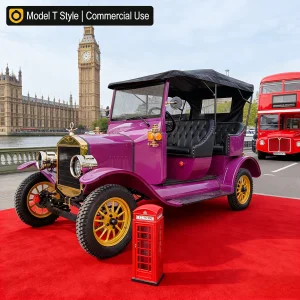
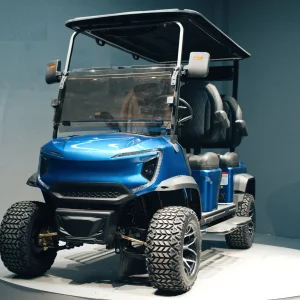
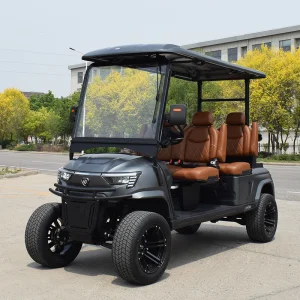
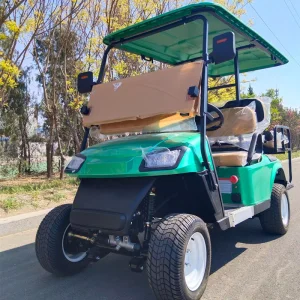
The global transportation landscape is undergoing a paradigm shift. As urban centers become more congested and the push for "net-zero" emissions intensifies, Street Legal Mobility Vehicles (SLMVs)—often categorized as Low-Speed Vehicles (LSVs) or Neighborhood Electric Vehicles (NEVs)—have transitioned from niche luxury items to critical infrastructure components. These vehicles represent a $15 billion global market that is projected to grow at a CAGR of 8.4% through 2030.
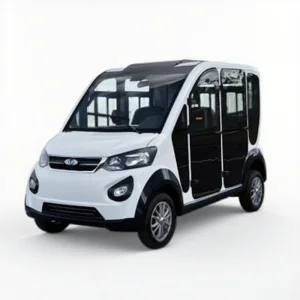
To be classified as "Street Legal," a mobility vehicle must meet rigorous safety and equipment standards set by national transport authorities, such as the US DOT (NHTSA) or the European Union's EEC/CoC certifications. This includes the integration of three-point seatbelts, automotive-grade windshields, integrated turn signals, rearview mirrors, and advanced braking systems. China's top exporters, such as Hangzhou Sarr Golf Co., Ltd., have mastered these compliance nuances, ensuring that a vehicle manufactured in Hangzhou can be seamlessly registered for road use in California, Dubai, or Berlin.
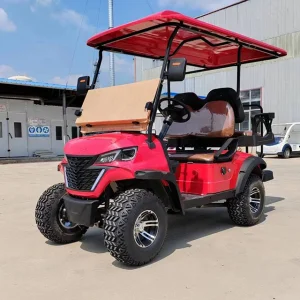
Increasing demand in North America and the Middle East for eco-friendly short-range transport in gated communities and resorts.
Transitioning from Lead-Acid to High-Density Lithium-Ion (LiFePO4) batteries, offering 3x the lifespan and 40% less weight.
Manufacturing adheres to CE, EEC, and ISO 9001 standards, ensuring safety across diverse jurisdictional requirements.
Why does China lead the world in SLMV exports? It is a combination of supply chain vertical integration and rapid R&D iteration. In the Yangtze River Delta, a factory can source motors, controllers, and chassis components within a 100km radius, drastically reducing lead times and logistical costs.
Hangzhou Sarr Golf Co., Ltd. stands as a benchmark for professional manufacturing in this sector. Established in 2012 and headquartered in the tech-hub of Hangzhou, the company operates a sprawling 18,000 square meter facility. With over 180 specialized employees, including a core team of senior vehicle engineers, they have integrated AI-driven design processes to optimize vehicle aerodynamics and battery efficiency.
By leveraging advanced vehicle engineering and proprietary Battery Management Systems (BMS), Sarr Golf ensures that every vehicle—whether it's an off-road utility cart or a luxury vintage sightseeing car—delivers peak performance in extreme climates, from the humid resorts of Southeast Asia to the arid deserts of the UAE.
Understanding "User Intent" is crucial for procurement. A vehicle for a Greek island resort requires different specifications than a security patrol vehicle for a high-security airport in Qatar. We categorize our mobility solutions into four high-impact scenarios:
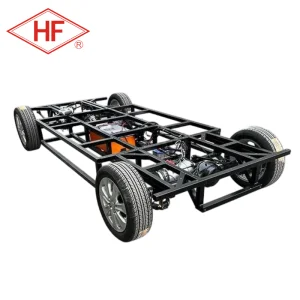
Electric patrol and freight chassis (like our 48V/20A Charger Security Carts) provide silent, zero-emission movement inside hangars and across tarmacs.
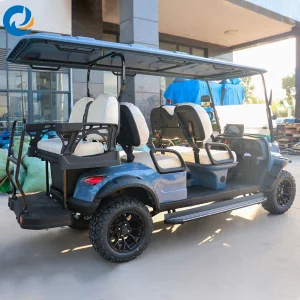
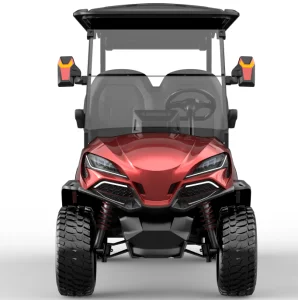
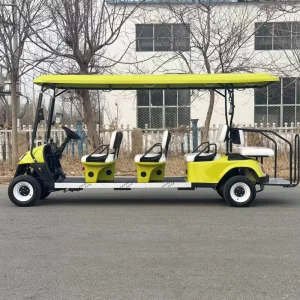
Vintage sightseeing cars and luxury 6-seaters enhance the guest experience, offering "Instagrammable" aesthetics combined with modern electric reliability.
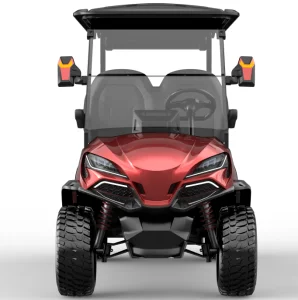
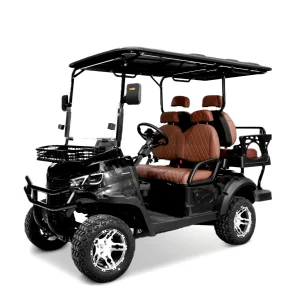
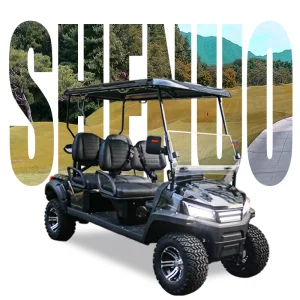
Street-legal 4-seaters serve as the primary "second car" for families in master-planned communities, used for school runs, grocery shopping, and social visits.
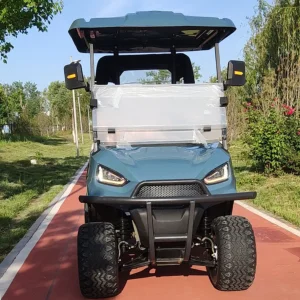
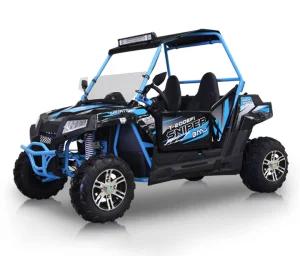
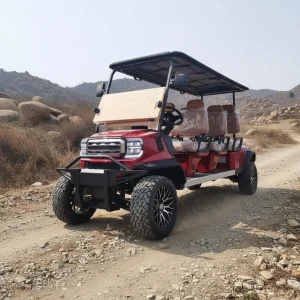
Heavy-duty utility carts designed for industrial parks can carry payloads exceeding 500kg, replacing expensive, loud, and polluting diesel trucks.
The industry is moving toward "energy-positive" vehicles. Our solar-powered electric golf carts with foldable panels represent the pinnacle of this trend, extending range by up to 20% through passive charging while parked.
Unmanned autonomous wire-control chassis are no longer prototypes. They are being deployed for "last-mile" delivery and scheduled campus shuttles, utilizing LiDAR and sensor avoidance technology to navigate complex environments without a driver.
Information Gain: Modern Chinese factories are now implementing IoT Telematics. Fleet managers can now monitor battery health, real-time GPS location, and driver behavior across 1,000+ vehicles via a single cloud-based dashboard.
For international B2B buyers, procurement is about more than just a price point; it is about Risk Mitigation and Customization. Sarr Golf offers a comprehensive OEM/ODM framework:
In the USA, it must comply with FMVSS 500 (25mph max speed, lights, belts). In Europe, it requires L7e category EEC certification. We provide documentation for both specific regions.
Depending on the configuration (e.g., 72V system), our vehicles typically achieve 70km to 110km per charge. Lithium batteries maintain 80% capacity after 3,000+ charge cycles.
Yes, our high-torque AC motors (5kW - 7.5kW) are designed for climbing grades up to 25%, making them ideal for hilly golf courses and resorts.
Absolutely. We provide flexible manufacturing for resort chains and specialized industrial clients, even for orders as small as 5-10 units.
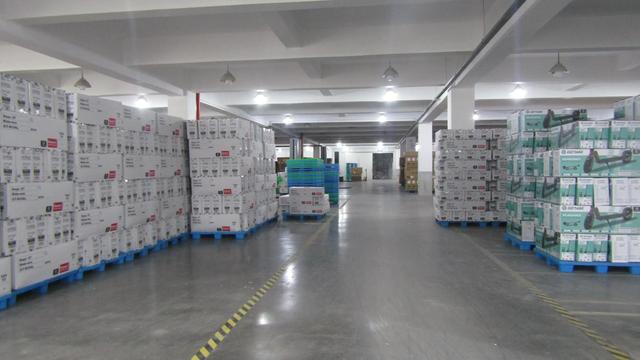
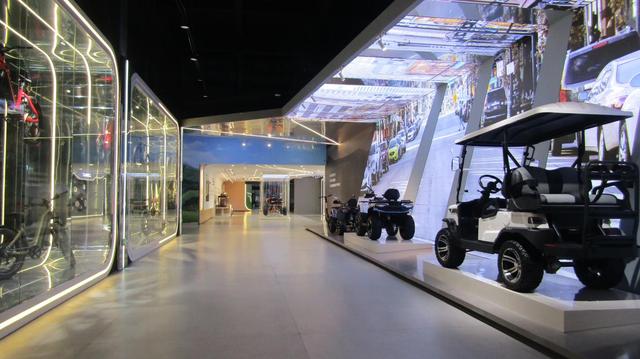
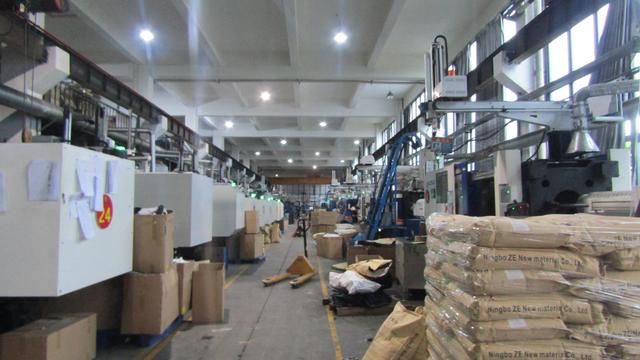
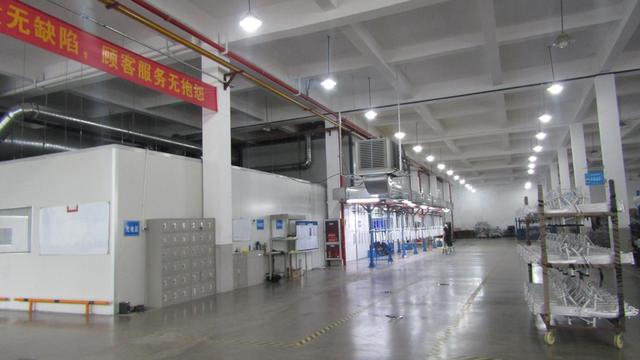
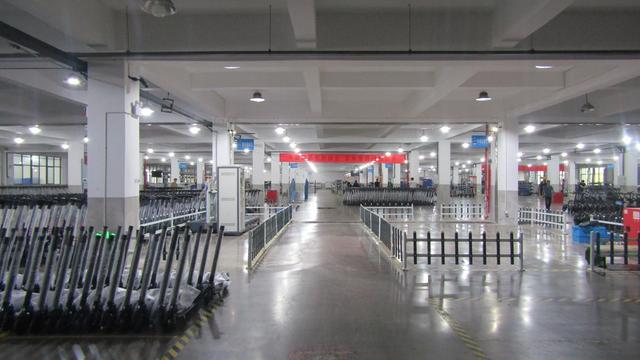
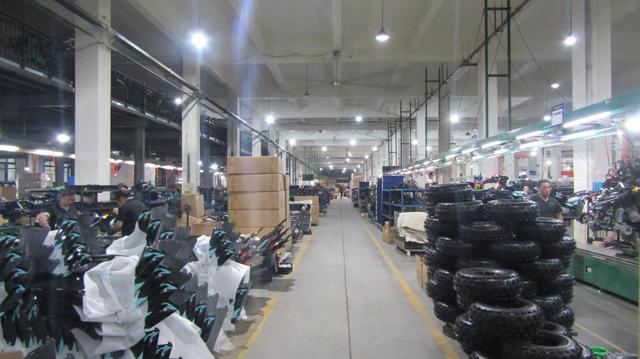
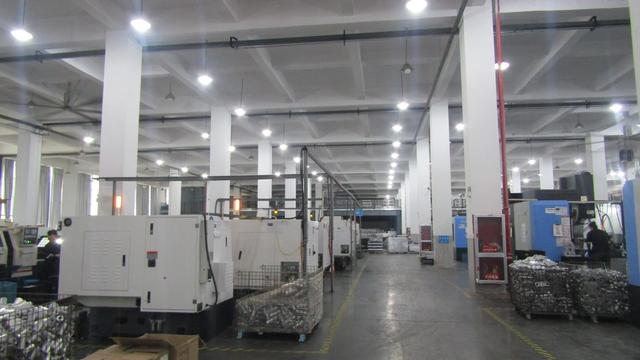
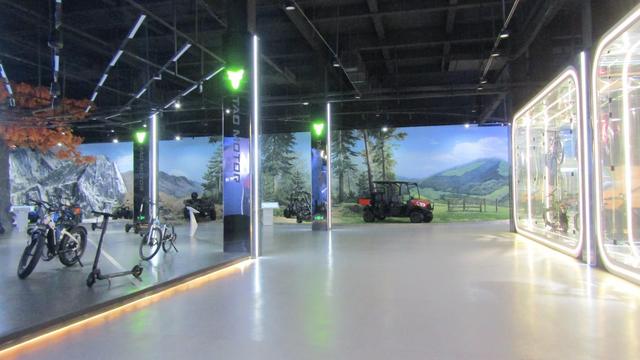
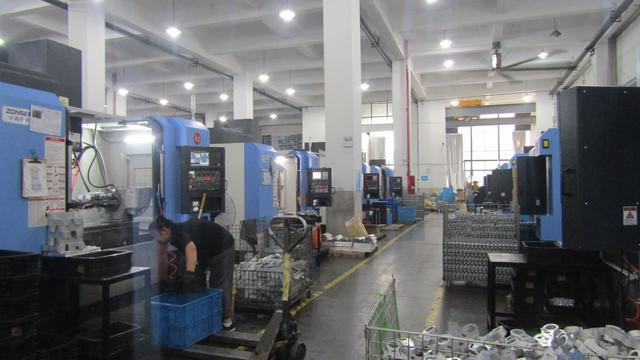
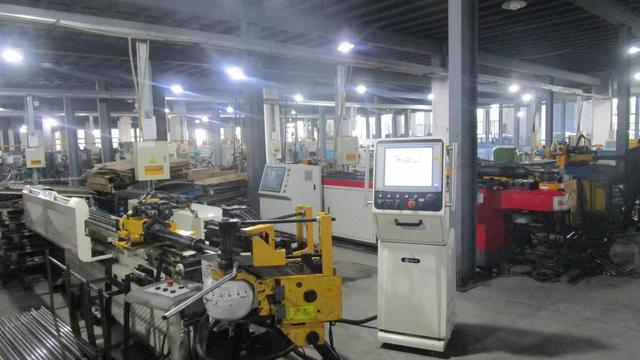
Hangzhou Sarr Golf integrates advanced assembly lines, vehicle testing rigs, and rigorous quality management to ensure excellence.
 Sarr Golf