Explore our highly-curated selection of premium low-speed utility vehicles, customized golf carts, and advanced electric buggies built to international regulatory standards.
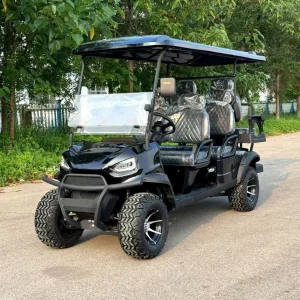
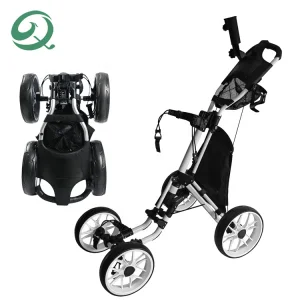
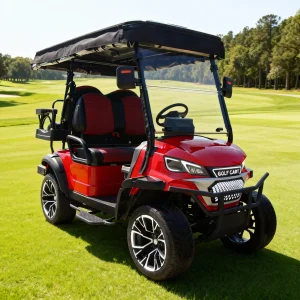
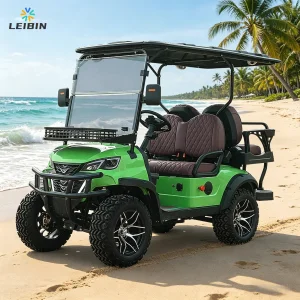
Analyzing the macro-shifts reshaping master-planned communities, smart urbanism, and green low-speed transport systems worldwide.
The global micro-mobility market is experiencing a profound paradigm shift. Driven by zero-emission regulatory targets, rapid modernization of real estate, and municipal shifts towards car-free town centers, the demand for high-end, low-speed Community Mobility Vehicles (CMVs) has reached an all-time high. CMVs, commonly categorized as Low-Speed Vehicles (LSVs) or Neighborhood Electric Vehicles (NEVs), are no longer restricted to traditional 18-hole golf courses. Instead, they have evolved into the primary transit choice for modern eco-resorts, sprawling university campuses, corporate logistics centers, and high-density master-planned master communities.
Information Gain Insight: According to global industry indices, the commercial and institutional integration of low-speed electric fleets is projected to grow at a CAGR of 8.4% through 2032. Procurement preferences have moved conclusively away from internal combustion engines (ICE) toward advanced Lithium-ion powertrains and CAN-bus diagnostic architectures that support centralized fleet telematics.
This rapid shift is governed by three primary pillars: decarbonization goals, autonomous capability readiness, and smart-city localization. Industrial, residential, and corporate campuses are designing internal roadway infrastructures around specialized vehicle paths, emphasizing safety, compact footprints, and near-silent operation profiles. Consequently, B2B procurement heads and fleet buyers are prioritizing direct custom partnerships with manufacturers capable of delivering highly configured vehicles optimized for specific regional regulations (such as US DOT/FMVSS Title 500, EEC L6e/L7e, and specialized local community certifications).
Essential considerations for international distributors, municipality buyers, and resort developers sourcing custom vehicle fleets.
Sourcing institutional fleets of Community Mobility Vehicles requires a strategic evaluation of long-term operational resilience. Buyers are moving away from standardized retail models in favor of highly-customized OEM specifications. To achieve low Total Cost of Ownership (TCO), procurement professionals must scrutinize multiple structural levels of engineering, safety integrations, battery life cycles, and localized regulatory compliance.
Every commercial application demands distinct functional structures: flatbed cargo setups, high-passenger multi-shuttles, off-road setups, and customized colorways mapping exact corporate and municipality identities.
Global fleets require adherence to local transit mandates. This includes rearview radar collision warnings, structural roll-over protections, three-point seatbelts, dual hydraulic braking systems, and certified DOT windshield configurations.
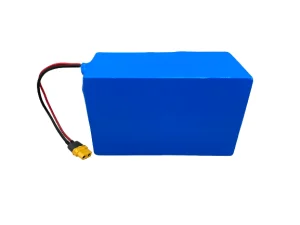
Modern fleets favor high-capacity Lithium Iron Phosphate (LiFePO4) over legacy lead-acid systems. These packs ensure faster charging, 3000+ cycle lifetimes, advanced thermal stability, and integrated active BMS networks.
In addition to strict hardware metrics, smart B2B buyers emphasize post-sales component integration. Relying on standardized platforms with global spare parts supply ensures that localized fleet operations minimize downtime. Customized setups must feature standard configurations that allow simple maintenance, such as modular controllers, standard tires, and easily accessible suspension points.
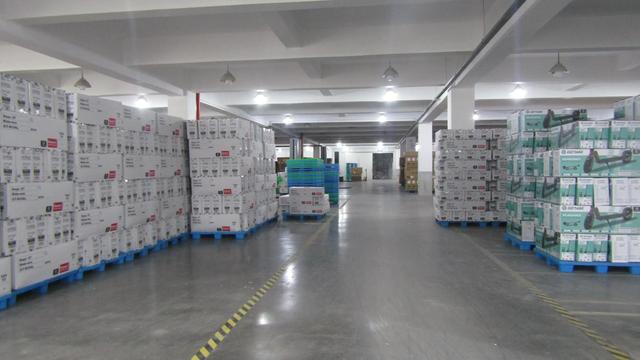
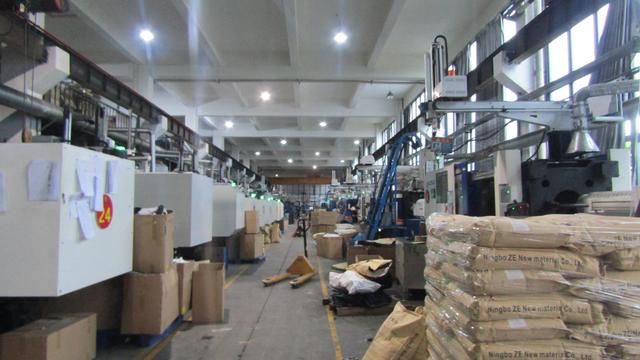
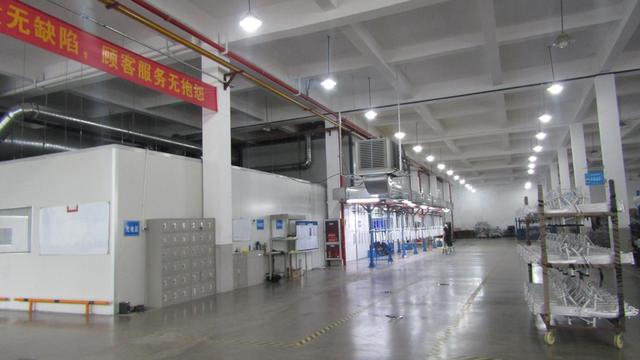
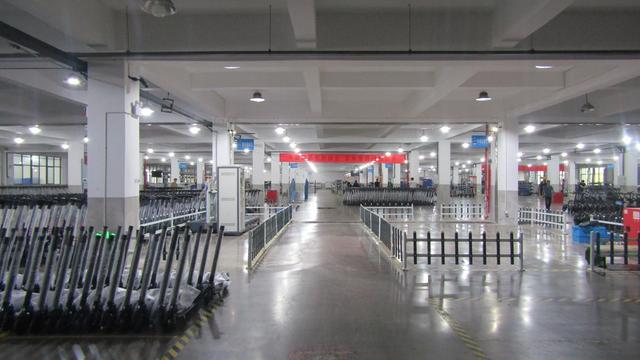
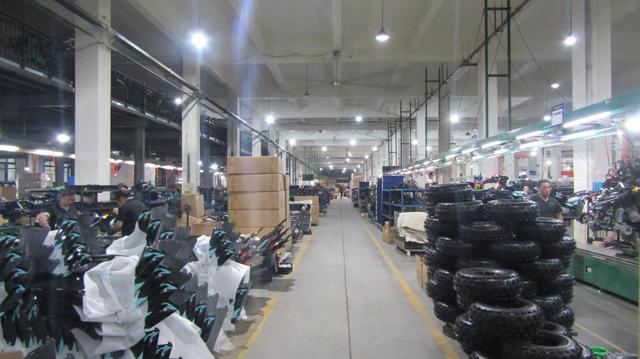
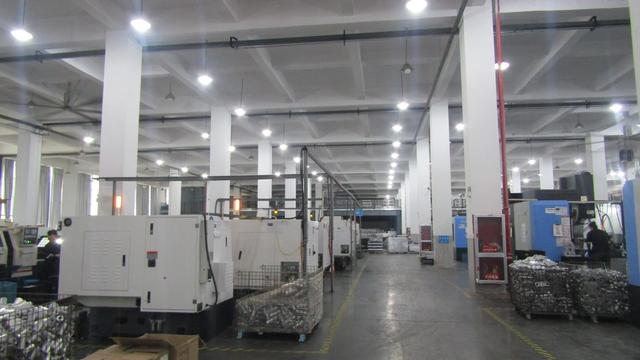
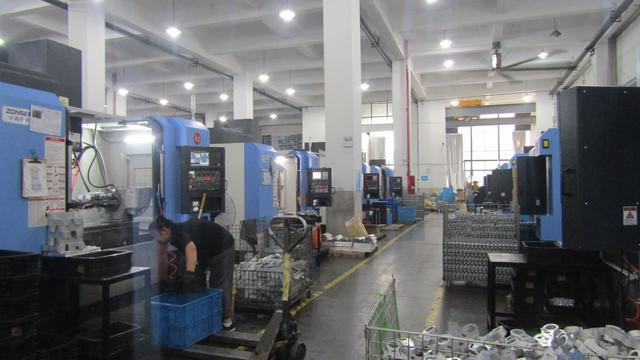
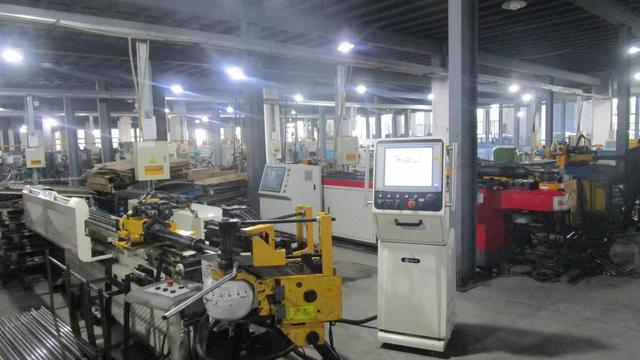
Hangzhou Sarr Golf Co., Ltd. is a globally recognized manufacturer specializing in high-performance electric golf carts, specialized utility vehicles, and municipal transport systems. Established in 2012, the company operates a state-of-the-art facility covering 18,000 square meters in Hangzhou, China.
Employing over 180 highly skilled technicians, veteran EV automotive engineers, and rigorous quality assurance specialists, Sarr Golf integrates smart Factory 4.0 principles into its advanced production. By utilizing high-precision robotic frame welding, automated chassis alignment, and closed-loop electronic system dyno-testing, they achieve high precision and reliability for every vehicle that rolls off the line.
Our vertical integration ensures streamlined supply control, which mitigates international parts shortages and guarantees stable pricing. With specialized in-house departments for frame construction, body molding, harness assembly, and paint application, Sarr Golf provides flexible OEM and ODM solutions to clients spanning North America, Europe, Oceania, and Southeast Asia.

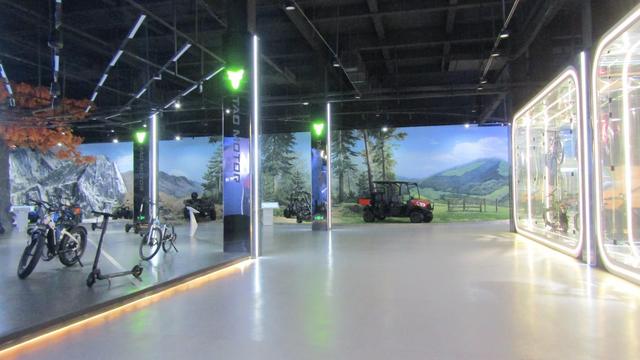
Analyzing localized, high-impact scenarios where specialized low-speed electric vehicles maximize efficiency.
Modern low-speed electric vehicles perform across diverse commercial, public, and private environments. Understanding specific use-case dynamics helps fleet managers choose the exact configuration to support operational efficiency, user satisfaction, and long-term durability.
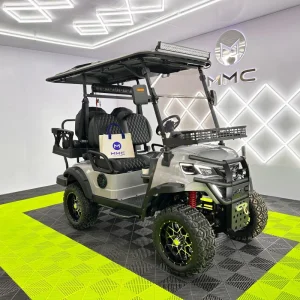
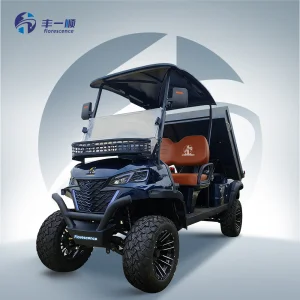
Prioritizing passenger comfort, luxury styling, and quiet operation. Vehicles like the 6-seater premium sightseeing cars and custom-designed luxury passenger buggies ensure a premium guest transport experience across resort paths and golf courses.
These environments prioritize load capacity, durability, and safety integrations. Low-speed utility cargo carts streamline heavy equipment and package transit, while rearview radar models enable precise patrol maneuvers in tight spaces.
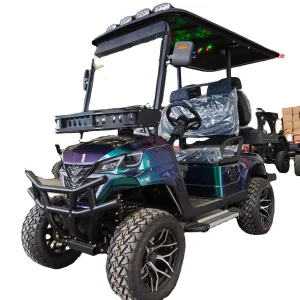
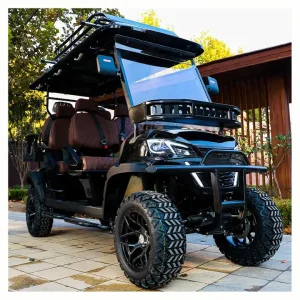
Demanding robust suspensions, increased torque, high-ground clearance, and off-road tires. Lifted 4WD all-terrain configurations and high-voltage buggies handle steep grades, gravel paths, and farm fields with ease.
Through customized gearing configurations and terrain-specific tire alignments, modern CMVs maintain balance across sand, grass, asphalt, and concrete. Sarr Golf's engineering team analyzes localized geographic and environmental profiles—such as coastal salt air, extreme humidity, or hilly terrain—to deliver specialized structural coatings and optimized motor-controller configurations.
A deep dive into structural design, powertrain optimizations, and advanced telemetry integration.
True engineering excellence is defined by the unseen component layouts within the vehicle frame. From high-tensile structural aluminum alloys to advanced CAN-bus architectures, the modern LSV is engineered for safety, reliability, and longevity.
Modern configurations utilize highly efficient AC induction or permanent magnet synchronous motors (PMSM) paired with high-performance AC controllers. This combination yields up to 94% efficiency, enabling long operating ranges on a single charge.
Chassis frames constructed from premium aircraft-grade aluminum alloy undergo specialized anti-corrosion processes, ensuring high-strength integrity and zero rust in demanding coastal environments.
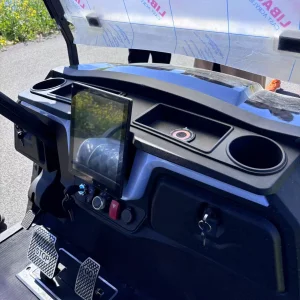
Features centralized vehicle control modules with integrated CAN-bus networks, enabling real-time remote diagnostics, geo-fencing speed limiters, and smart preventative maintenance scheduling.
BMS Engineering Note: Every Sarr Golf customized lithium pack is managed by an advanced BMS featuring comprehensive temperature sensors, cell balancing algorithms, over-current cutoff relays, and short-circuit protection circuits.
Get professional, detailed answers to critical engineering, purchasing, and regulatory inquiries.
Explore specialized industrial, agricultural, and urban transport options designed to deliver reliable performance in heavy-duty cycles.

 Sarr Golf