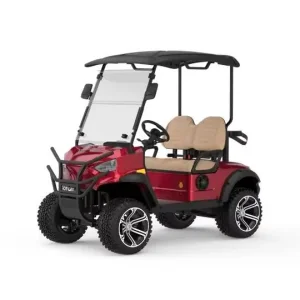
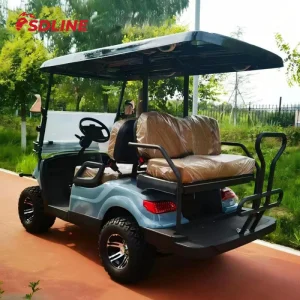
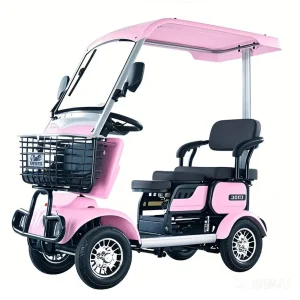
Explore our premium grade off-road, solar-integrated, and lithium-powered electric utility configurations designed for heavy commercial deployment.
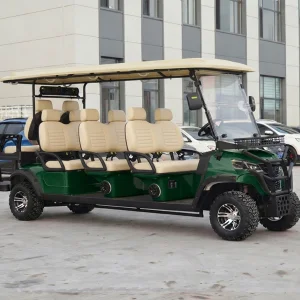
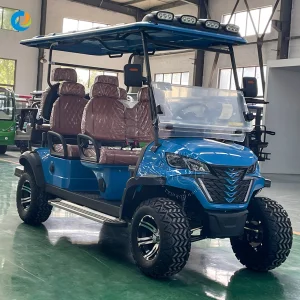
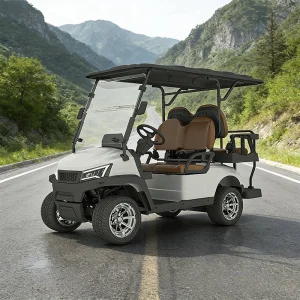
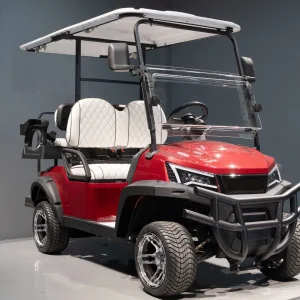
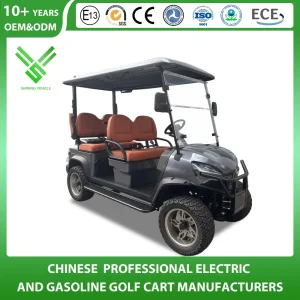
The global transition to net-zero logistics and localized green transit has driven an exponential shift in the sourcing of utility fleets. Electric Utility Vehicles (EUVs), electric golf carts, and custom utility trucks are no longer just campus transport tools; they have evolved into smart, zero-emission logistics, inspection, security patrol, and sightseeing solutions.
Establishing operational excellence in this field demands a profound understanding of battery chemistries, CAN-bus integration, structural homologation, and low-latency motor control systems. For procurement directors across municipal sectors, tourism, and multi-national logistics enterprises, identifying a high-tier factory is critical to long-term CAPEX reduction.
A global leader in electric mobility technologies, Sarr Golf has been designing, engineering, and manufacturing robust transport solutions since 2012.
HQ: Hangzhou, China
Industrial Footprint: 18,000 m² Advanced Assembly Lines
OEM/ODM Capacity: Complete structural customization, customizable chassis, and proprietary BMS design.
China has established itself as the global hub for EV supply chain optimization, manufacturing, and development. Here is an overview of why Chinese factories represent the ideal choice for international buyers.
From primary lithium extraction to advanced motor winding, battery cells, and CNC chassis fabrication, Chinese ecosystems contain the entire value chain. This localized vertical integration lowers component shipping costs, eliminates key logistical bottlenecks, and accelerates research and development cycles.
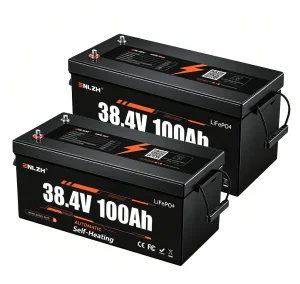
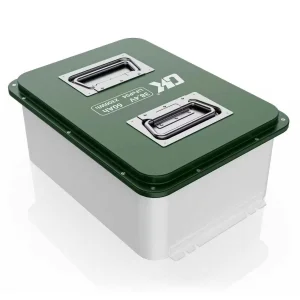
Chinese factories are global leaders in LFP (Lithium Iron Phosphate, LiFePO4) production. This battery chemistry is ideal for industrial platforms due to its extended lifecycle (up to 6,000 cycles at 80% DoD), safety profile, high thermal stability, and elimination of cobalt and nickel dependencies.
Whether you require a bespoke 4WD UTV layout with custom dynamic payload boxes, special security system mount points, or customized branding and paint schemes, Chinese factories like Sarr Golf possess the flexible CAD/CAM engineering processes to execute custom runs at a fraction of the cost of Western counterparts.
The electric utility vehicle market is experiencing rapid technological evolution, driven by battery tech advances, smart sensor integration, and a focus on renewable energy sourcing.
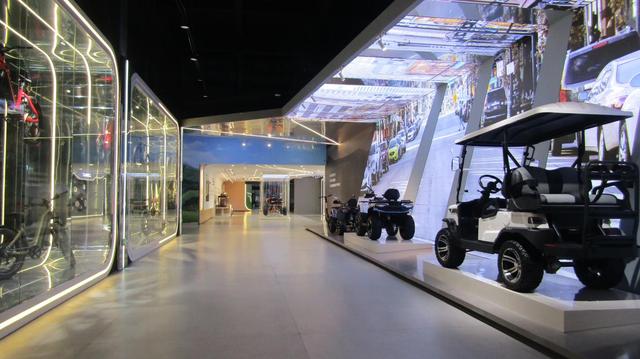
Modern commercial fleet managers are no longer looking for standard mechanical golf carts. The modern industrial park requires networked transportation systems. We are currently tracking three major technological shifts:
Electric utility vehicles are versatile tools across multiple commercial sectors. Here is how our vehicles perform in specific, high-demand operational environments.
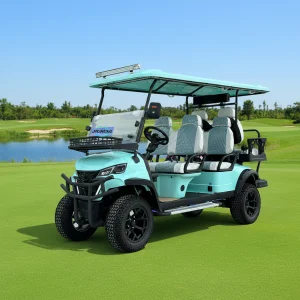
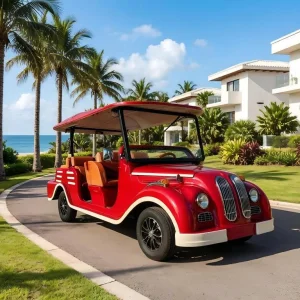
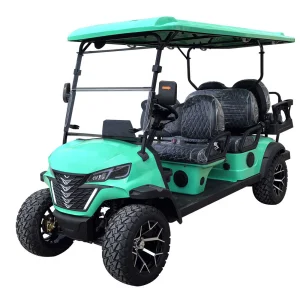
Resorts demand near-silent operations to maintain guest comfort. Our high-capacity 6-seater and 8-seater electric carts offer smooth, quiet transport across beaches, golf greens, and eco-parks. Features like solar roofs reduce grid charging dependencies, aligning with zero-emissions hospitality mandates.
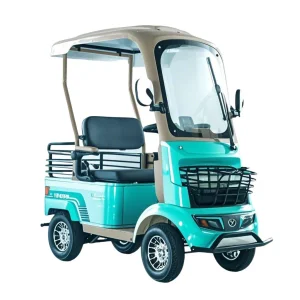
For heavy industrial parks, high-capacity utility trucks are required. Our heavy-duty UTV models feature a high load capacity, heavy cargo beds, and low-end torque profiles designed for transporting tools, bulk agricultural items, and heavy materials across uneven terrains.
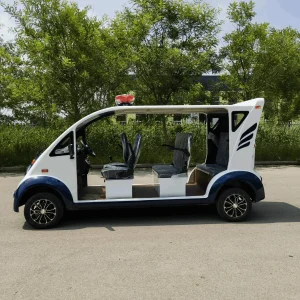
Security teams require highly visible patrol vehicles. Our electric autonomous golf carts with integrated security flashers, robust enclosures, and extended battery systems ensure security teams can complete full shifts without charging interruptions.
A data-backed analysis for procurement directors evaluating the lifetime technical and financial performance of various electric utility configurations.
| Performance Indicator | Lithium LFP (LiFePO4) Platform | Traditional Lead-Acid Setup | Gasoline / Petrol Utility Vehicle |
|---|---|---|---|
| Usable Battery Lifespan | 4000 to 6000 cycles (@80% DoD) | 500 to 1200 cycles (@50% DoD) | N/A (Engine overhaul at ~150k km) |
| Weight to Energy Ratio | High (Up to 140 Wh/kg) | Low (~35 Wh/kg) | High (Based on energy density of fuel) |
| Maintenance & Service Overhead | Extremely Low (BMS managed, zero water addition) | High (Requires water top-ups, rust mitigation) | Very High (Oil, filters, belt replacements) |
| Charging Efficiency | Up to 98% efficiency | Approx 75% to 80% (Energy loss via heat) | N/A |
| Operating Temperature Tolerance | -20°C to 60°C (with self-heating tech) | 0°C to 40°C (drastic power drops in cold) | Wide operating range (needs cold-start oil) |
| Carbon Offset Alignment | Excellent (True zero tailpipe emissions) | Good (Zero emissions, but disposal impacts) | Poor (High direct carbon footprint) |
Our 18,000 square meter factory in Hangzhou operates according to global quality management systems, utilizing precision robotics, strict quality control procedures, and comprehensive vehicle dyno testing lines.
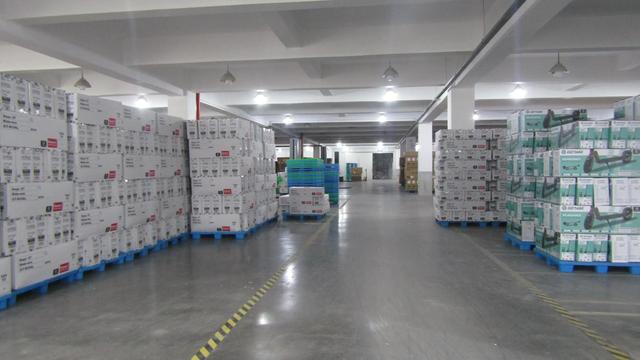
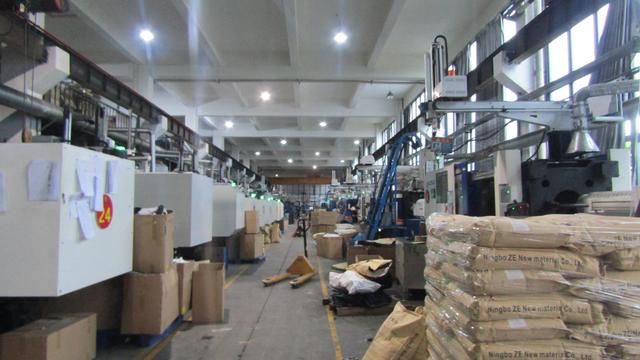
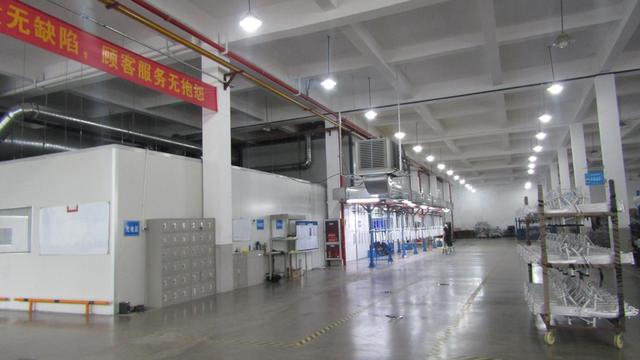
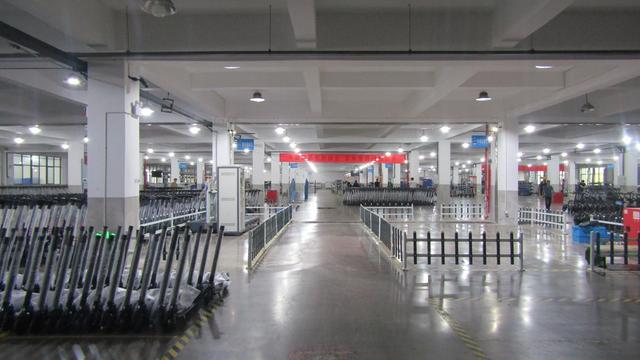
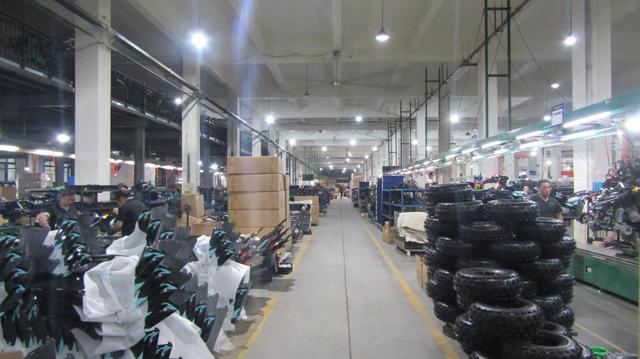
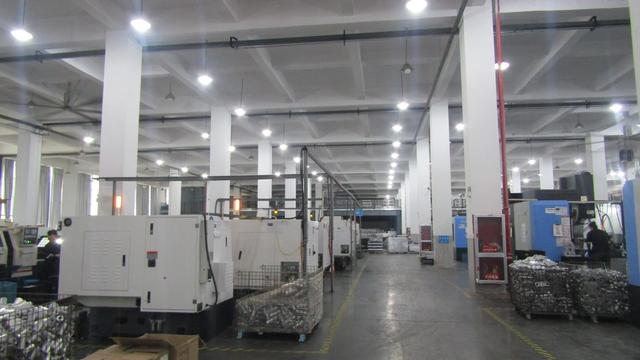
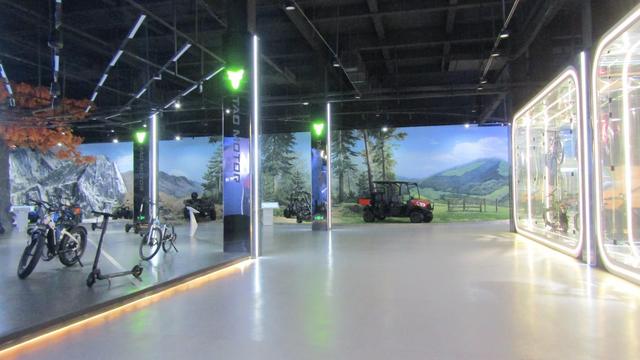
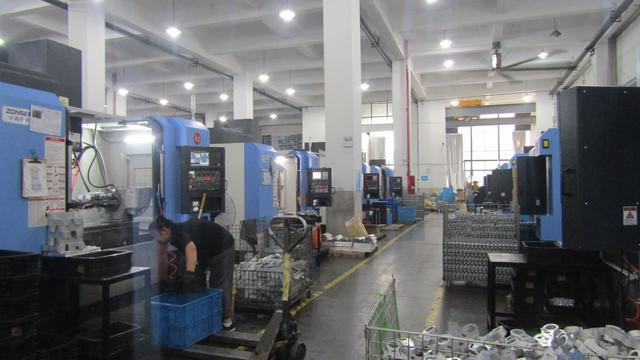
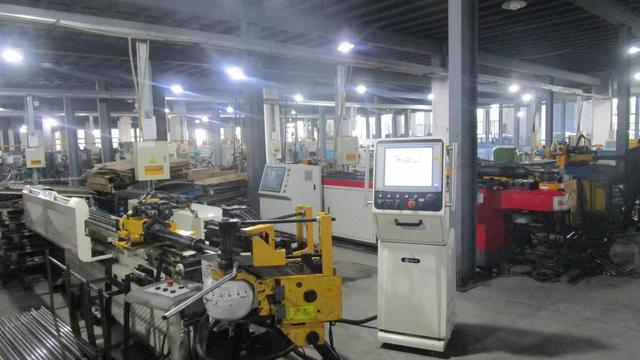
A professional framework for operations directors and fleet procurement managers auditing potential manufacturing partners.
Verify if the factory holds EEC (European Economic Community) homologation or DOT (Department of Transportation) compliance certifications. These are critical for legal operations on public or municipal roads.
Confirm if the factory utilizes a customized Battery Management System (BMS) with over-current protection, thermal controls, active cell balancing, and CAN-bus telemetry capabilities.
For vehicles operating in coastal resorts, muddy agricultural sites, or rainy municipal areas, ensure the motors and controllers carry at least IP65 to IP67 ingress protection ratings.
Expert clarifications regarding battery integration, operational ranges, maintenance costs, and custom OEM processes.
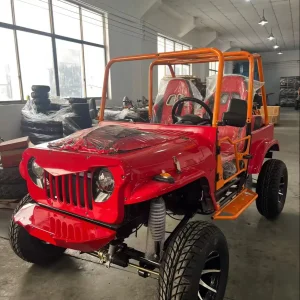
Explore our specialized vehicles, including advanced patrol carts, customizable luxury models, and heavy-duty electric utility buggies.
 Sarr Golf