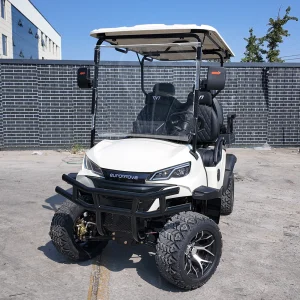
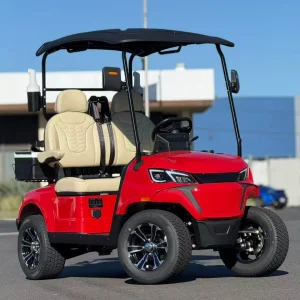
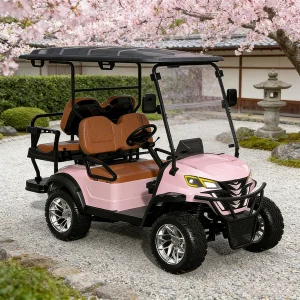
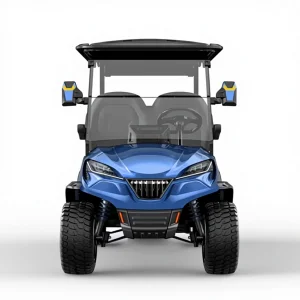
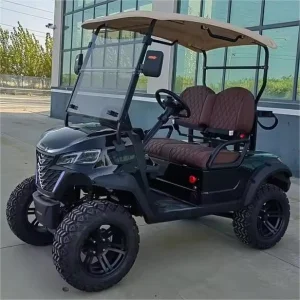
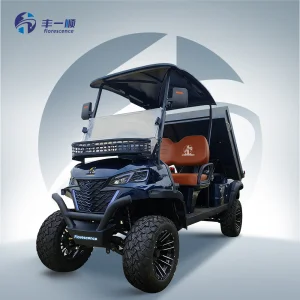
Campus Golf Cart Factories & Supplier for the Osaka Market

Pioneering Zero-Emission Campus Logistics and Advanced Smart Mobility Solutions Designed for the Decarbonization Blueprint of the Kansai Region.

1. The Osaka Campus & Resort Landscape: Market Analysis & Mobility Needs

Osaka, the dynamic heart of the Kansai region, is driving a massive transition toward carbon neutrality and smart-city urban planning. Under the Japanese Cabinet Office's *Society 5.0* initiative and Osaka's aggressive *Green Transformation (GX)* policies, the regional demand for reliable, zero-emission transportation has reached unprecedented heights. Educational complexes like Osaka University (Suita and Toyonaka campuses), sprawling resort infrastructures along the Osaka Bay area, and municipal environments such as Osaka Castle Park present a unique set of micro-mobility challenges.

These venues feature a combination of dense pedestrian traffic, historic topography, steep grades, and strict regulations governing low-speed vehicles (LSVs). Traditional combustion vehicles are increasingly restricted due to environmental impact and noise pollution. Consequently, institutions and corporate facilities are pivoting to highly customized, lithium-ion powered electric golf carts. The necessity is clear: safety, zero emissions, and high-efficiency passenger throughput.

Furthermore, the upcoming Expo 2025 in Osaka, Kansai, has catalyzed the demand for electric shuttles and logistics carts. The region acts as a testing ground for next-generation transportation systems, emphasizing the need for smart, durable utility buggies that can seamlessly integrate with modern, digital municipal frameworks.

18,000㎡ Production Area
10+ Years Industry Experience
100% Customization Options
Zero Carbon Emissions

2. Technological Roadmap: Next-Generation Electric Cart Engineering

To fulfill the technical standards of the Japanese market, our manufacturing lines integrate advanced engineering architectures. The design protocol focuses on maximizing operational life cycles, optimizing charging turnarounds, and delivering robust safety parameters.

LiFePO4 Lithium Integration

Utilizing high-density Lithium Iron Phosphate cells paired with smart BMS for thermal runaway prevention, extending lifespan to over 3000 charge cycles.

CAN-Bus Connectivity & IoT

Real-time vehicle telemetry tracking, geo-fencing speed restrictions, battery status alerts, and remote maintenance diagnostics.

Regenerative Braking Systems

Energy capture during downhill runs that feeds power back to the battery pack, optimizing mechanical brake lifespan and range.

Technical Highlights:

  • High-Efficiency AC Drive Motors: Rated at 4kW to 5kW, these motors generate high start torque suitable for navigating steep inclines found at resort zones and campuses without overheating.
  • Structural Engineering: Hot-dip galvanized steel frames or rustproof aluminum alloy chassis provide high resistance against Osaka's humid marine climate, particularly in seaside resort developments.
  • Independent Suspension Systems: Standard MacPherson front struts coupled with trailing arm rear suspensions ensure passenger comfort, even over uneven stone paths in traditional park zones.

3. Macro Industry Solutions: Addressing Osaka's Diverse Sectors

Providing a generic vehicle is insufficient. We design and deliver comprehensive fleet systems tailored to specific vertical sectors in Osaka:

  • Higher Education & University Hubs: Large campuses, such as Osaka University, require structured, silent transit solutions that prioritize pedestrian safety. Integrated speed restrictors (capping speeds at 15–20 km/h) and geo-fencing prevent unauthorized area access.
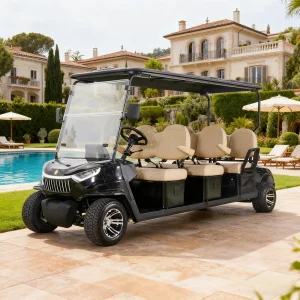
  • High-End Resort & Hospitality Operations: In Osaka Bay's premium hotels and leisure zones, customer experience is key. Custom multi-passenger open-air shuttles feature quiet electric powertrains, luxurious leather upholstery, and weatherproof covers for year-round reliability.
  • Emergency Response & Medical Transports: Large industrial complexes, ports, and sports grounds require rapid first-aid response systems. Custom units configured with built-in stretchers, medical storage, and sirens ensure immediate emergency transport.
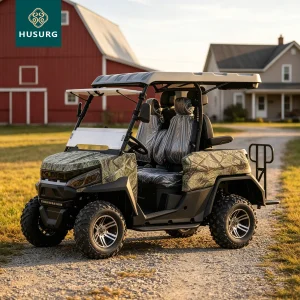
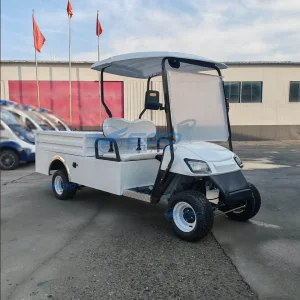
  • Industrial Parks & Port Logistics: Heavy duty, low-speed flatbed electric carts support light-freight transport across manufacturing sites, logistics hubs, and Sakai-Senboku Port, reducing warehouse-level carbon footprints.

4. Localization & Compliance: Aligning with Japanese Vehicle Regulations

Japan operates under a rigorous regulatory structure for micro-mobility. Adapting imports to local laws is crucial for operational legality. Our engineering and compliance team works closely with local distributors to verify vehicle classifications.

Under the Japanese Road Vehicle Act, low-speed electric vehicles operating on public roads must be classified under specific license categories (e.g., Light Vehicles or Special Small Motorized Vehicles). We adjust configuration parameters—such as installing side-view mirrors, handbrakes with mechanical locks, horns, turn signals, and license plate brackets—to meet the requirements of the local Kanto or Kansai transport bureaus.

Our support network ensures that spare parts, replacement battery modules, and mechanical components are warehoused nearby, minimizing downtime. Our localization guarantee means you receive comprehensive technical dossiers, schematic drawings, and electrical diagrams to streamline any local registration processes.

5. China Factory 4.0: Supply Chain Resilience & Cost Advantages

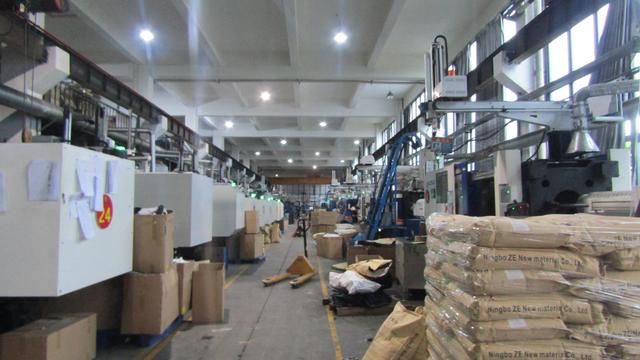
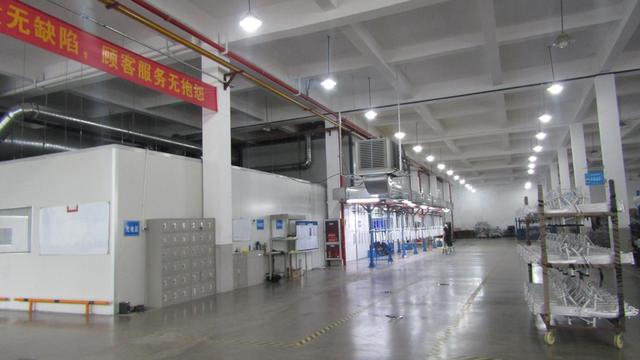
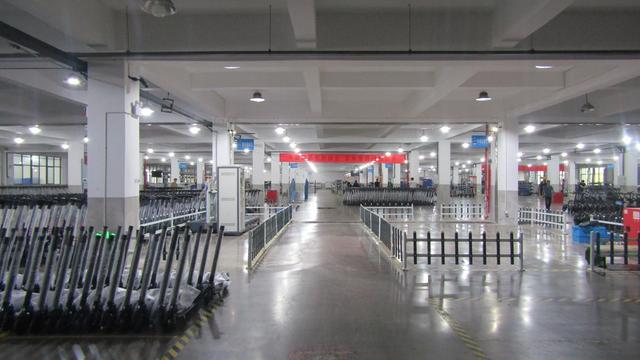
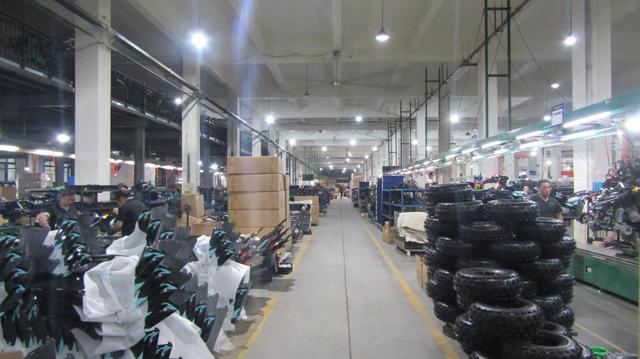
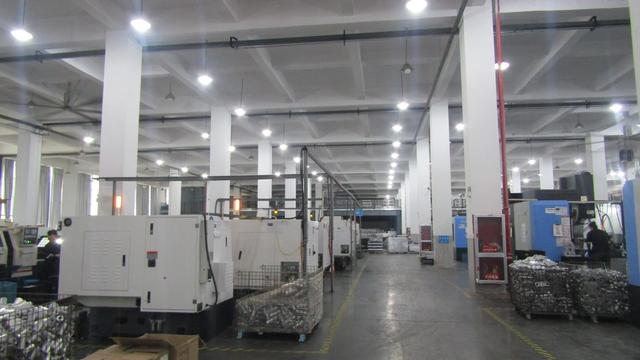
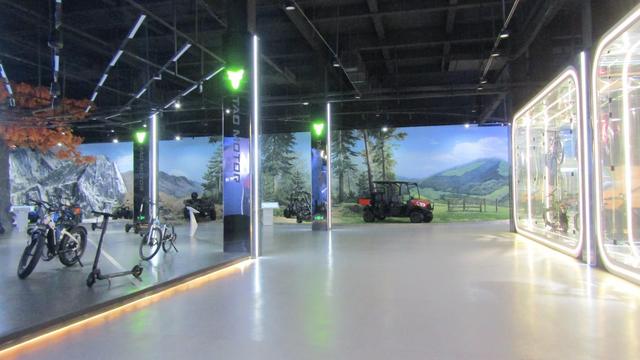
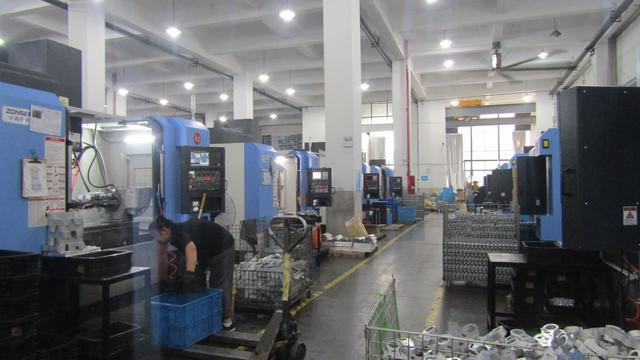
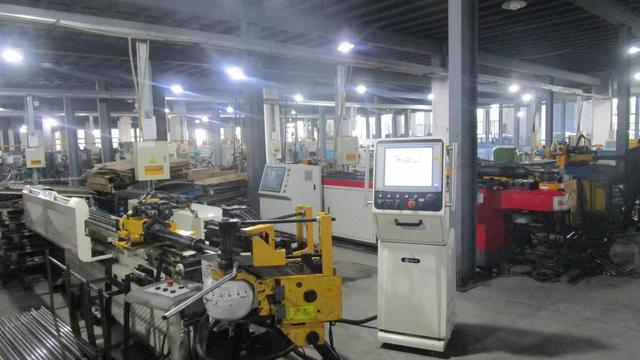
Our manufacturing operations are based in Hangzhou, China, under the flag of Hangzhou Sarr Golf Co., Ltd. (established in 2012). Operating a modernized 18,000-square-meter facility with over 180 skilled technicians and engineers, we combine automated robotic welding, electrostatic powder-coating lines, and strict quality control processes.
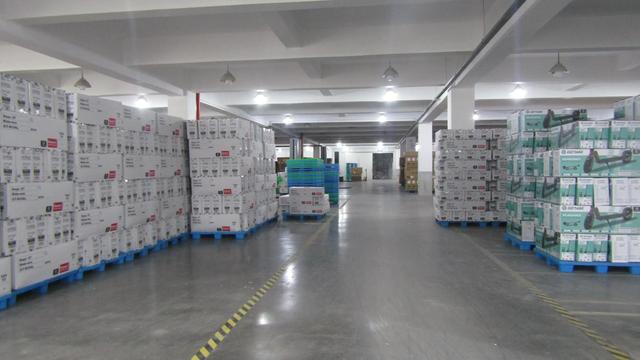
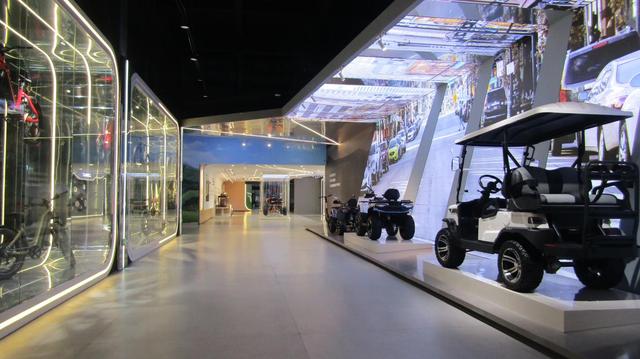
Our factory utilizes advanced technology to manage supply chain integration, from raw steel sheet cutting to finished paint coatings. This infrastructure yields significant benefits for global buyers:

  • Scalable Production: Our production line has a capacity of over 1,000 vehicles per month, ensuring rapid fulfillment of large institutional orders.
  • Quality Management System: The facility operates under ISO 9001 certifications. Every chassis undergoes stress tests, and every electric drivetrain is performance-certified on dedicated test tracks.
  • OEM/ODM Capabilities: We offer custom seating, storage, tire treads, and battery setups to match the specific operational requirements of Japanese clients.

6. Strategic Sourcing: TCO Analysis for Fleet Procurement Managers

Procurement decisions depend on Total Cost of Ownership (TCO). Transitioning to electric fleets requires assessing upfront costs alongside long-term operational savings:

  • Energy Efficiency: High-efficiency AC drivetrains consume less power per mile than traditional lead-acid carts, reducing monthly electricity expenses.
  • Minimal Maintenance: Direct-drive motors and maintenance-free lithium battery cells eliminate spark plug replacements, air filter cleanings, and frequent battery watering.
  • Retention of Value: Galvanized, rustproof chassis and modular controllers help maintain vehicle resale value and operational utility over a long lifespan.
Technical Support & FAQ

Frequently Asked Questions

Q1: Can these electric golf carts run legally on public roads in Osaka, Japan?
Yes, but registration is required under local Japanese vehicle categories. For road use, the carts must be equipped with essential safety parts—such as headlights, brake lights, rear-view mirrors, turn signals, and horn systems. They can then be registered through local transport authorities as light vehicles or low-speed motorized vehicles. We customize these setups directly at our factory to align with Japanese regulations.
Q2: What is the average lead time for shipping to the Port of Osaka?
Typically, our production cycle requires 20 to 30 days depending on the customization requested. Standard sea transport from the Shanghai or Ningbo ports to the Port of Osaka takes approximately 3 to 5 days, resulting in a delivery window of 4 to 6 weeks.
Q3: How does the Lithium-ion battery system compare to traditional lead-acid batteries?
Our Lithium Iron Phosphate (LiFePO4) systems provide an operational lifespan of over 3,000 cycles, require no daily water maintenance, and charge in approximately 3 to 4 hours. They also reduce the vehicle's weight by approximately 150 kg, improving power efficiency on hills and sloped paths.
Q4: Are OEM/ODM custom branding and custom accessories available?
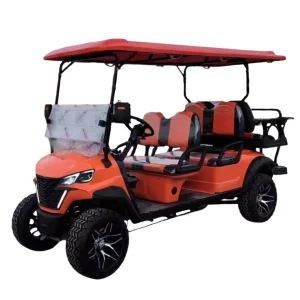
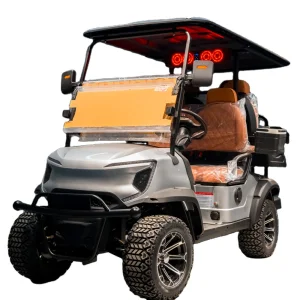
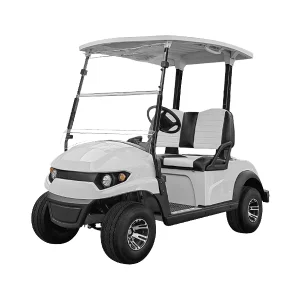
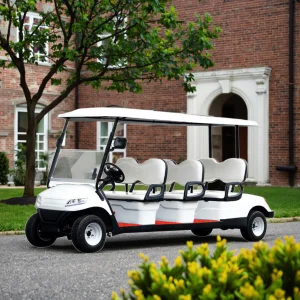
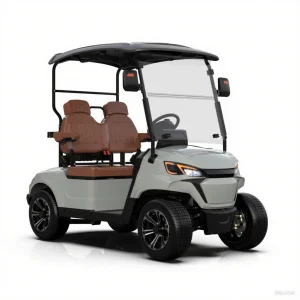
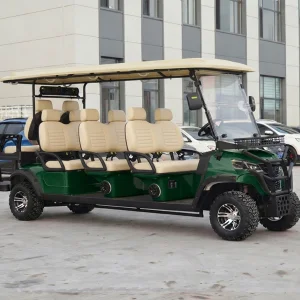
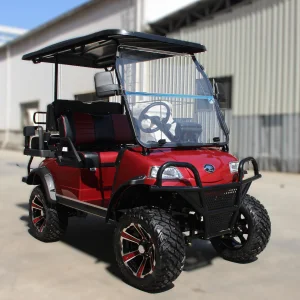
Yes. We offer fully customizable solutions, including corporate logos, unique exterior paint colors, custom seating counts (2-seater, 4-seater, 6-seater, 8-seater), all-terrain tires, enclosed weather canvases, and emergency medical kits.
Q5: How do we manage replacement parts and technical warranty claims in Osaka?
We provide a comprehensive warranty covering critical components (motor, controller, chassis, and battery) for 1 to 2 years. Replacement parts are shipped via air express to minimize downtime, and we provide detailed technical wiring schematics and video guides to assist your local maintenance team.