Engineered for extreme performance, energy resilience, and commercial-grade utility
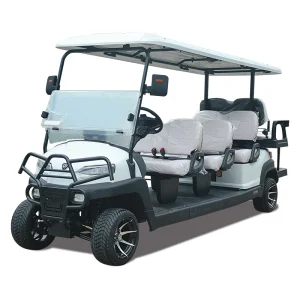
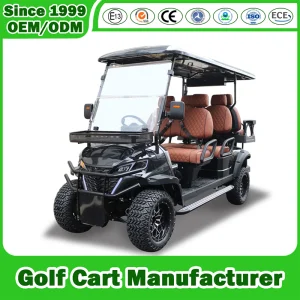
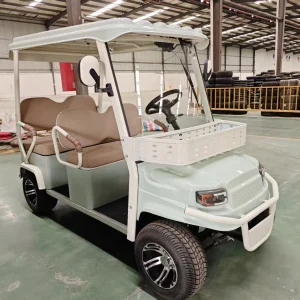
The global transition to sustainable mobility has moved beyond passenger highway cars into the critical sector of light commercial utilities, low-speed electric vehicles (LSEVs), and commercial shuttles. Often search-categorized as solar powered scooters or solar golf utility vehicles, these platforms represent a massive paradigm shift in urban, tourist, and industrial fleet logistics.
Historically, low-speed fleet options relied on lead-acid batteries and grid-dependent recharging schemes, which subjected fleet managers to higher down-times, infrastructure constraints, and escalating electrical grid expenditures. Integrating high-performance photovoltaic (PV) modules directly onto the roof systems of utility vehicles transforms the mobility equation.
Today's solar integration acts as a continuous energy harvester. By integrating highly efficient monocrystalline solar panels with state-of-the-art Maximum Power Point Tracking (MPPT) charge controllers, vehicles generate passive energy throughout daylight hours. This continuous trickle-charging mechanism significantly decreases deep discharge cycles, which in turn prolongs overall lithium battery lifespans and increases the operational range by up to 25-35% daily, depending on solar irradiance.
Addressing Total Cost of Ownership (TCO) and ESG Compliance for Modern Multi-Passenger Fleets
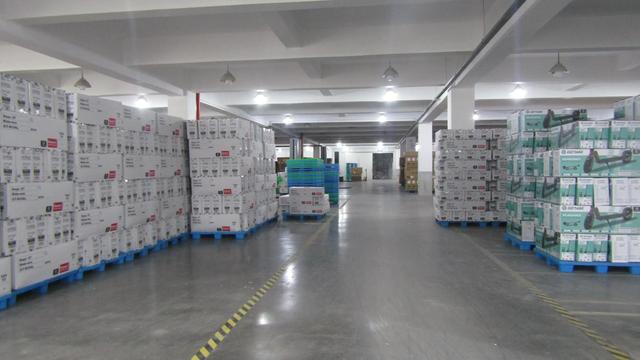
Procurement departments demand a significant return on asset investment. By substituting grid-dependent recharging routines with hybrid solar charging systems, operational electricity costs drop by thousands of dollars per vehicle fleet annually. Furthermore, maintenance costs drop sharply as advanced lithium battery lifecycles replace traditional lead-acid packages.
Conventional electric micro-utility vehicles suffer from range anxiety and lengthy off-duty charge intervals. Integrated monocrystalline PV systems provide constant solar harvesting, meaning fleets run longer shifts at airports, luxury resorts, and secure gated developments, dramatically reducing vehicle downtime during operations.
Enterprise clients demand vehicles engineered to withstand rigorous environmental stressors. From salt-spray protection on coastal golf resorts to heavy-duty suspension demands for off-road community patrol, buyers require vehicles possessing CE certifications and adhering to ISO manufacturing guidelines.
"High-efficiency solar integrations must be coupled with superior battery chemistry. The market is aggressively moving towards Lithium Iron Phosphate (LiFePO4) systems due to their superior thermal stability, safety properties, and massive lifecycle capacity (often exceeding 3000-4000 charge cycles compared to the meager 500 cycles of lead-acid counterparts)."
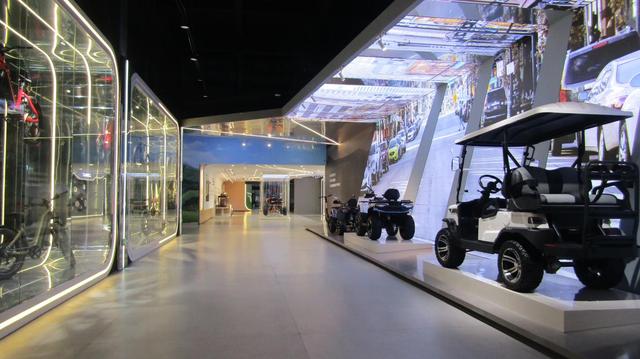
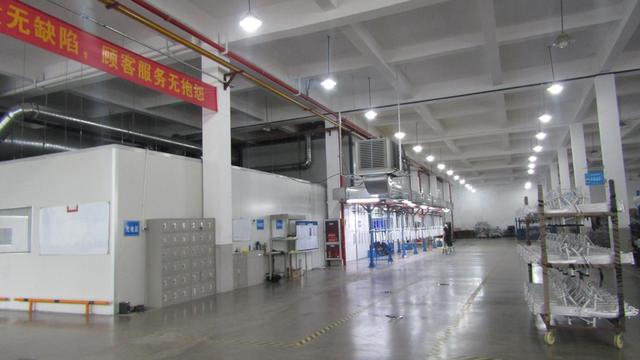
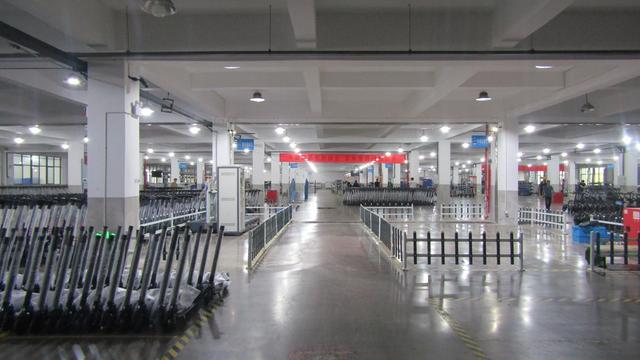
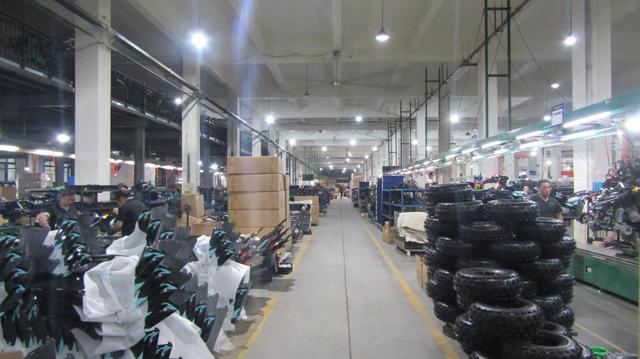
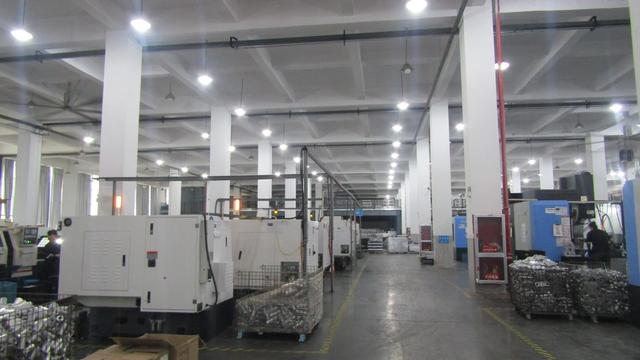
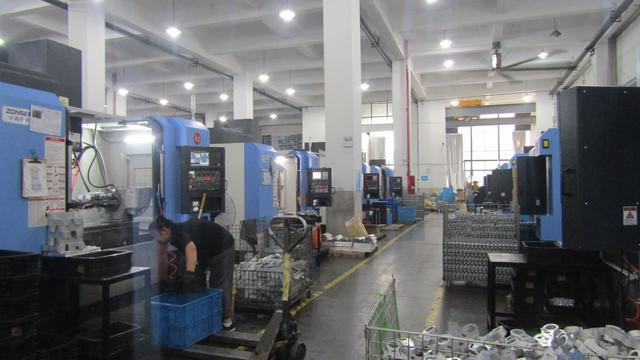
Under the vision of modern intelligent manufacturing, Hangzhou Sarr Golf Co., Ltd. has implemented Factory 4.0 standards across its dedicated 18,000 square meter facility in Hangzhou, China. Operating in the heart of Zhejiang's world-renowned electric vehicle and clean energy technology clusters, Sarr Golf leverages immediate vertical supply chain access.
This geographic concentration allows for seamless component procurement, from high-grade structural steel and precision aluminum extrusions to smart electronic motor controllers and grade-A LiFePO4 battery cells. By maintaining control over the entire supply chain, Sarr Golf avoids the volatile component delays that plague manufacturers in other regions.
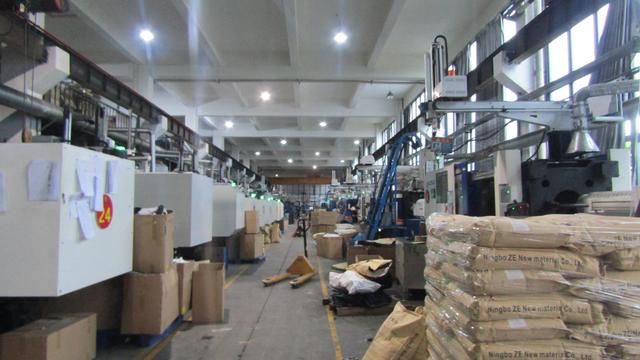
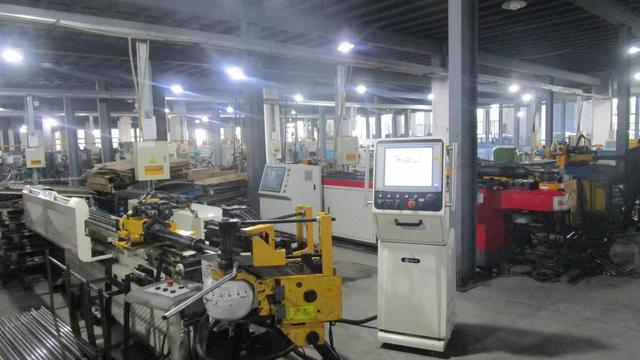
Within the facility, Sarr Golf relies on advanced production lines and automated welding processes. Frame assemblies undergo cathodic electrophoresis treatment to ensure superior anti-corrosion properties—essential for coastal resorts and tropical environments. Strict quality inspection gates evaluate motor output, brake efficiency, electrical insulation, and suspension geometry before any vehicle is approved for shipping.
The Engineering Behind Hangzhou Sarr Golf's High-Performance Off-Highway Fleets
To deliver true utility in commercial applications, a solar-powered vehicle must be more than a conventional electric golf cart with a photovoltaic panel bolted to the canopy. It requires an optimized power electronics architecture to maximize efficiency.
1. Premium Monocrystalline Silicon Panels: Unlike cheaper polycrystalline options, Sarr Golf integrates high-performance monocrystalline silicon solar cells directly into the vehicle's roof structure. These panels maintain a high conversion rate, capturing diffuse sunlight even during overcast or hazy weather.
2. Smart MPPT (Maximum Power Point Tracking) Regulators: Solar voltage varies based on sunlight angle, cloud cover, and temperature. Traditional charge controllers lose significant energy during these shifts. Sarr Golf vehicles utilize advanced MPPT controllers that actively track the optimal voltage curve, translating up to 98% of harvested solar energy into usable battery power.
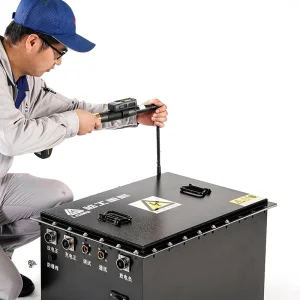
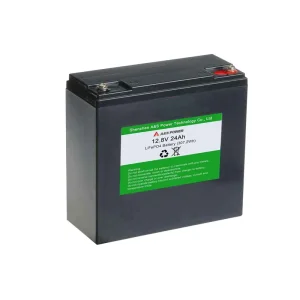
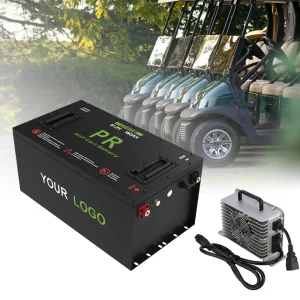
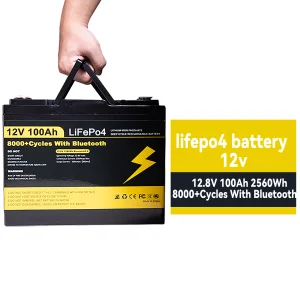
3. Advanced LiFePO4 Energy Storage Systems: Sarr Golf's custom battery packs (available in 36V, 48V, and 72V configurations with 100Ah, 105Ah, or 150Ah capacity) employ lithium iron phosphate chemistry. Compared to ternary lithium (NMC) batteries, LiFePO4 offers superior thermal stability, eliminating risks of thermal runaway. They also support fast charging, remain highly efficient across extreme temperatures (-20°C to 60°C), and support over 3,000 cycles with minimal capacity degradation.
Customized Configurations Tailored for Diverse Operational Infrastructures
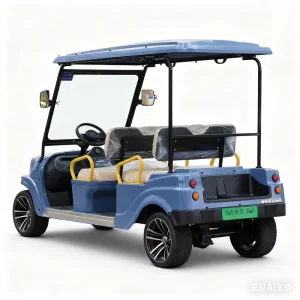
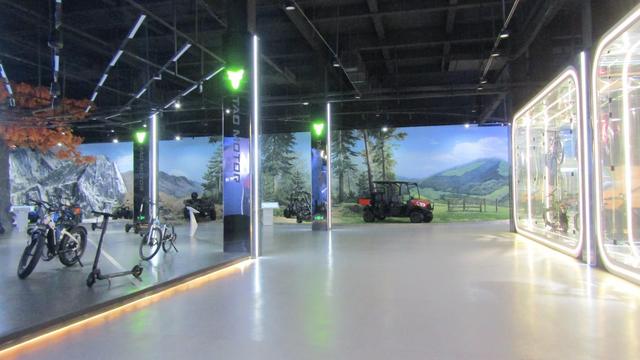
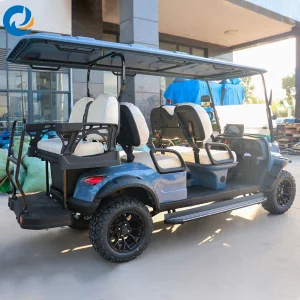
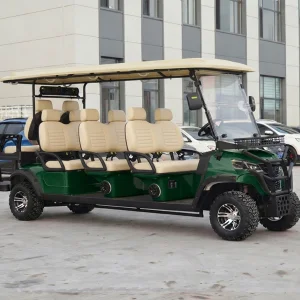
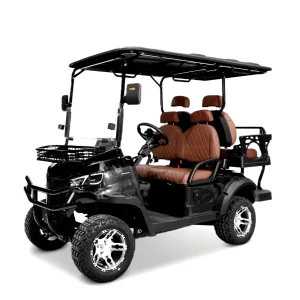
Luxury hotels and resorts rely on quiet, zero-emission passenger shuttles to preserve natural acoustics and clean air. Sarr Golf's customizable 8-seater shuttles transport guests silently, utilizing solar roofs to maintain continuous charge throughout long resort operating shifts.
Residential community managers and private estates require low-speed security patrol vehicles capable of stop-and-go operations. Narrow-body configurations with a short turning radius allow security officers to navigate tight pathways, residential streets, and park walkaways efficiently.
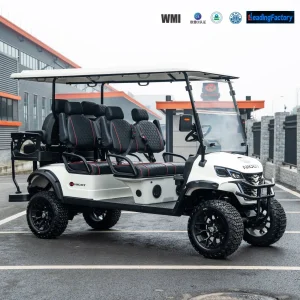
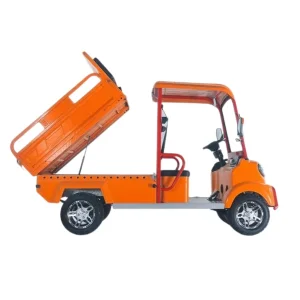
Large industrial complexes, manufacturing campuses, and universities require robust logistics support. Heavy-duty utility vehicles equipped with rear-facing seats or secure cargo boxes simplify transport of maintenance gear, luggage, and personnel without burning fossil fuels.
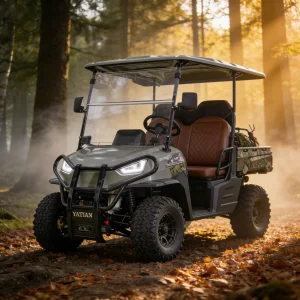
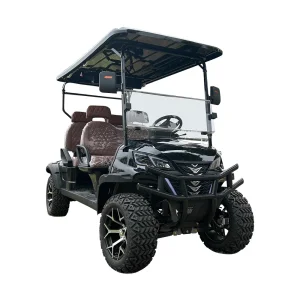
For forestry management, golf course maintenance, and hunting, vehicles must conquer rugged terrain. Sarr Golf's 4WD configurations feature high ground clearance, heavy-duty suspension systems, and deep-tread tires, allowing operations to continue across mud, gravel, and steep inclines.
Hangzhou Sarr Golf Co., Ltd. understands that every business case has unique demands. Some fleets require higher voltage systems for hilly areas, while others need specific cargo bed attachments or custom brand styling. Sarr Golf provides complete OEM and ODM support to accommodate these distinct requirements.
Sarr Golf works closely with international distributors to configure vehicle seating capacities, cargo layouts, battery capacities, and brand graphics. Whether building a heavy-duty municipal utility truck or a fleet of resort passenger buggies, Sarr Golf's engineering team provides detailed schematics and performance metrics, guaranteeing that the final vehicles match localized environmental and regulatory requirements.
Expert answers to the most common questions regarding solar integration and fleet optimization
Under optimal peak sun hours (approx. 4-5 hours of clear daylight), the high-efficiency monocrystalline solar panels can add between 15 to 25 kilometers (9.3 to 15.5 miles) of range per day to a typical 48V electric cart. The range extension acts as a continuous trickle charge, reducing grid reliance and preserving battery life.
LiFePO4 (Lithium Iron Phosphate) offers major structural advantages. It provides a lifespan of 3,000+ full charge/discharge cycles compared to roughly 500 cycles for lead-acid. LiFePO4 also features exceptional thermal stability, eliminating the risk of fire or thermal runaway, has a higher energy density, and is maintenance-free (requires no water replenishment or terminal scrubbing).
Yes. Sarr Golf provides comprehensive OEM/ODM engineering services. Global commercial clients can customize parameters including passenger capacity (2, 4, 6, 8, or more seats), motor power output (such as high-torque 5KW AC motors), paint finishes, tire tread patterns (turf, road, or off-road), specialized utility boxes, and customized logo integration.
Yes, our core models are manufactured according to strict international quality standards. The vehicles hold CE Certifications, allowing for legal import and deployment across EU member states. Sarr Golf also works with clients to meet localized vehicle compliance and registration requirements in North America and Australia.
For standard catalog models, production lead times average 20 to 30 days from order confirmation. Highly customized OEM/ODM projects requiring specialized engineering adjustments or structural changes may require 40 to 50 days, depending on supply chain configurations.
Industry-leading LiFePO4 conversions, smart drivetrains, and next-generation autonomous prototypes
 Sarr Golf