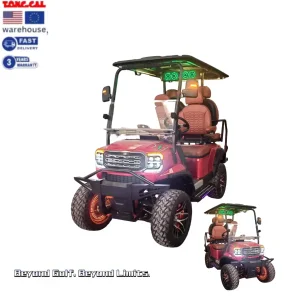
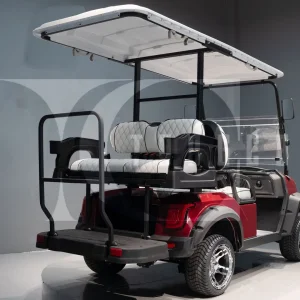
Engineered to excel within strict indoor facility regulations and rugged environments, our flagship electric utility vehicles deliver emissions-free power and unmatched reliability for Japanese logistics, smart campuses, and industrial districts.
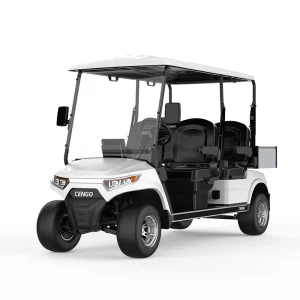
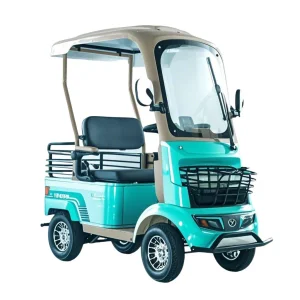
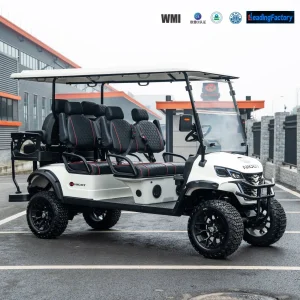
As Japan aggressively pursues its "Society 5.0" blueprint and strict carbon neutrality targets, the demand for emission-free light electric utility vehicles (LEVs) has grown exponentially. Standard combustion utility carts are rapidly being phased out from major industrial hubs in Tokyo, Nagoya, and Osaka. Modern Japanese logistics hubs, airport ground handling operations, and high-tech automotive campuses require durable, high-efficiency transport solutions that operate quietly and integrate seamlessly with digitized workflow systems.
Historically, Japan's domestic manufacturing landscape relied on heavy, localized equipment. However, the rise of mega-distribution warehouses, eco-sensitive hot spring resorts (Onsen complexes in Hokkaido and Hakone), and expansive smart agricultural parks has redefined fleet procurement. Organizations now seek versatile vehicles capable of carrying heavy payloads (300kg to 1000kg) while preserving delicate turf and conforming to strict indoor workspace air quality regulations.
Importing and operating light utility fleets in Japan demands rigorous compliance with the Ministry of Land, Infrastructure, Transport and Tourism (MLIT) standards. Carts targeted for public road access must satisfy specific safety regulations to secure green license plates (Class-1 motorized bicycle or micro-compact mobility status). This includes integrated rearview safety systems, hazard lights, electromagnetic parking braking, and structural impact integrity.
Furthermore, the electrical assemblies—particularly the high-capacity Lithium-ion battery packs and onboard intelligent chargers—must align with PSE (Product Safety Electrical Appliance & Material) and JIS (Japanese Industrial Standards) protocols. Hangzhou Sarr Golf collaborates closely with specialized Japanese logistics and engineering distributors to ensure every vehicle shipped undergoes meticulous pre-delivery checks, satisfying both regulatory compliance and localized operational safety expectations.
Through specialized engineering, we close the gap between massive manufacturing capacity and localized Japanese industrial requirements.
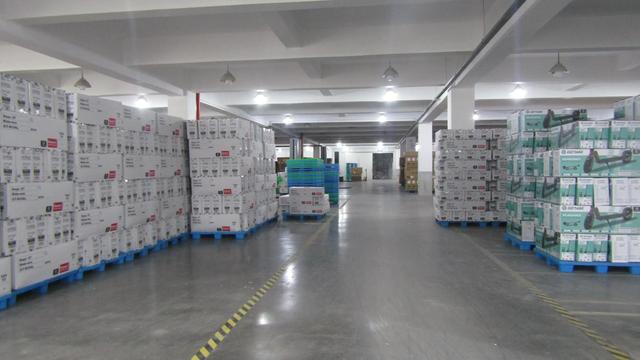
Hangzhou Sarr Golf Co., Ltd. is an industry-leading manufacturer specializing in electric golf carts, heavy-duty utility vehicles, and zero-emission commercial transport solutions. Established in 2012, our headquarters and modern production facilities in Hangzhou, China, span over 18,000 square meters. Guided by an elite team of 180+ professionals—including vehicle chassis engineers, battery management system (BMS) architects, and rigorous quality assurance specialists—we design and manufacture top-tier electric fleets for the global market.
Our core capability lies in technical customization (OEM/ODM). We build bespoke transport fleets designed to excel in challenging settings, featuring high-torque brushless motors (up to 5000W), customizable lithium battery chemistries (LiFePO4) with active thermal protection, heavy-duty aluminum or hot-dip galvanized steel frames, and state-of-the-art safety mechanisms like hydraulic front disc brakes and integrated radar backup sensors.
By leveraging our production hub in Hangzhou, we are strategically positioned near major maritime shipping corridors, including Ningbo and Shanghai ports. This geographic advantage allows us to deliver high-quality fleets to Japanese destinations (such as Tokyo, Yokohama, Nagoya, and Kobe) in under 7 to 10 days, securing an incredibly efficient, responsive supply chain for our Japanese buyers.
Every vehicle undergoes complex load bearing, gradeability, water tightness, and braking efficiency inspections before export. Explore our modern assembly yards and precision machine workshops.
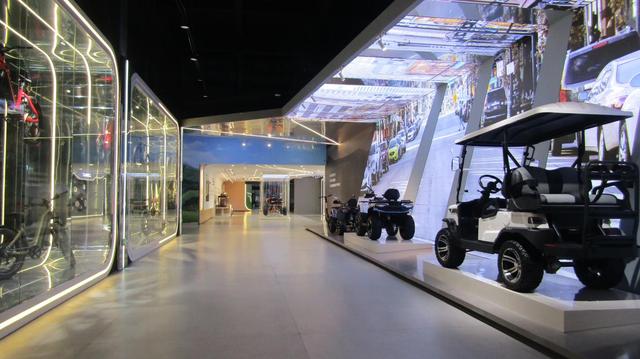


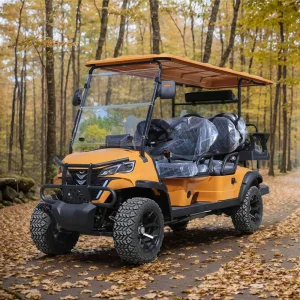
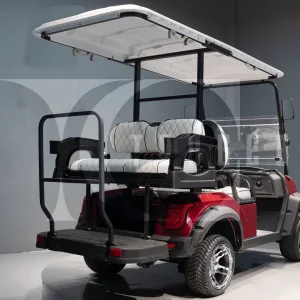
From high-torque motors built for steep mountain resort climbs to rust-resistant structures for coastal ports, explore our specialized vehicles designed for demanding applications.
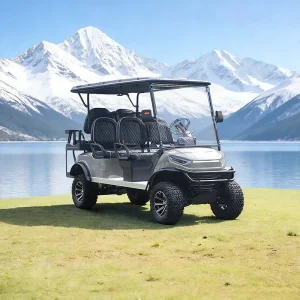
Sourcing fleets from our Hangzhou factory yields substantial advantages for Japanese commercial buyers compared to domestic procurement. With a comprehensive industrial supply chain, we control raw material sourcing and assembly costs while maintaining strict quality control. This synergy enables us to offer premium utility vehicles at competitive prices. Our proximity to the ports of Ningbo and Shanghai guarantees fast transit and flexible roll-on/roll-off shipping options directly into Tokyo Bay or Osaka Port.
We accommodate custom vehicle configurations designed to align with your business goals. Clients can select from robust, lightweight corrosion-resistant aluminum frames, customizable rear bed layouts (including hydraulic dump beds, secure enclosed cargo boxes, and stretcher mounts), tailored controller calibrations, and corporate branding colors. We also adapt tire packages to match your environment, offering non-marking indoor turf tires, smooth pavement treads, or aggressive off-road options.
Transitioning to Lithium Iron Phosphate (LiFePO4) chemistry delivers significant operational benefits over lead-acid cells. Our high-density lithium configurations provide a 10-year service life, maintenance-free operations, support fast opportunity charging, and reduce overall vehicle weight by up to 150 kg. Our smart BMS integrates with onboard controllers to protect cells from over-discharge, overheating, and short-circuit risks in tough environments.
Our custom configurations are engineered to serve diverse applications across Japan's leading commercial sectors.
Perfect for sprawling distribution hubs in the Greater Tokyo and Osaka bay zones. Features tight turning radiuses, quiet operation, and non-marking tires to keep indoor floors clean. Fitted with rear flatbeds or cargo lockers to transport goods across vast logistics complexes.
Engineered to handle the high demands of assembly plants in prefectures like Aichi and Shizuoka. Designed to pull tools, components, and personnel across multi-building campuses. Equipped with high-torque drivetrains to move payloads over indoor and outdoor transit lanes.
Suited for historical properties in Kyoto and resort complexes in Hokkaido. Zero-emissions powertrains run silently, preserving peaceful surroundings. Offers premium passenger seating with low step-in heights for comfortable guest transport.
Technical answers and compliance advice for Japanese supply chain directors, procurement managers, and operations leads.
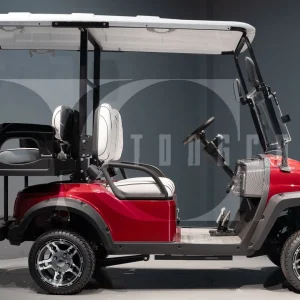
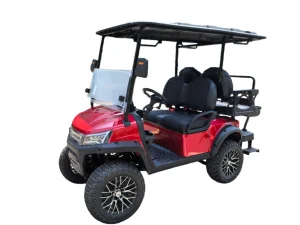
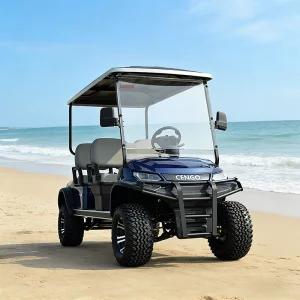
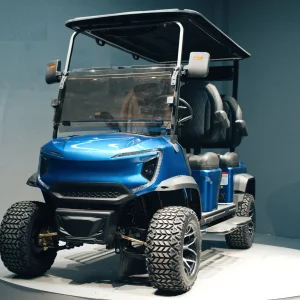
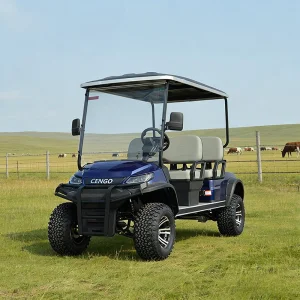
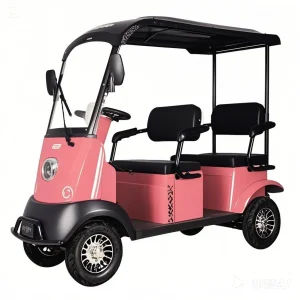
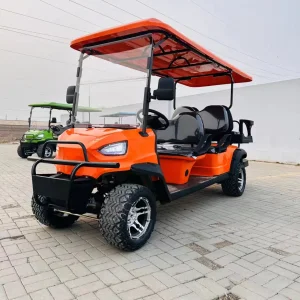
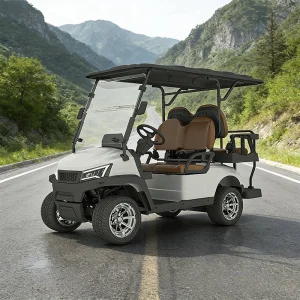
High-capacity vehicles engineered for cargo transport, off-road patrol, and multi-passenger transit across demanding industrial sites.
Partner with Hangzhou Sarr Golf Co., Ltd. for factory-direct customization, compliance-certified platforms, and logistics coordination to your Japanese operations.
Send Inquiry Now Sarr Golf