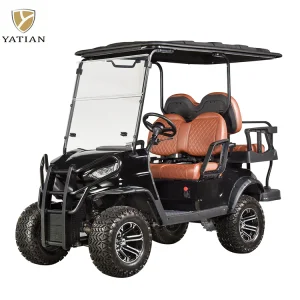
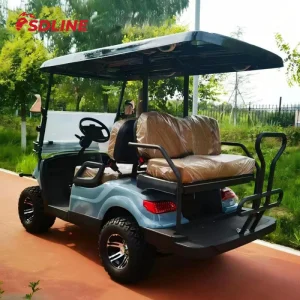
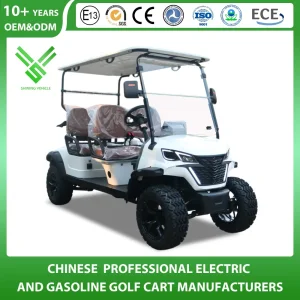
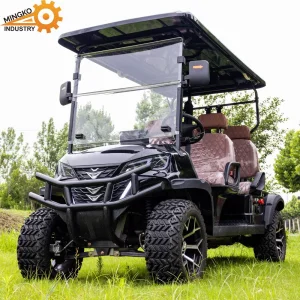
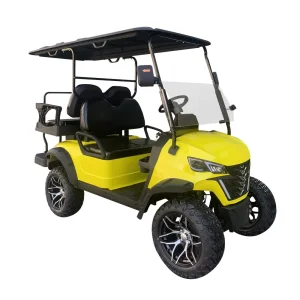
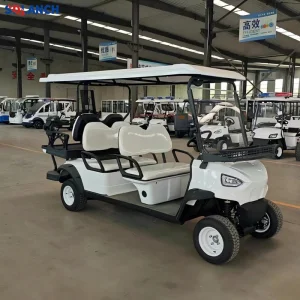
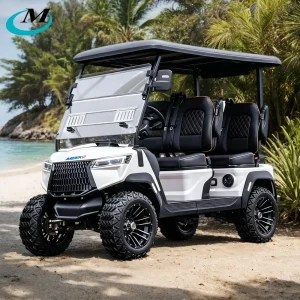
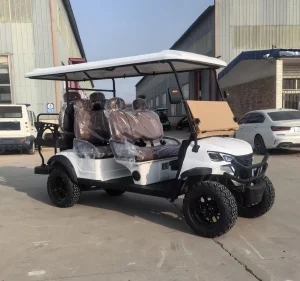
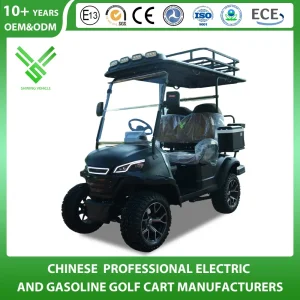
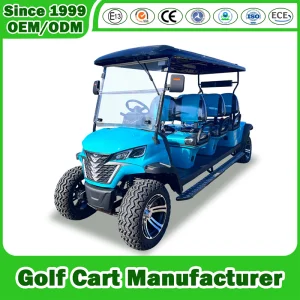
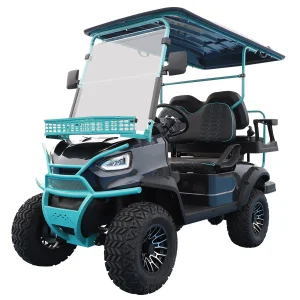
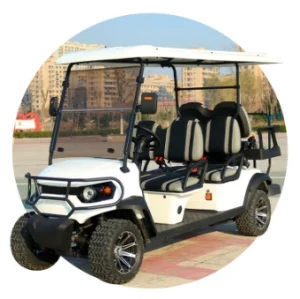
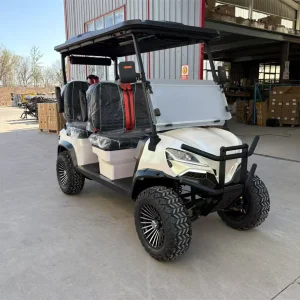
As Tokyo marches toward its "Society 5.0" vision, the demand for sustainable, compact, and efficient transportation has reached an all-time high. Street-legal golf carts, categorized under Japanese law as Low-Speed Vehicles (LSVs) or micro-mobility solutions, are no longer confined to the fairways. They are transforming Tokyo's urban landscape—from the narrow alleys of Yanaka to the futuristic waterfront of Odaiba.
In Tokyo, the "Kei-car" (light vehicle) culture has paved the way for acceptance of street-legal golf carts. However, industrial needs in areas like the Tokyo Bay Area and Ota City logistics hubs require carts that are not just "legal" but "industrial-grade." High-density residential zones in Minato-ku and Setagaya are increasingly adopting these vehicles for community security patrols and elderly mobility services.
The next decade of street-legal golf carts is defined by three pillars: Electrification, Connectivity, and Automation.
Transitioning from traditional lead-acid to High-Density Lithium-Ion (LiFePO4) systems. This provides Tokyo users with faster charging (compatible with 100V/200V Japanese outlets) and a life cycle exceeding 10 years.
Real-time fleet tracking and remote diagnostics. For industrial suppliers in Tokyo, this means predictive maintenance and optimized route planning via cloud-based AI algorithms.
Integration of LiDAR and ultrasonic sensors for Level 2 autonomous parking and "Follow-me" technology, ideal for Tokyo's resort and hospital campuses.
For global enterprises looking to supply the Tokyo market, the procurement strategy must balance cost-efficiency with high-spec reliability. As a leading manufacturer, we provide a streamlined roadmap for international B2B buyers:
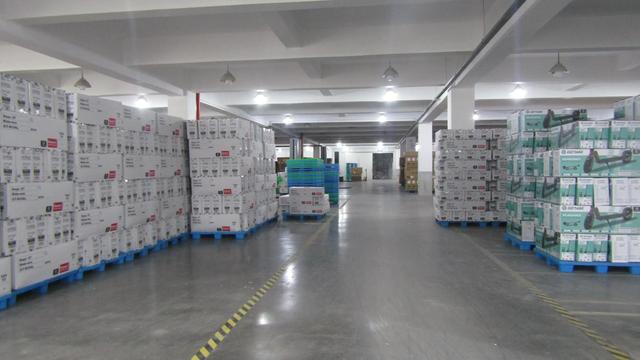
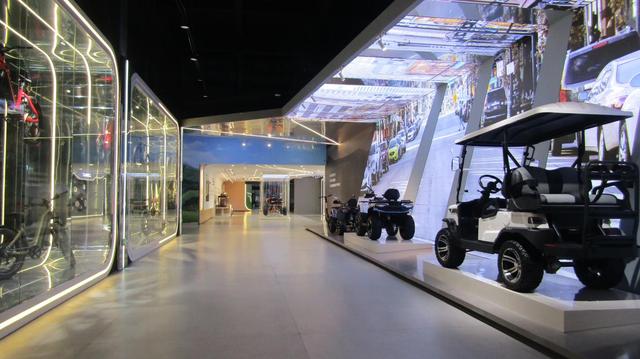
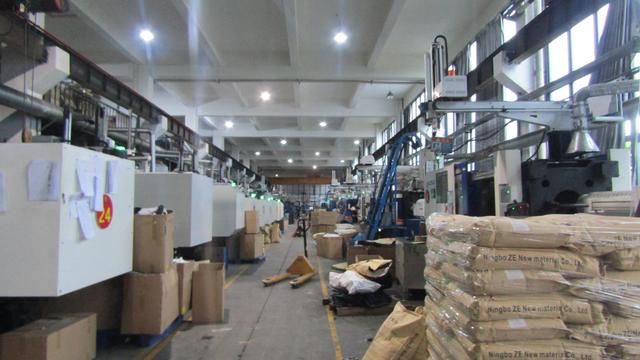
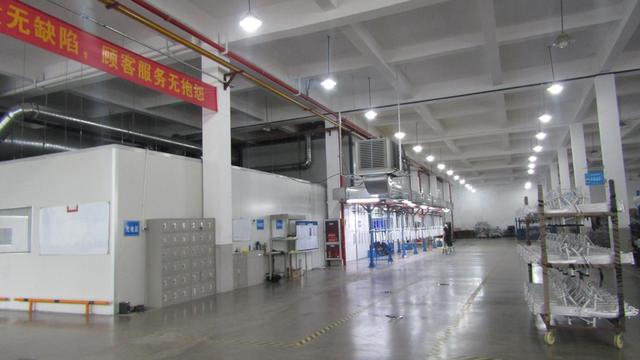
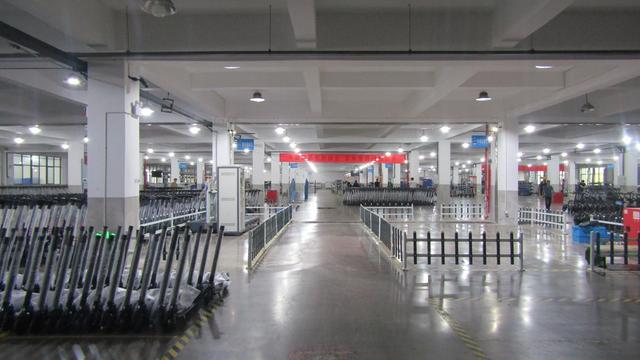
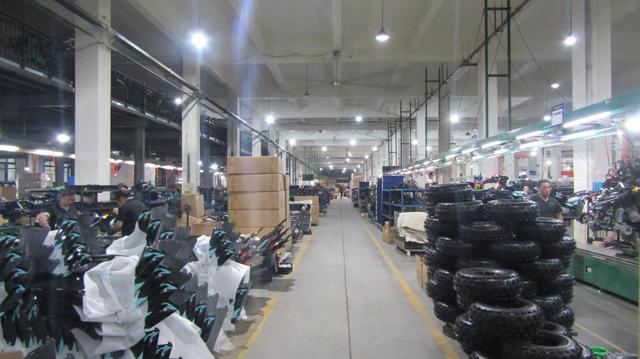
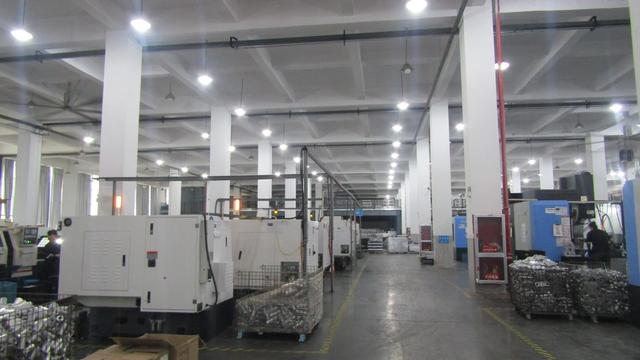
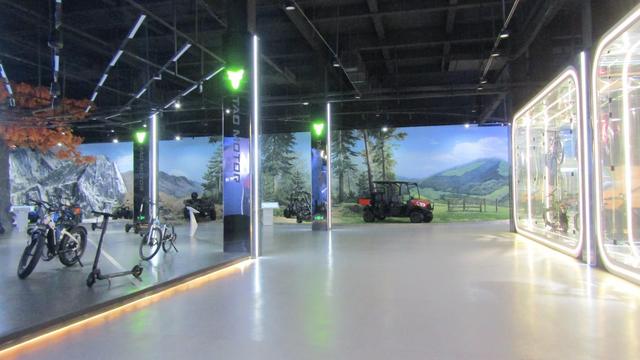
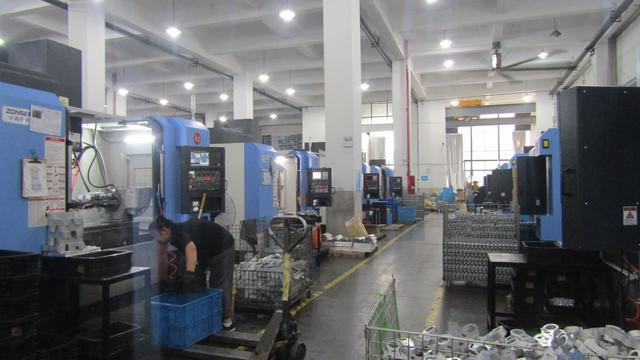
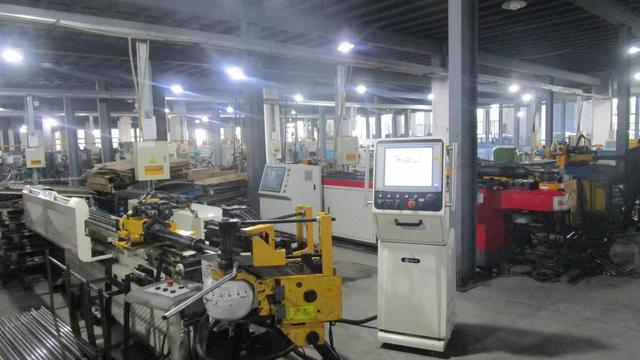
Hangzhou Sarr Golf Co., Ltd. is a professional manufacturer specializing in golf carts, utility vehicles, and commercial transport solutions for global markets. Established in 2012, the company is headquartered in Hangzhou, China, and operates a modern manufacturing facility covering 18,000 square meters with more than 180 employees, including experienced engineers, production technicians, and quality control specialists.
Focused on electric mobility technology, Sarr Golf designs and manufactures a wide range of transportation vehicles, including electric golf carts, utility carts, resort transportation vehicles, community mobility carts, sightseeing vehicles, campus transport solutions, and customized commercial transport vehicles. The company serves customers across golf courses, resorts, hotels, airports, industrial parks, residential communities, educational campuses, and recreational facilities.
Sarr Golf integrates advanced vehicle engineering, battery management systems, and efficient assembly processes to ensure reliable performance, energy efficiency, and long-term durability. Its manufacturing operations are supported by modern production lines, vehicle testing equipment, and strict quality management procedures. Every vehicle undergoes comprehensive inspection and performance testing before delivery.
The company offers flexible OEM and ODM services, enabling customers to customize vehicle configurations, seating capacities, battery systems, branding, colors, and application-specific features according to project requirements. With a commitment to continuous innovation, Sarr Golf invests in research and development to enhance vehicle safety, driving comfort, and operational efficiency.
Today, Hangzhou Sarr Golf Co., Ltd. exports its products to customers in North America, Europe, the Middle East, Southeast Asia, Oceania, and other international markets. Through dependable manufacturing capabilities, customer-focused service, and sustainable electric transportation solutions, Sarr Golf continues to support the growing demand for efficient and environmentally responsible mobility vehicles worldwide.
A1: In Tokyo, a street-legal cart must be registered as a light vehicle or a mini-car. This requires headlights, turn signals, mirrors, a horn, a license plate bracket, and a speed governor limiting the vehicle to 19 mph (approx. 30 km/h) for certain classifications.
A2: Yes, our carts can be configured with universal on-board chargers that support both 110V and 220V/200V systems, making them perfect for Japan's specific electrical grid.
A3: We partner with local distributors and service centers across Tokyo and Osaka to provide spare parts and technical support, ensuring your fleet remains operational 24/7.
A4: Typically, production takes 15-25 days, with shipping from our Hangzhou facility to Tokyo port taking approximately 5-7 days.
Consult with our SEO Growth Director and Technical Engineering Team for a customized solution.
Request a Quote & Technical Specs Sarr Golf